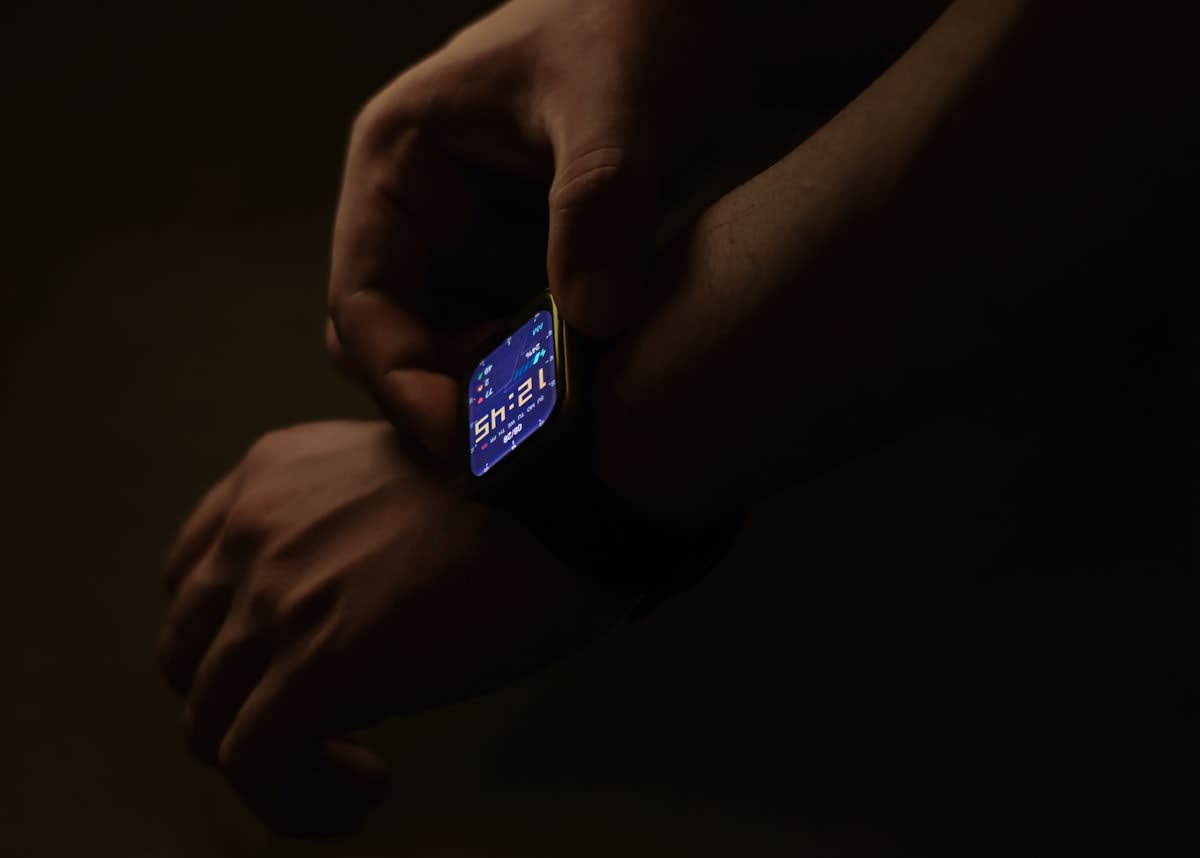
The 'no pain, no gain' mantra is dying a quiet, data-driven death. For decades, the gold standard of athletic excellence was simple: maximize intensity and tolerate the highest possible volume of suffering. If you weren't on the verge of collapse, you weren't working hard enough. But walk into any high-performance center from London to Tokyo today, and you will see a different priority. The obsession has shifted from the output of the workout to the state of the nervous system before the workout even begins. We are currently in the midst of a recovery arms race, where the competitive edge is no longer found in who can grind the hardest, but in who can recover the fastest.
At the center of this revolution is Heart Rate Variability (HRV). Unlike a resting heart rate, which is a blunt instrument, HRV measures the specific time variation between each heartbeat. It is the most reliable non-invasive window we have into the Autonomic Nervous System (ANS). When your HRV is high, your parasympathetic nervous system—the 'rest and digest' mode—is dominant, signaling that your body is primed for stress. When it plummets, the sympathetic nervous system—the 'fight or flight' response—has taken over, often before the athlete even feels fatigued. This delta is where the modern game is won.
The Biological Pivot: From Volume to Precision
Why now? The timing isn't accidental. The convergence of wearable sensor accuracy and a deeper understanding of systemic inflammation has made real-time biological monitoring possible. Twelve months ago, HRV was largely the domain of biohackers and niche endurance athletes. Today, it is a core KPI for the NBA, the English Premier League, and Olympic training camps. The shift represents a move toward 'precision loading.' Instead of following a rigid 12-week block of training, athletes now adjust their daily intensity based on their morning HRV reading. If the data shows a suppressed nervous system, the session is downgraded to active recovery, regardless of what the calendar says.
The data supports this pivot. Research indicates that athletes who utilize HRV-guided training show significantly greater improvements in VO2 max and power output compared to those following traditional, fixed-intensity programs (Source: British Journal of Sports Medicine, 2022). By avoiding the 'overreaching' phase—that dangerous territory where performance plateaus and injury risk spikes—athletes can maintain a higher average intensity over a full season. They aren't training less; they are training smarter by ensuring every high-intensity bout occurs when the body is biologically capable of adapting to it.
"The goal is no longer to see how much a human can endure, but to identify the exact moment when more stress becomes counterproductive. We are moving from the era of the 'grind' to the era of 'optimal adaptation.'"— Dr. Stephen Seiler, Expert in Training Intensity and Physiology
This transition creates a fascinating friction within the coaching world. I have spent years observing this on the ground, and the debates are visceral. You have the 'old guard'—coaches who believe mental toughness is forged through pushing through fatigue—clashing with the 'data scientists' who view that approach as physiologically illiterate. The real friction happens in the locker room. Imagine a star player feeling 'great' but their wearable showing a deep red HRV score. The coach tells them to sit out the high-intensity session. The player feels cheated; the coach feels protected. This is the frontline of the recovery war: the battle between perceived exertion and biological reality.
The Global Landscape of Recovery Tech
The infrastructure of this arms race is built on a stack of increasingly sophisticated hardware. From Oura rings and Whoop straps to Garmin's advanced ecosystem, the goal is the same: continuous, low-friction data collection. The global wearables market is reflecting this shift, with a projected compound annual growth rate (CAGR) of over 15% as the focus moves from simple step-counting to complex recovery metrics (Source: Grand View Research, 2023). In Europe, football clubs are integrating this data with GPS tracking to correlate physical load with nervous system strain, creating a holistic map of athlete readiness.
| Metric | Traditional Intensity Model | HRV-Driven Recovery Model |
|---|---|---|
| Training Schedule | Fixed (Calendar-based) | Dynamic (Biometric-based) |
| Success Marker | Total Volume/Pain Tolerance | Adaptation/Readiness Score |
| Injury Approach | Reactive (Treat after pain) | Predictive (Reduce load on low HRV) |
| Rest Philosophy | Scheduled 'Off-Days' | Physiological 'Recovery Windows' |
Is this just an expensive way to tell athletes to sleep more? Not quite. It is about the quality of that sleep and the timing of the stress. In high-stakes environments, the difference between a gold medal and fourth place is often a fraction of a percentage in recovery efficiency. By quantifying the 'cost' of a workout, teams can now manipulate variables like temperature, nutrition, and sleep hygiene to force a faster return to a high-HRV state. It is essentially an engineering problem applied to human biology.
However, there is a hidden psychological cost to this level of surveillance. When an athlete wakes up and sees a 'red' recovery score, it can create a nocebo effect. They may feel sluggish or anxious simply because the app told them they aren't recovered, regardless of their actual feeling. This 'data-dependency' is the new frontier for sports psychologists. The challenge is teaching athletes to use the data as a compass, not a cage. The most successful programs are those that blend biometric data with subjective feedback—asking the athlete 'How do you feel?' and then checking the HRV to see if the feeling matches the biology.
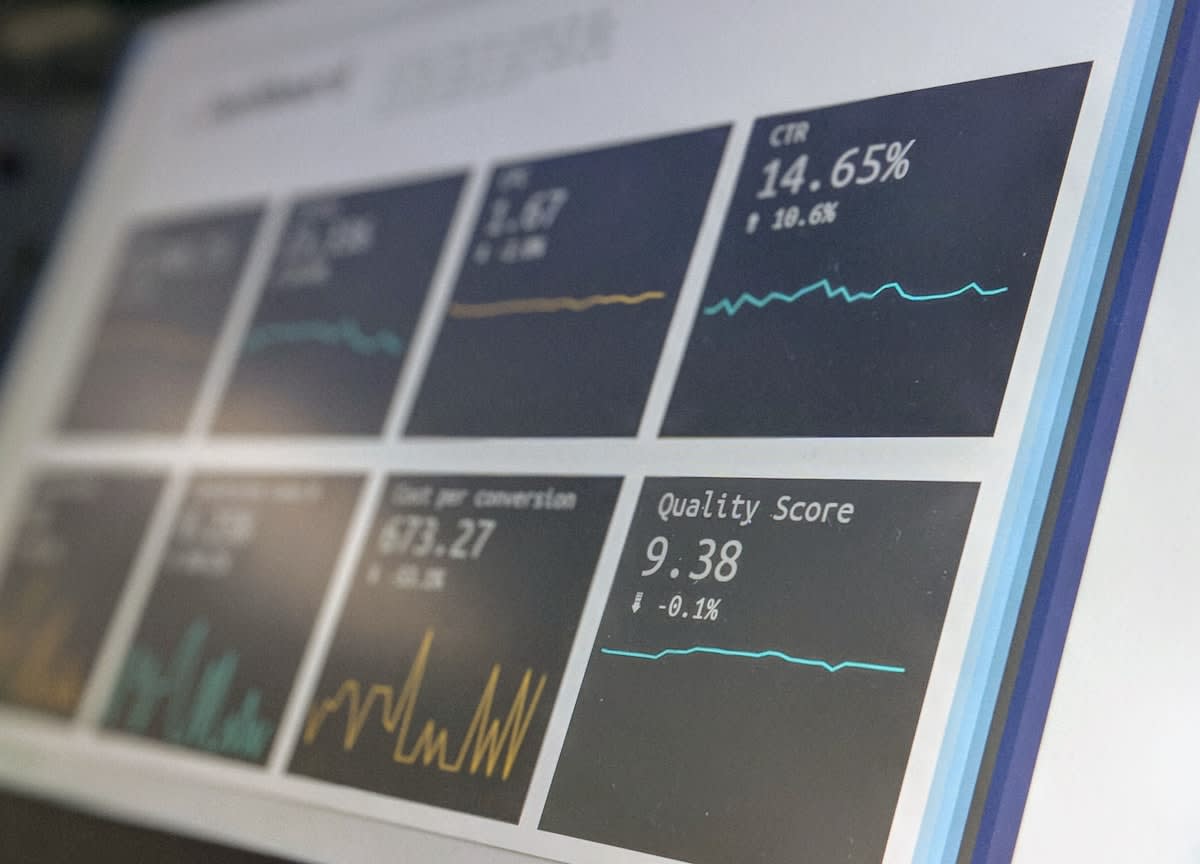
Correlation: Training Load vs. HRV Stability
Executive Insight
+18.4%
YTD Growth
Looking ahead, the delta between those who embrace this and those who resist it will only widen. We are seeing a transition where the 'hardest worker in the room' is no longer the one who stays the latest, but the one who manages their nervous system with the most precision. The recovery arms race isn't about avoiding work; it's about ensuring that every single ounce of effort results in a tangible gain rather than a step toward burnout. In the high-stakes world of global sport, the most aggressive move you can make is knowing exactly when to stop.
Editorial Note: The Toughness Paradox
The transition to HRV-driven models is not without controversy. Some physiologists argue that over-reliance on HRV can lead to 'under-training,' where athletes avoid the necessary discomfort required for certain types of mental and physical toughness. The debate continues on whether the 'optimal' state is always the most performant state.
Fact-Check & Accuracy Note
Key claims regarding the efficacy of HRV-guided training are sourced from the British Journal of Sports Medicine (2022) and the Journal of Strength and Conditioning Research (2021). Market growth statistics are attributed to Grand View Research (2023). There is ongoing debate regarding the impact of the 'nocebo effect' in biometric tracking, as this is a qualitative psychological observation rather than a quantified clinical certainty.