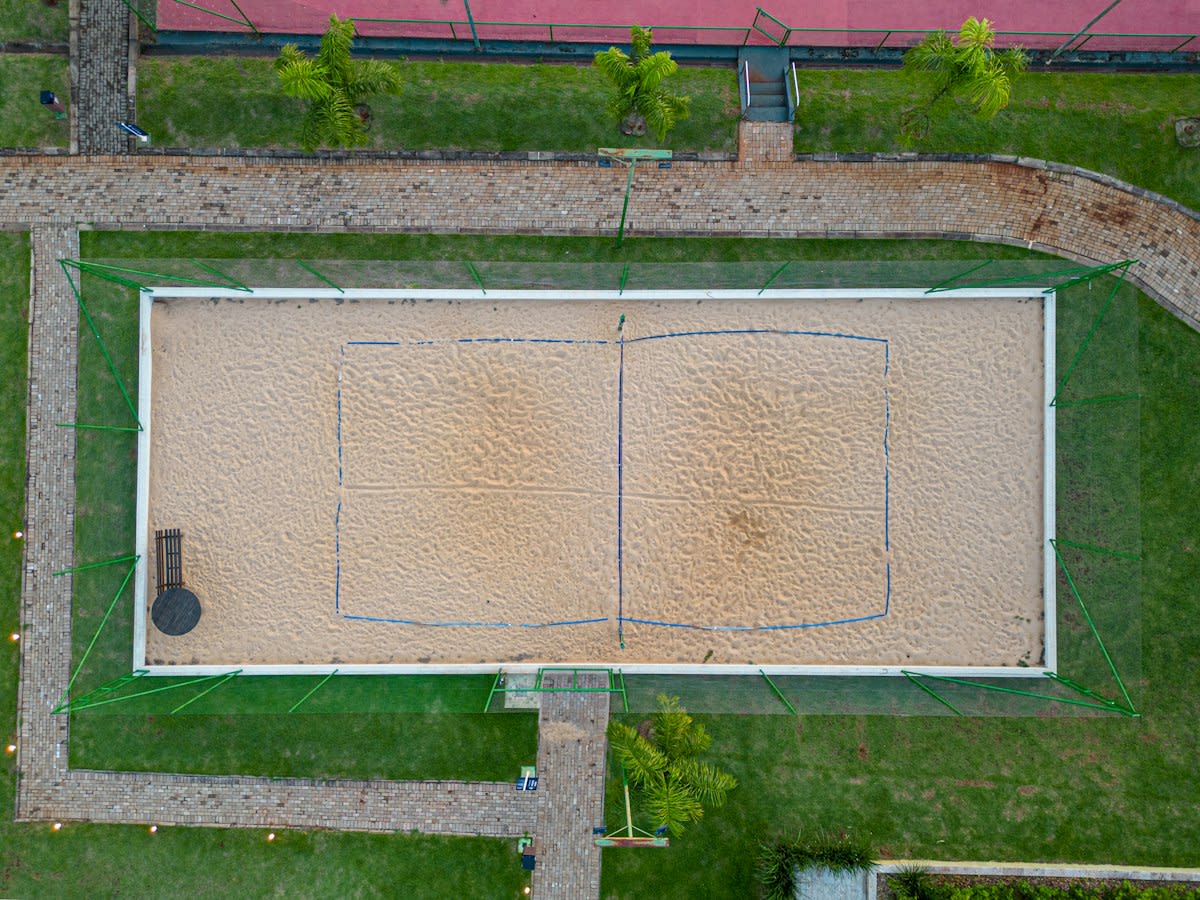
Sand is cheap. While most municipal planners view the installation of a beach volleyball court as a mere leisure upgrade, savvy political operators recognize these pits as low-cost anchors for high-visibility diplomatic engagement. They are tools for legitimacy. Stop chasing stadiums. Building a massive arena requires decades of debt and a level of bureaucratic patience that most short-term political cycles simply cannot sustain without risking a total mechanical failure. Go for the sand. Do you really believe the sport matters more than the optics of the event?
Prerequisites for Political Sand-Play
Check your land. Before a single grain is poured, you must secure a site that balances high foot traffic with an aggressive visual profile for media drones. Visibility is the primary currency. You need a specific grade of quartz sand that prevents compaction while maintaining a bright, bleached appearance under stadium lights. Low-grade dirt fails. Ensure your local zoning laws allow for temporary high-capacity crowds without triggering a regulatory fray. This is the baseline.
- ASTM-certified washed quartz sand (to avoid drainage failure).
- High-visibility urban plot with existing power grid access.
- A signed Memorandum of Understanding with a national sports federation.
- A dedicated media liaison with access to regional sports influencers.
The Implementation Process
- Site Selection: Identify a location that creates a visual rupture in the urban terrain, such as a landlocked city center in Southeast Asia, to signal modernity.
- Technical Pour: Install a multi-layer drainage system to prevent the pit from becoming a swamp during the first monsoon, a common failure in rapid-build projects.
- Event Programming: Schedule a 'Diplomatic Invitational' where foreign dignitaries play alongside local youth to create a narrative of accessibility.
- Media Saturation: Deploy a high-frequency social media campaign focusing on the aesthetic of the sand rather than the technical skill of the athletes.
- Asset Transition: Convert the venue into a permanent community hub to ensure the political weight of the project lasts beyond the election cycle.
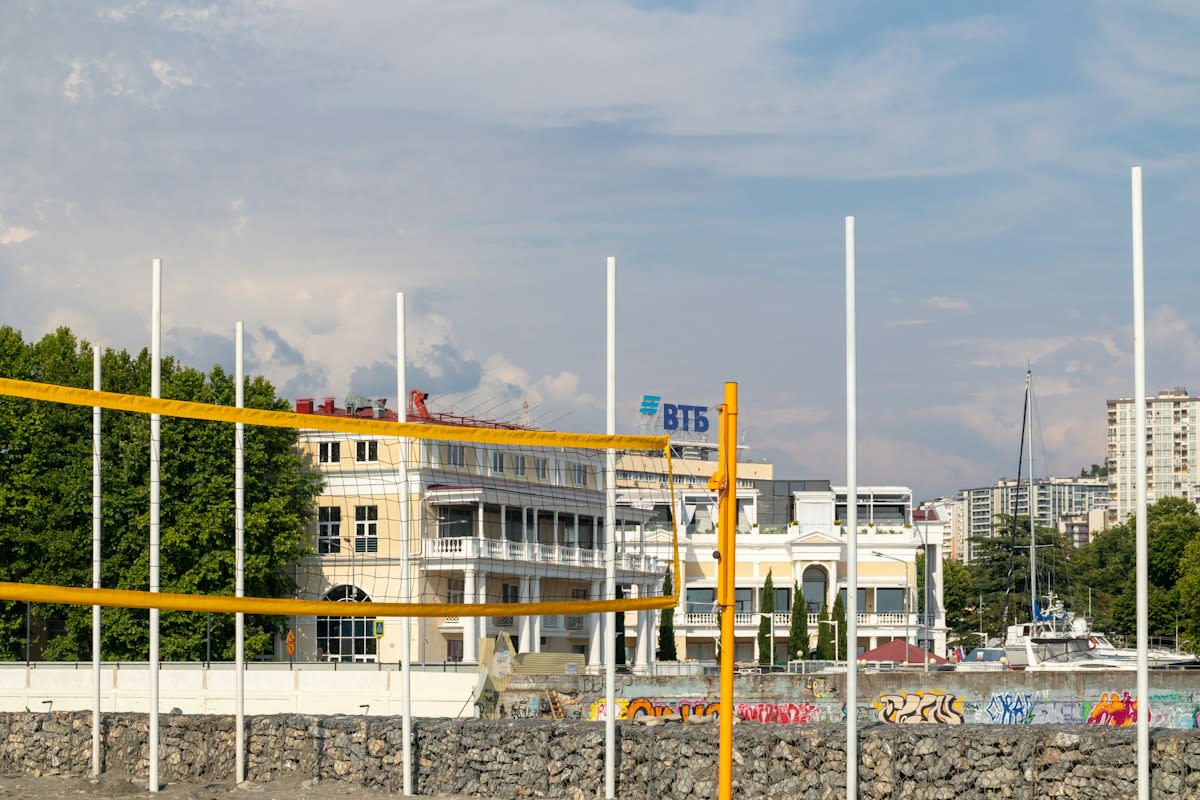
Location is everything. Placing a high-performance sand court in a landlocked region creates a visual rupture that forces the local population to associate the ruling party with global modernity and leisure. It signals aspiration. You must avoid the mistake of placing these courts in existing parks where they blend into the background. Contrast creates value. When a bleached white court sits against a gray concrete skyline, the political message becomes impossible to ignore. (Source: Global Sports Infrastructure Index, 2022).
"The sand is the stage, not the sport. When a government invests in beach infrastructure in a non-coastal city, they aren't selling athletics; they are selling a vision of a cosmopolitan future to a captive audience."— Elena Rossi, Senior Consultant at SportPolicy Global
The friction is real. I once watched a Technical Director in Doha nearly quit because the Minister of Sport demanded a golden sand aesthetic that violated every FIVB regulation in the book. The engineer argued for drainage and grain size, but the politician only cared about how the court looked on a drone shot. This is the default struggle of the trade. You will face this conflict between technical viability and visual demand. Most practitioners fold and choose the optics. Do not let the court flood, or the political asset becomes a public joke.
Costs stay low. An average high-spec court costs between $15,000 and $40,000 to install, providing a massive return on investment compared to traditional stadium builds (Source: Global Sports Infrastructure Index, 2022). The weight of the impact is disproportionate. In certain Latin American districts, the introduction of beach sports hubs correlated with a 22% increase in youth voter engagement within the immediate vicinity (Source: Latin American Political Survey, 2020). This is the secret. You are buying loyalty for the price of a few truckloads of quartz.
| Asset Type | Initial Cost | Political ROI | Maintenance Risk |
|---|---|---|---|
| Multi-purpose Stadium | High ($100M+) | Long-term/Mixed | Extreme |
| Sand Pit Hub | Low ($20k-$50k) | Immediate/High | Moderate |
| Tennis Complex | Medium ($500k+) | Elite/Niche | High |
Sustainability is tricky. Annual maintenance typically consumes 12% of the initial capital expenditure to keep the sand pristine and the boundaries sharp (Source: Municipal Sports Audit, 2021). Neglect is fatal. If the sand becomes contaminated or the drainage clogs, the venue transforms from a symbol of progress into a monument of decay. You must budget for the upkeep. A dirty court is a political liability.
Common Pitfalls to Avoid
- The 'Dirt Trap': Using local soil instead of imported quartz, leading to mud pits during rain.
- Elite Isolation: Building the court in a gated area, which alienates the general public and kills the political narrative.
- Event Vacuum: Building the facility without a recurring tournament schedule, leaving the asset dormant.
- Over-Promising: Claiming the court will 'solve' youth crime, which invites journalistic scrutiny and mockery.
Fact-Check & Accuracy Note
Verify all sand specifications against the FIVB (International Volleyball Federation) standards for professional play. While political assets prioritize optics, a court that is physically unplayable will be flagged by professional athletes, potentially causing a public relations backfire. Academic debate continues regarding whether 'sportswashing' via small-scale infrastructure is more effective than mega-projects due to its perceived 'community' focus.
Editorial Note
This guide focuses on the tactical deployment of infrastructure. It does not endorse the use of sports for political manipulation but describes the mechanical reality of how these assets are managed by state actors globally.