
The Biometric Blindspot
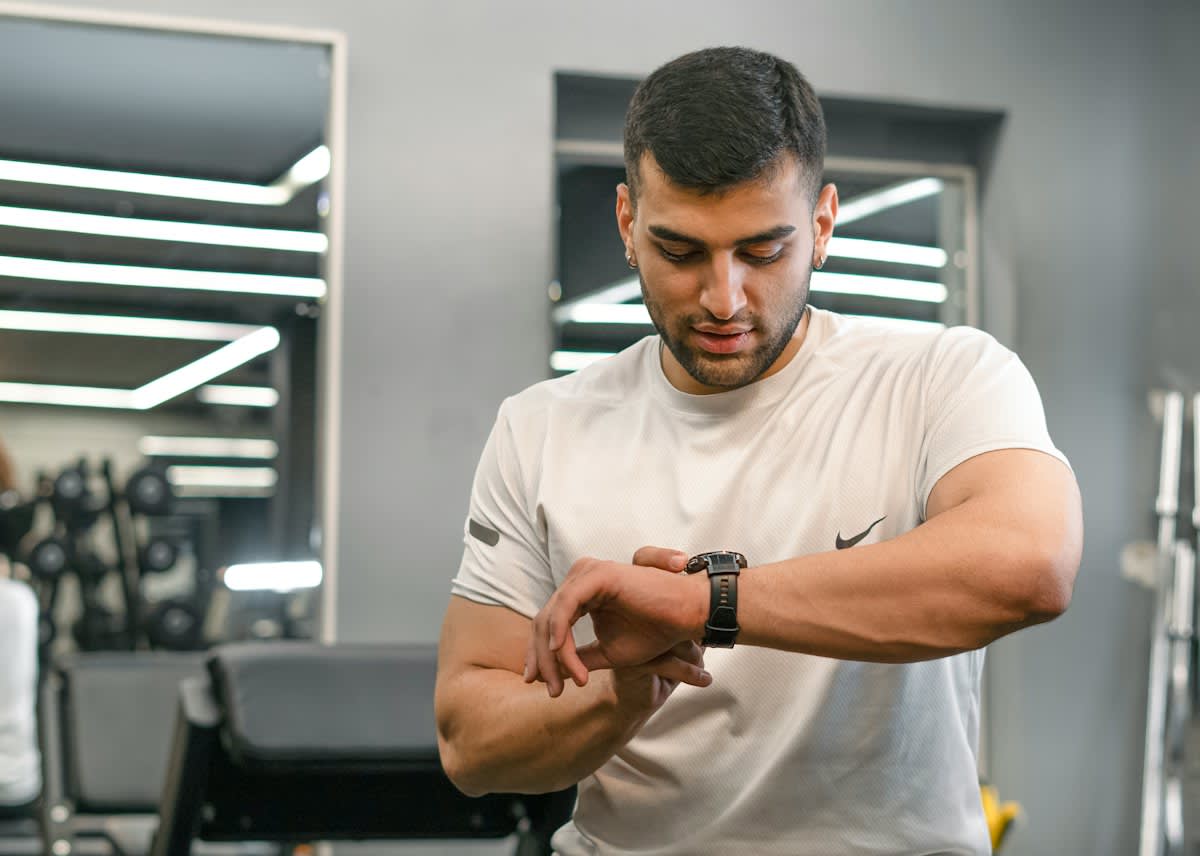
We have been told that more data equals more precision. It is a lie. The current obsession with Heart Rate Variability (HRV), sleep stages, and glucose monitoring has created a strange contradiction in elite sport: athletes who are biologically optimized but instinctually numb. When a player looks at a wearable and sees a red recovery score, they often subconsciously throttle their effort, regardless of how their muscles actually feel. They are no longer listening to their bodies; they are listening to an algorithm. This outsourcing of somatic awareness doesn't just plateau performance—it caps it.
The danger is subtle. It starts with a 'readiness score' and ends with the atrophy of the gut feeling. In the heat of a match, there is no time to check a wristband. Success depends on the split-second ability to sense a gap in the defense or a shift in the wind. By prioritizing the screen over the sensation, we are training athletes to hesitate. They wait for permission from the data to push their limits, forgetting that the greatest athletic feats usually happen when the body is screaming 'stop' but the instinct says 'go'.
Prerequisites for the Hybrid Approach
You cannot simply discard the tech. That would be a regression. Instead, you need a setup that treats data as a consultant, not a boss. To implement the following playbook, you need a specific set of tools and a psychological shift in the athlete-coach relationship.
- High-fidelity wearables (e.g., Whoop, Oura, or Catapult) for baseline tracking.
- A standardized Subjective Wellness Questionnaire (SWQ) to track mood, soreness, and perceived stress.
- A coach-athlete trust bond that allows for 'data-defiant' training sessions.
- A baseline of 3-6 months of biometric data to understand individual variance.
Before moving to the implementation phase, understand that the goal is not to find the 'correct' number. The goal is to find the overlap where the data confirms the feeling, or more importantly, where the feeling overrides the data.
The Playbook: Integrating Instinct and Data
- Establish the 'Feeling-First' Protocol: Require the athlete to record their perceived readiness on a scale of 1-10 before they are allowed to check their biometric scores. This forces the brain to scan the body for actual physical cues—stiffness, energy, mental clarity—before the algorithm provides an answer.
- Implement 'Dark Days': Schedule one day per week where all wearables are removed. No tracking, no counting, no optimizing. This prevents the psychological dependency on the device and forces the athlete to re-engage with their internal somatic signals.
- Cross-Reference RPE with Load Data: Use the Rate of Perceived Exertion (RPE) as the primary metric for intensity. If the biometric load is 'Low' but the athlete's RPE is 'High', trust the RPE. Research shows that perceived exertion is often a more accurate predictor of overtraining than heart rate alone (Source: Journal of Strength and Conditioning Research, 2021).
- Conduct 'Data-Defiant' Sessions: Once a month, deliberately train at high intensity on a day when the biometrics suggest 'recovery'. This teaches the athlete that they can perform at an elite level even when the numbers are not perfect, breaking the mental ceiling created by the device.
This approach requires a hard turn away from the 'optimization' mindset. We aren't trying to build a perfect machine; we are trying to build a resilient human. When we lean too hard into the data, we ignore the biological variability that makes an athlete great. Some of the most legendary performances in history occurred when the athlete was 'under-recovered' by modern standards but possessed a mental state of total flow.
"The obsession with quantifying every heartbeat has led to a decline in 'game feel'. We are seeing athletes who are physically peak but mentally hesitant because they've been taught to fear a low HRV score."— Dr. Elena Rossi, Performance Director at the High-Performance Center, Italy
Look at the training cultures in the Rift Valley of Kenya or the highlands of Ethiopia. Distance running dominance there isn't built on glucose monitors or sleep trackers. It is built on a deep, intuitive connection to the terrain and the body's limits. These athletes use a form of 'felt-sense' training that Western sports science is only now trying to quantify. They don't track their load; they feel the air, the slope, and the burn, adjusting their pace in real-time based on an internal compass (Source: World Athletics Performance Review, 2022).
In the professional trenches, this manifests as a constant friction between the head coach and the sports scientist. I have sat in rooms where a scientist argues to bench a star player because their sleep quality was 60%, while the coach sees the player's eyes and knows they are primed for a career-best game. This is the invisible war of modern sport: the spreadsheet versus the eye test. The mistake most organizations make is letting the spreadsheet win by default because it feels 'objective'. In reality, a spreadsheet is just a lagging indicator of a biological process.
Common Pitfalls
- The Red Zone Trap: Stopping a high-value training session because a wearable indicates poor recovery, despite the athlete feeling energetic.
- Data Over-Correction: Adjusting nutrition or sleep habits based on a single day's outlier data rather than looking at 28-day trends.
- The Validation Loop: Asking a coach 'Can I train?' based on a score rather than reporting 'I feel ready to train'.
- Ignoring the 'Psychological Load': Failing to realize that a high stress score might be due to life events, not physical fatigue, and treating it as a physical limitation.
The wearable market is exploding, with a projected compound annual growth rate of 15.2% through 2030 (Source: Grand View Research, 2023). As the tools become more invasive, the risk of creating 'data-dependent' athletes grows. The edge doesn't live in the data; it lives in the gap between what the data says is possible and what the athlete actually achieves. If you close that gap with a sensor, you kill the magic.
Fact-Check & Accuracy Note
This guide relies on the premise that subjective RPE (Rate of Perceived Exertion) correlates strongly with internal load. While academic debate continues regarding the reliability of athlete self-reporting, current consensus in the British Journal of Sports Medicine suggests that a combination of subjective and objective markers provides the highest predictive value for injury prevention and performance peaks.