Consider designing portal to register NCC personnel as ‘Park Prahari’: Centre to Delhi Police
Source Entity
Mahender Singh Manral
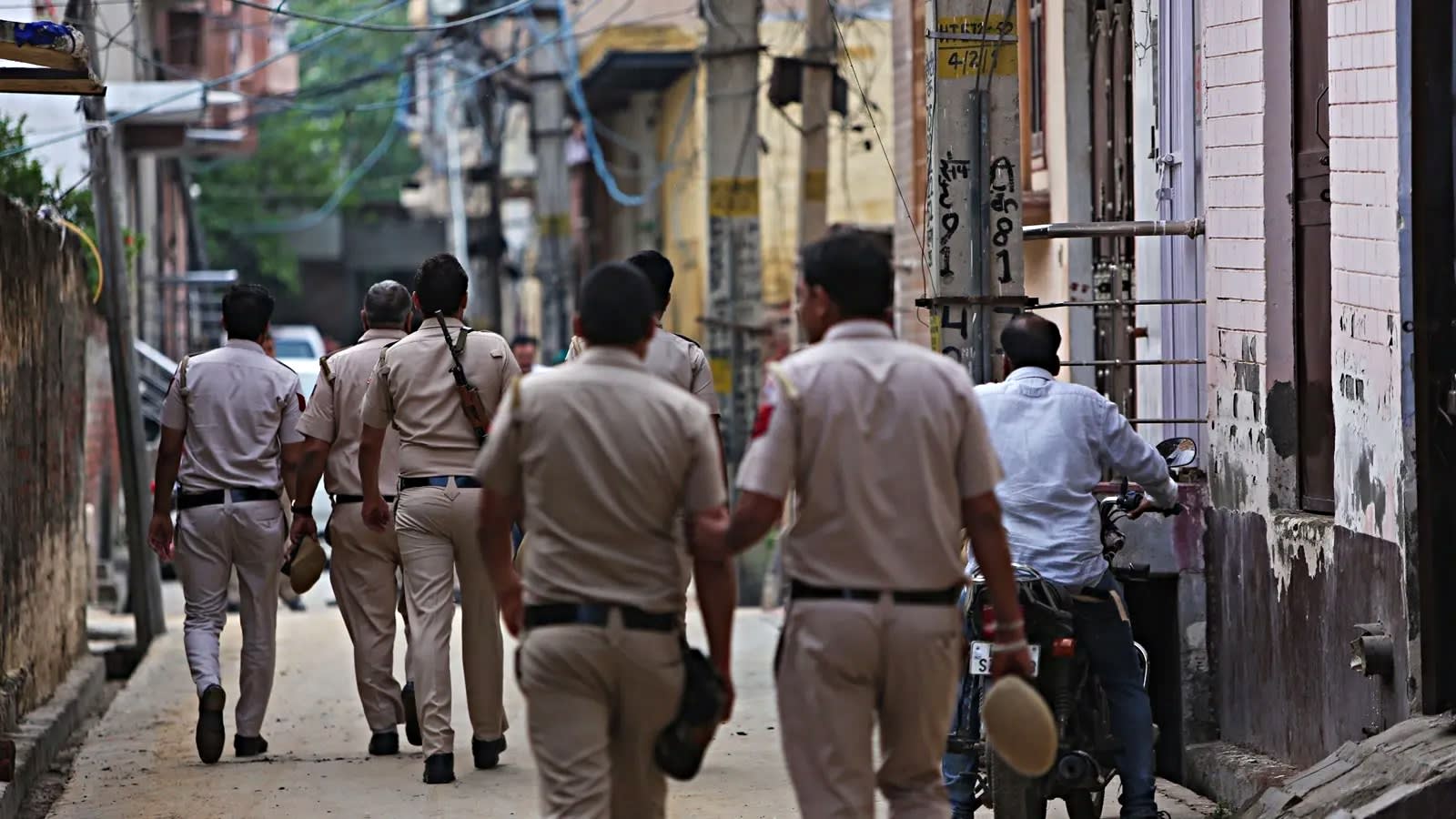
Following a serious sexual assault incident at Astha Kunj Park, the MHA has directed the Delhi Police to implement a 'Park Prahari' portal for NCC volunteers. The initiative also mandates the rapid installation and audit of CCTV infrastructure by November to improve public safety.
Enhancing Public Safety: The 'Park Prahari' Initiative
Following the tragic and highly publicized incident involving the alleged gang-rape of a 17-year-old in South Delhi’s Astha Kunj Park, the Union Ministry of Home Affairs (MHA) has intervened to address the glaring security lapses in the capital's public spaces. In a high-level meeting, the MHA directed Delhi Police Commissioner Anurag Kumar to explore the creation of an online portal to register National Cadet Corps (NCC) personnel as 'Park Prahari' (Park Guards). This strategic move aims to leverage the disciplined youth force of the NCC to increase human surveillance and deter criminal activities in vulnerable public areas.
The Role of NCC in Urban Surveillance
The engagement of NCC cadets as 'Park Prahari' represents a shift toward a community-participatory policing model. By formalizing their presence through a digital platform, the authorities intend to create a structured oversight mechanism. This initiative not only provides a sense of security to park-goers but also utilizes the existing organizational strength of the NCC to augment police forces, which are often stretched thin across the vast urban landscape of Delhi.
Technological Upgrades and Infrastructure
Beyond human surveillance, the MHA has emphasized the necessity of technological intervention. The directive mandates a thorough audit of existing CCTV camera networks within city parks. Furthermore, the MHA has set a strict deadline of November for the completion of new installations. By collaborating with specialized institutions like C-DAC (Centre for Development of Advanced Computing) and BISAG-N (Bhaskaracharya National Institute for Space Applications and Geo-informatics), the government aims to deploy advanced monitoring systems that can provide real-time data and actionable intelligence to law enforcement.
Addressing Systemic Security Gaps
The urgency behind these directives stems from the public outcry following the Astha Kunj incident. Public parks, while designed for recreation, have increasingly become sites of concern due to inadequate lighting, lack of security personnel, and insufficient surveillance coverage. By integrating high-tech monitoring with a ground-level volunteer force, the administration is attempting to address these systemic vulnerabilities in a holistic manner.
Future Implications for Urban Planning
The success of the 'Park Prahari' model could serve as a pilot for broader urban safety strategies across India. If the integration of the NCC proves effective in reducing crime rates in parks, similar models could be extended to other public transport hubs and high-footfall areas. This initiative signifies a commitment to leveraging national resources—both human and technical—to ensure that public spaces remain accessible and safe for all citizens.
Conclusion
Ultimately, the directive from the Ministry of Home Affairs acts as a critical response to a failure of public safety. By combining the digital registration of personnel with the accelerated deployment of sophisticated surveillance infrastructure by C-DAC and BISAG-N, the Delhi Police is being pushed to modernize its security apparatus. The November deadline serves as a crucial benchmark for accountability, ensuring that these proposed safety measures are not merely reactive, but are implemented with the urgency required to prevent future tragedies.