3 months ahead of schedule, Delhi crosses target to install EV charging points
Source Entity
Alok Singh, Devansh Mittal
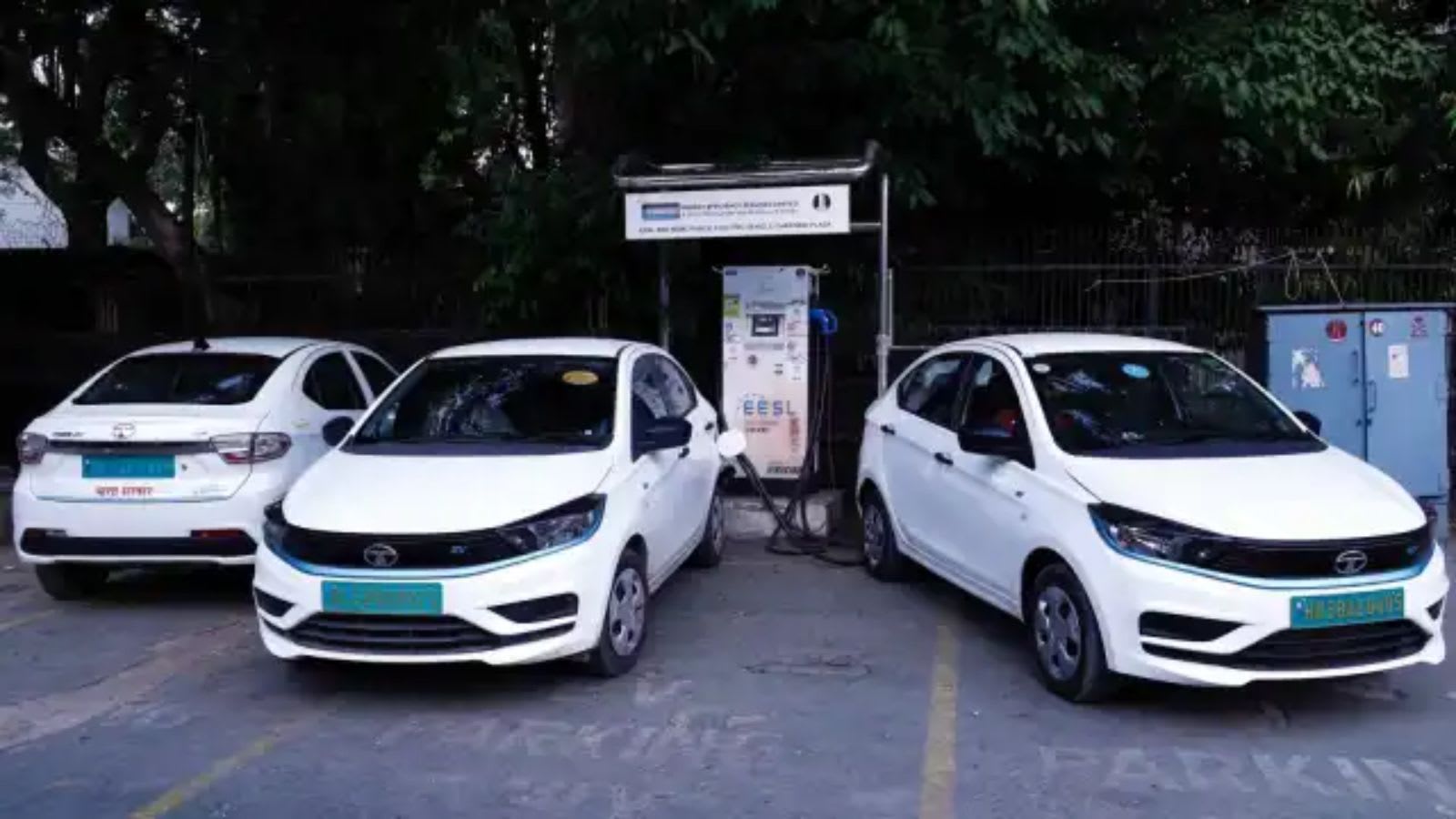
Delhi has reached its 2026 electric vehicle charging infrastructure goal three months ahead of schedule, with 14,225 points installed. This achievement reflects India's broader trend of consistently outpacing its national climate and clean energy commitments.
Delhi's Milestone in Electric Mobility Infrastructure
Delhi has officially crossed a significant milestone in its transition toward sustainable transportation, surpassing its electric vehicle (EV) charging infrastructure target set for December 2026. As of September 30, the national capital has installed 14,225 charging points, successfully exceeding the mandate of 13,913 points established by the Commission for Air Quality Management (CAQM). This achievement, reached three months ahead of the projected deadline, highlights a robust acceleration in the city's efforts to support the adoption of electric vehicles.
Scaling Up: The Pace of Implementation
The scale of this infrastructure rollout is underscored by the rapid deployment seen in the current year. Between January 1 and September 30, Delhi added 5,312 charging points to its network. Power Minister Ashish Sood emphasized that this expansion is a cornerstone of the government's commitment to improving air quality in the region. By ensuring that the charging network grows in tandem with the shift toward electric mobility, officials are addressing one of the primary barriers to EV adoption: range anxiety and the lack of accessible charging stations.
A Pattern of Exceeding Climate Targets
Delhi's success mirrors India's broader track record of surpassing its international climate commitments. Under the 2015 Paris Agreement, India pledged that 40 percent of its power capacity would derive from non-fossil sources by 2030; the country achieved this milestone in 2021, nine years ahead of schedule. Similarly, India met its goal to reduce the emissions intensity of its economy by 33-35 percent from 2005 levels a decade early. In 2022, the target was raised to 50 percent clean energy capacity, a goal that was cleared in 2025, five years early.
Strategic Implications and Criticisms
While these achievements demonstrate a consistent ability to meet and exceed infrastructure and environmental goals, some analysts argue that the government's pledges often reflect trajectories the country is already on track to meet. By setting targets that are achievable through existing momentum, India maintains a strong record of success in international forums. However, experts suggest that to truly address the global climate crisis—especially in the context of volatile energy markets, such as the recent oil price spikes associated with the Hormuz crisis—India may need to set more ambitious, challenging bars.
Looking Ahead: The Future of Urban Mobility
The successful deployment of charging infrastructure in Delhi serves as a case study for other metropolitan areas in India. As the transition to electric mobility gains institutional support, the focus will likely shift from merely meeting installation targets to optimizing the distribution and smart-grid integration of these charging points. Moving forward, the challenge will be to sustain this momentum while ensuring that the power feeding these chargers is increasingly sourced from renewable energy, thereby maximizing the overall environmental benefits for the National Capital Region.