Get Ready for Touch on Mac
Source Entity
Hacker News
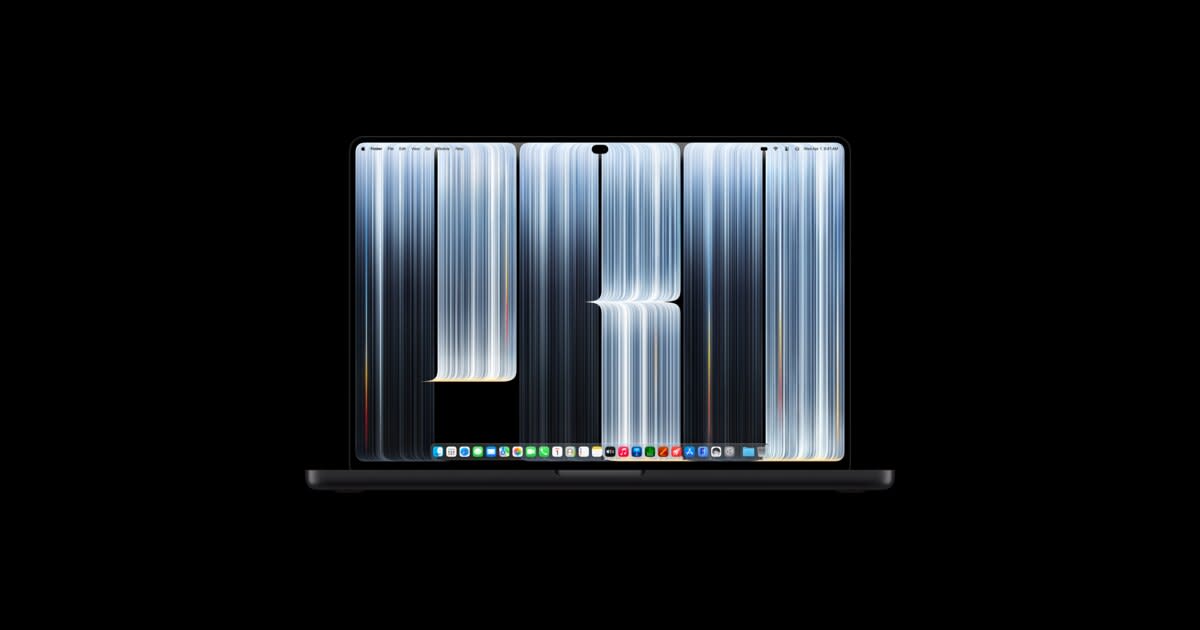
Apple is expanding its ecosystem by fostering developer engagement for touchscreen Mac applications. This initiative coincides with the integration of advanced Siri AI capabilities into devices featuring ProLED XDR display technology.
The Evolution of the Mac Interface
Apple has officially signaled a strategic shift toward integrating touch-based interactivity into the macOS ecosystem. Through the 'Touch on Mac' developer initiative, the company is inviting engineers and designers to collaborate on optimizing applications for a touchscreen environment. This move represents a significant departure from Apple’s long-standing philosophy regarding the separation of touch-based interfaces—typically reserved for the iPad—and the precision-oriented macOS experience. By fostering this community-driven development, Apple is likely preparing for a future hardware generation that bridges the gap between traditional laptop ergonomics and modern touch-input expectations.
The ProLED XDR Display Integration
The introduction of the MacBook Pro equipped with a ProLED XDR display suggests that Apple is not merely adding touch functionality, but doing so on a premium, high-fidelity canvas. The XDR (Extreme Dynamic Range) technology is designed to deliver superior contrast ratios and brightness levels, which are critical for professional-grade creative work. When combined with a touch interface, this hardware configuration implies that Apple intends to capture the creative market—designers, illustrators, and video editors—who require both tactile control and visual accuracy.
Siri AI: The Conversational Pivot
Beyond hardware, the integration of 'Siri AI' marks a massive overhaul for Apple’s virtual assistant. Unlike previous iterations of Siri, this new conversational AI is built to handle open-ended queries, project brainstorming, and fluid, back-and-forth dialogue. This evolution suggests that Apple is positioning the Mac as a central hub for generative AI workflows. By embedding this intelligence directly into the operating system, Apple is attempting to streamline productivity, allowing users to leverage natural language processing to manage complex tasks within their creative applications.
Implications for Developers and Users
The 'Touch on Mac' workshops serve as a critical bridge for developers who must now rethink UI/UX paradigms for a hybrid input world. Designing for a cursor-based mouse input versus a touch-based finger input requires significant adjustments in hit-target size, gesture controls, and navigation flow. As developers begin to integrate these tools, users can expect a more unified experience across the Apple product line, potentially rendering the distinct lines between iPadOS and macOS increasingly porous.
Future Trends and Market Positioning
Looking ahead, this dual approach of hardware innovation (ProLED XDR and touch) and software intelligence (Siri AI) positions Apple to compete more aggressively in the high-end workstation market. If successful, this ecosystem will allow Apple to maintain its premium branding while offering the flexibility of touch devices that have become standard in the Windows laptop market. The success of this transition will ultimately depend on how seamlessly the new Siri AI integrates with these touch-enabled professional applications, potentially setting a new standard for how we interact with our computers.