Jailhouse rock, the ‘others’ in the dock
Source Entity
India Latest News: Top National Headlines Today & Breaking News | The Hindu
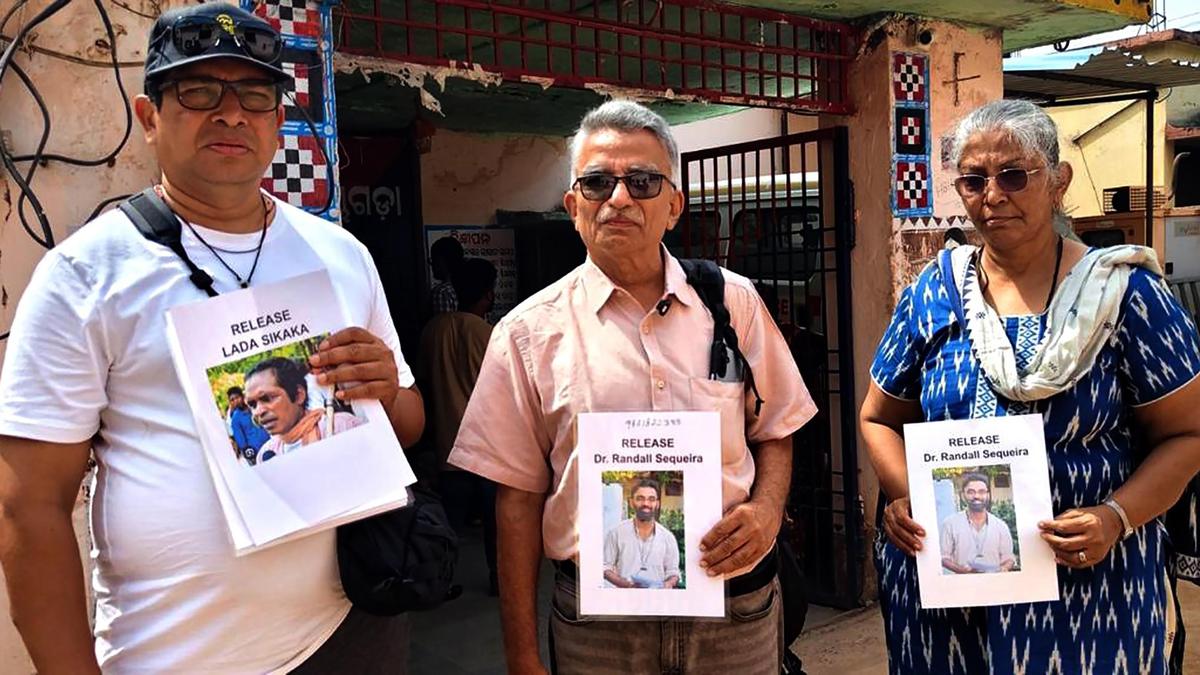
A doctor and a Dalit activist were arrested in Odisha for alleged links to anti-mining protests. The arrests occurred months after the initial incident, using the 'others' category in an FIR to implicate individuals not originally named.
The Controversy of 'Unnamed Others' in Odisha's Mining Belt
On the night of October 16, a routine evening in Bhawanipatna, Odisha, turned into a significant legal flashpoint when police arrested Dr. Randall Sequeira and activist Laxman Naik. The apprehension of these two individuals, occurring well after the initial reports of unrest, has sparked a firestorm of debate regarding the use of broad, catch-all categories in First Information Reports (FIRs) to target dissenters in regions sensitive to industrial expansion.
The Mechanics of Delayed Arrests
The arrests of Dr. Sequeira and Mr. Naik are linked to a violent clash that transpired nearly 200 days prior in the Kashipur region of Rayagada district. Crucially, neither man was identified by name in the original FIR No. 85/2026, which named 26 specific villagers. Instead, investigators utilized a legal loophole—the designation of 100 unnamed 'others'—to retroactively implicate them. This practice raises serious questions about the transparency of the criminal justice process in tribal heartlands where industrial interests often collide with local activism.
Industrial Interests and Tribal Resistance
Kashipur and the broader Kalahandi district are central to the contentious discourse surrounding bauxite mining in Odisha. For years, Adivasi and Dalit communities have expressed deep-seated fears that mining operations threaten their ancestral lands and livelihoods. Dr. Sequeira, known for serving these tribal communities, and Mr. Naik, a local activist, have been accused of supporting resistance movements against these industrial projects. The timing and nature of their arrests suggest a pattern of utilizing state machinery to suppress opposition to mining activities.
Legal Intimidation vs. Due Process
Human rights advocates and local community members argue that the police are weaponizing the 'others' category to conduct arbitrary arrests without the immediate burden of naming suspects at the time of the incident. By adding names months later, authorities effectively circumvent the immediate scrutiny that accompanies high-profile naming. This strategy is viewed by critics as a form of institutional intimidation, designed to silence those advocating for the rights of marginalized populations.
Implications for Civil Liberties
This case serves as a microcosm of the broader tension between economic development and civil rights in India’s tribal belts. The reliance on vague legal categories to facilitate arrests long after an alleged crime has occurred undermines the principles of due process. As the legal proceedings unfold, the primary concern remains whether the judicial system will prioritize the protection of constitutional rights over the interests of industrial expansion, setting a precedent for how dissent is handled in future resource-extraction conflicts.
Verification Required?