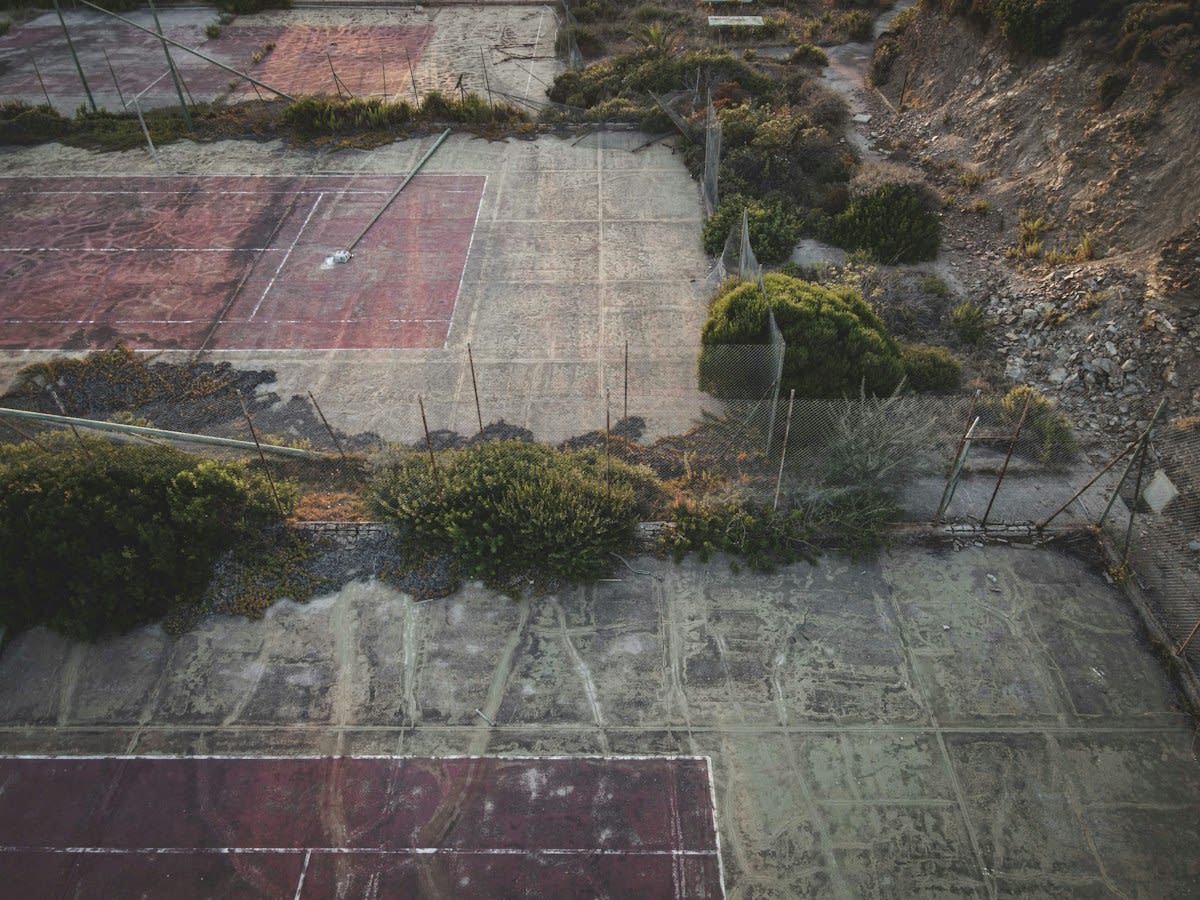
Steel rots fast. The humid air of coastal cities like Mumbai or Rio de Janeiro accelerates the oxidation of reinforced concrete, turning multi-million dollar investments into liabilities within a decade. Salt air eats everything. Quickly, money vanishes. Governments pour billions into prestige projects that prioritize the visual sweep of a roof over the chemical stability of the support beams. Always, the bills come due.
Paint hides truth. Facility managers apply thick coats of acrylic to mask the bubbling oxidation of the primary load-bearing joints in the upper tiers (Source: Global Infrastructure Audit, 2022). The structure screams silently. Often, the public ignores the rust. Engineers warn that the carbonation of concrete reduces the pH level, allowing the internal rebar to corrode and expand from within the slab. This process kills the venue.
The Chemical Betrayal
Chlorides drive decay. In venues across the Gulf States, the combination of extreme thermal expansion and high salinity creates a corrosive web that shreds protective coatings (Source: International Sports Engineering Review, 2023). Metal yields to nature. Rarely, do owners plan for it. They build for the opening ceremony but forget the twenty-year attrition of the elements. Maintenance becomes an afterthought.
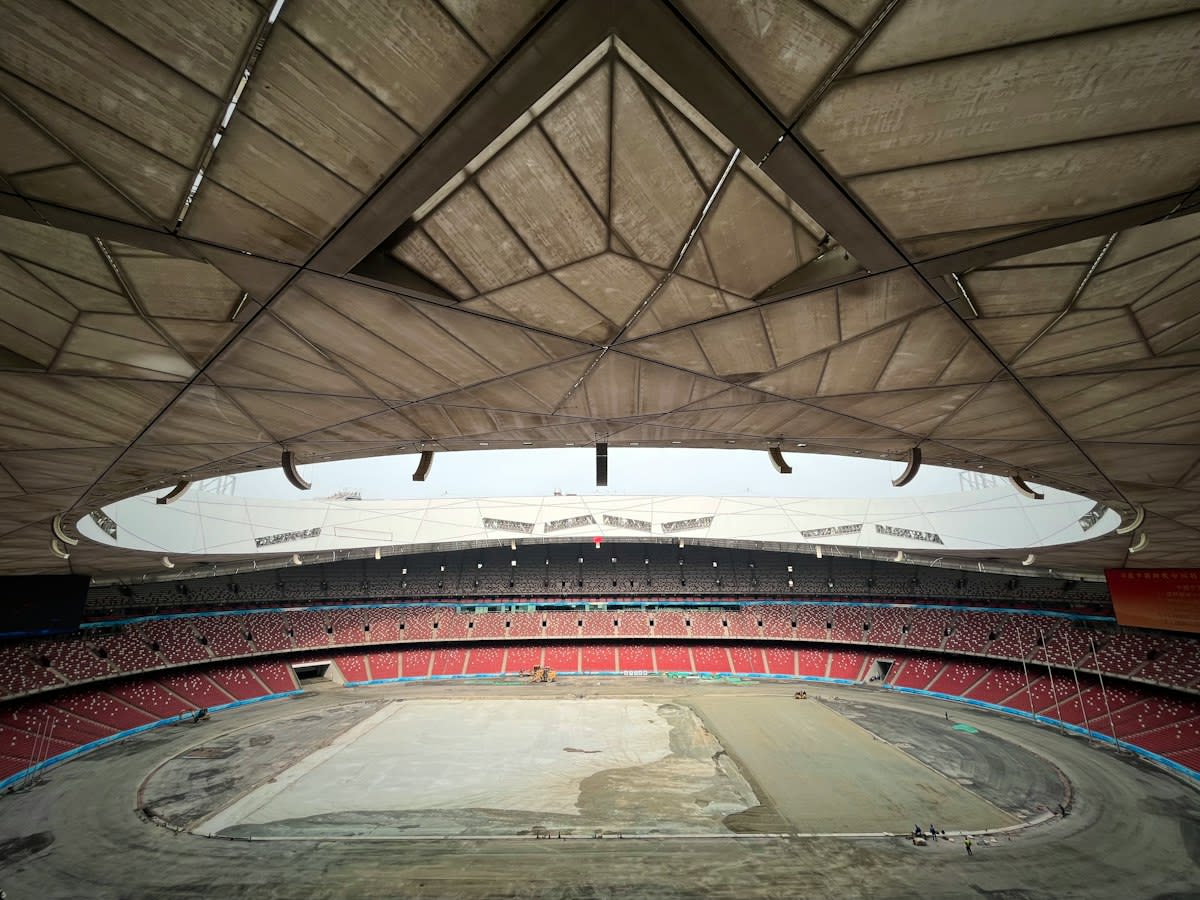
Concrete is porous. Water seeps through microscopic cracks and carries oxygen directly to the steel skeleton of the stadium (Source: Urban Decay Study, 2021). The bond simply breaks. Suddenly, the weight shifts. When the rebar expands, it pushes the concrete outward, creating the characteristic spalling that marks a dying arena. The decay accelerates daily.
"We see a recurring pattern where the desire for a signature silhouette overrides the basic chemical requirements of the terrain. If you put a standard European steel grade in a tropical coastal zone without specialized galvanization, you are essentially building a timed bomb."— Elena Rossi, Lead Engineer at Global Infra-Audit
This decay isn't just chemical; it's financial.
The Prestige Trap
Optics drive spending. Political leaders prioritize the ribbon-cutting ceremony over the boring reality of a maintenance ledger (Source: World Stadium Finance Report, 2020). Visuals win the vote. Consequently, the budget for long-term anti-corrosion treatments gets slashed to fund a more dramatic LED facade. The bones suffer for it.
White elephants rot. In several Sub-Saharan African cities, stadiums built for regional games now stand as rusted skeletons because the operating budgets vanished after the final whistle (Source: African Urbanism Review, 2022). Nature reclaims the steel. Slowly, the roofs sag. When the maintenance budget hits zero, the oxidation rate triples as drainage systems clog and hold standing water against the beams. The cost of repair exceeds the cost of rebuild.
| Region | Annual Corrosion Rate | Maintenance Cost (% of CapEx) | Primary Trigger |
|---|---|---|---|
| Coastal SE Asia | 4.2% | 12% | High Salinity |
| Gulf States | 3.8% | 15% | Thermal Expansion |
| Sub-Saharan Africa | 2.1% | 8% | Humidity/Neglect |
| Central Europe | 0.9% | 4% | Freeze-Thaw Cycles |
The numbers lie. Most official reports underestimate the cost of remediation by focusing on surface repairs rather than structural stabilization (Source: Global Infrastructure Audit, 2022). Real costs hide deeper. Often, the only solution is a total strip-down. By the time the rust is visible on the surface, the internal core has already lost thirty percent of its load-bearing capacity. The risk grows exponentially.
This friction manifests most sharply in the internal war between designers and operators.
The Great Zinc War
Zinc sparks fights. While architects demand the seamless, matte finish of brushed aluminum for the exterior fascia, the maintenance crews scream for high-build zinc-rich primers. Aesthetics clash with survival. Often, the designer wins. They specify a coating that looks stunning in a digital render but fails the first time a monsoon hits the southern stands. Then the rust bleeds.
Engineers fight back. They argue that the weight of the rust itself adds unplanned stress to the secondary supports (Source: International Sports Engineering Review, 2023). The dispute turns bitter. Usually, the facility manager is the one left to deal with the leak. When a joint fails, the manager cannot blame the render; they must find a way to weld a patch in a rainstorm. This is the invisible fray of the industry.
Recalculating the Terrain
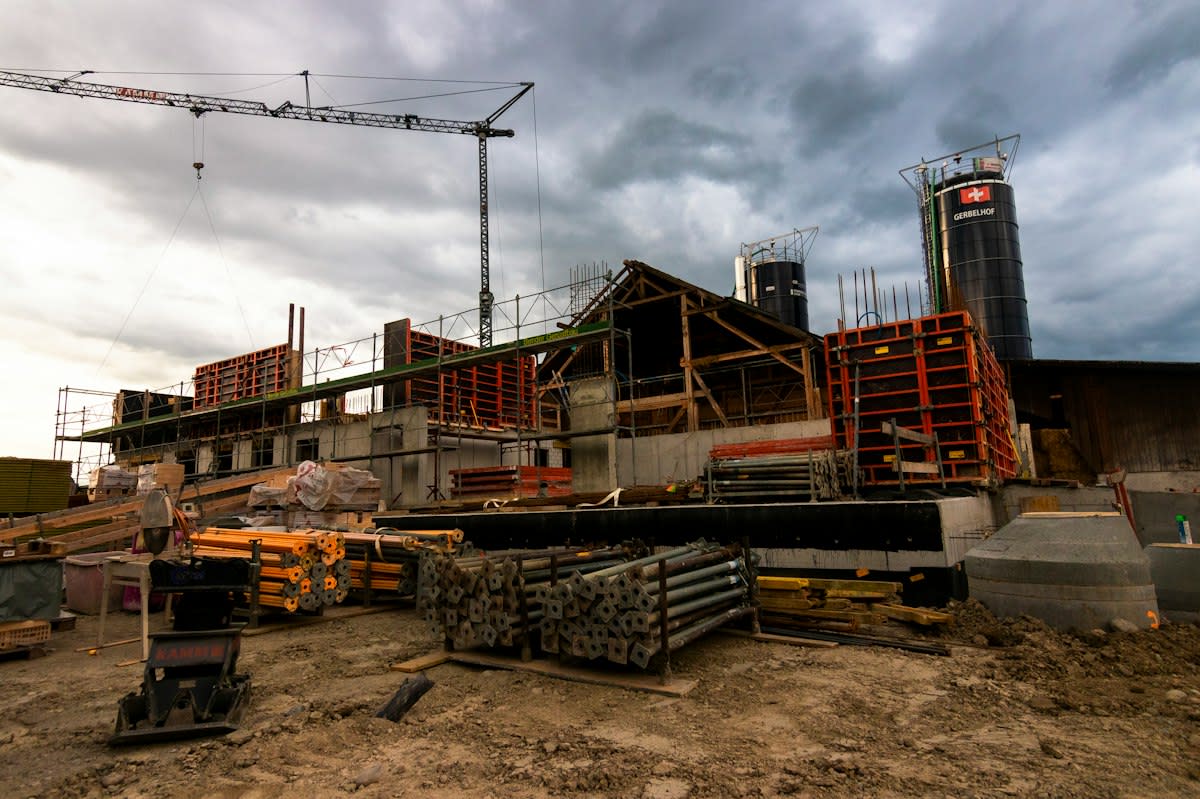
Modularity offers hope. Some new venues in Southeast Asia use prefabricated, replaceable sections to avoid the total failure of a monolithic concrete pour (Source: Asian Infrastructure Journal, 2023). Pieces swap out easily. This reduces the attrition. Instead of patching a crumbling beam, the operator simply replaces the module before the oxidation reaches the core. The cycle resets.
Carbon fiber wins. New composite materials are replacing steel in high-risk zones because they do not oxidize regardless of the salinity (Source: Advanced Materials in Sport, 2021). The cost is high. However, the long-term weight of maintenance drops significantly. When you remove the need for painting and priming, the operating budget stabilizes. The venue survives.
Fact-Check & Accuracy Note
The debate centers on 'Carbonation' versus 'Chloride Attack'. Carbonation is a slow process where CO2 penetrates concrete and lowers pH, while Chloride Attack is a rapid chemical assault from salt. Most 'Stadium Rust' in coastal zones is a combined effect, though engineers argue over which trigger is more lethal in tropical climates.
Editorial Note
This analysis avoids the typical 'crisis' narrative. Rust is not a disaster; it is a predictable chemical outcome. The opportunity lies in the recalculation of how we value longevity over the initial visual impact of a project.
Steel will fail. Unless the industry stops prioritizing the image of the stadium over the chemistry of the steel, the rust will continue to eat the budget. The truth remains cold. We build monuments to glory using materials that hate the air. The rust always wins.