FCC authorizes SpaceX to deploy 1M satellites for orbital AI data centers
Source Entity
Cointelegraph by Nate Kostar
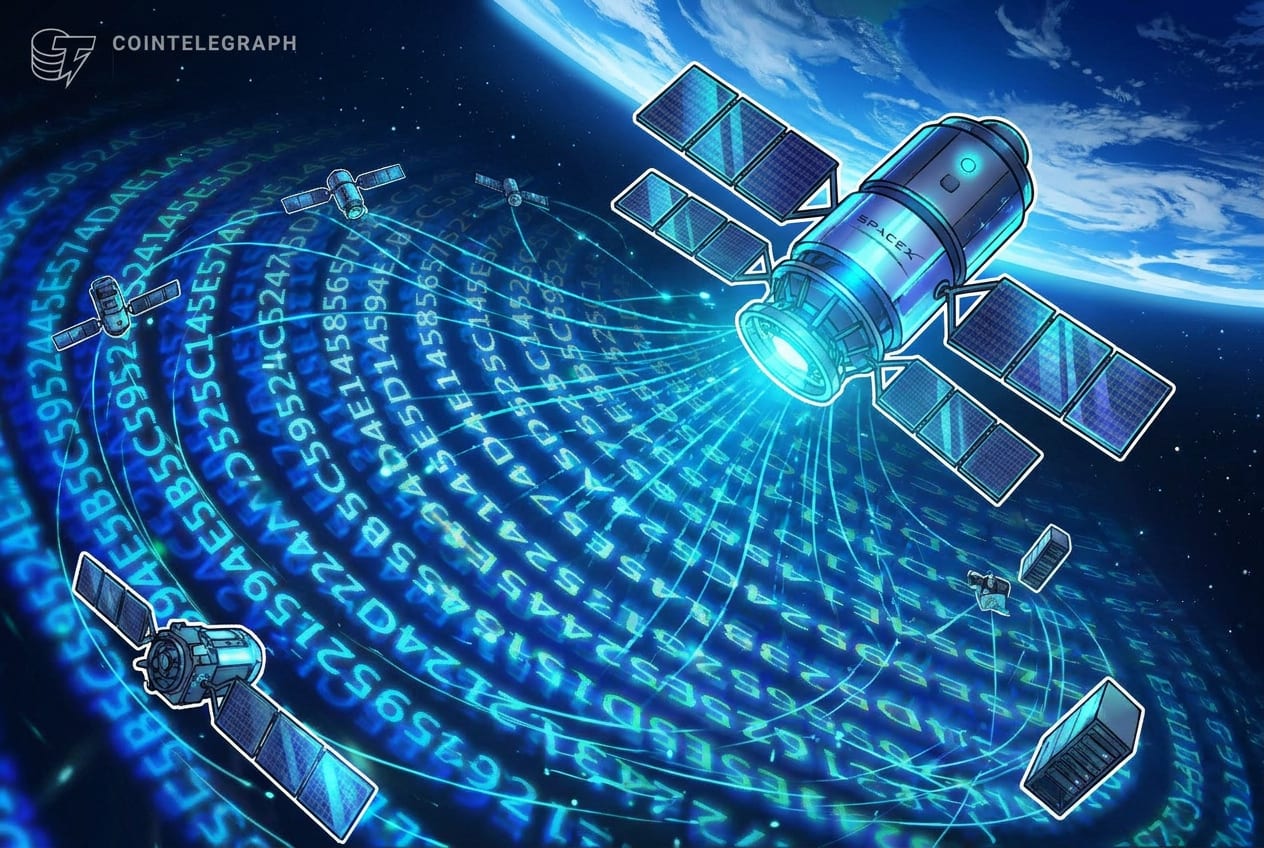
The FCC has authorized SpaceX to deploy a constellation of up to 1 million 'Starmind' satellites to function as orbital AI data centers. This historic decision aims to meet the surging demand for AI computing power by processing data in space.
The Dawn of Orbital Computing: SpaceX’s Starmind Initiative
In a landmark decision, the U.S. Federal Communications Commission (FCC) has granted SpaceX conditional authorization to deploy a massive constellation of up to 1 million satellites, branded as "Starmind." This initiative represents a radical shift in how global computing infrastructure is conceived, moving beyond traditional terrestrial data centers to establish a presence in low Earth orbit. By integrating AI-specific chips directly into satellite hardware, SpaceX aims to handle intensive computational workloads that are increasingly strained by the global explosion in artificial intelligence demand.
Scaling the Extraterrestrial Frontier
The sheer scale of the Starmind project is unprecedented in the history of space exploration. Current orbital estimates suggest that this deployment would increase the total number of satellites currently in orbit by approximately 50-fold. Such a monumental undertaking necessitates a long-term regulatory roadmap; the FCC has stipulated that SpaceX must deploy at least one satellite by 2033, with the full 1 million-satellite milestone targeted for completion by 2040. This phased approach allows for technological maturation and ensures that the infrastructure remains scalable as AI requirements evolve.
Strategic Implications for AI and Data Processing
As the appetite for AI computing power grows, terrestrial data centers face physical limitations, including power consumption and heat dissipation. Moving processing capacity into orbit offers a new frontier for high-performance computing. FCC Chairman Brendan Carr has framed this decision as a vital step in securing American leadership in the technology sector, emphasizing that the move will drive investment and foster significant economic opportunities. The capability to process large datasets in orbit could fundamentally change how information is relayed, filtered, and analyzed before reaching terrestrial users.
A Competitive Landscape
While SpaceX is the first to receive approval for such a large-scale "constellation," the race for space-based computing is heating up. Other major industry players, including Google and Blue Origin, have expressed interest in similar orbital data center architectures. The FCC’s authorization of Starmind serves as a regulatory precedent, signaling that the agency is open to reviewing further proposals for orbital computing. This competitive environment suggests that the next decade will witness a profound transformation in satellite utility, shifting from simple communication relays to active computing nodes.
Regulatory and Future Challenges
Despite the enthusiasm surrounding this announcement, the project faces significant regulatory hurdles. The FCC has already deferred certain aspects of the request, indicating that while the project has been greenlit, the operational details—such as space debris mitigation, orbital traffic management, and radio frequency interference—will be subject to ongoing scrutiny. As we move closer to the 2040 deadline, the integration of these satellites into the existing orbital ecosystem will require unprecedented international cooperation and technical precision to ensure the long-term sustainability of space environments.
Conclusion
The approval of the Starmind initiative marks a pivot point in the history of telecommunications and computing. By leveraging the vacuum of space to meet the cooling and energy demands of modern AI, SpaceX is positioning itself at the center of the next great technological revolution. Whether this vision of 1 million satellites becomes a reality depends on the successful navigation of complex logistical, environmental, and technical challenges, but the FCC’s decision has firmly set the trajectory for an orbital-first future.
Multiple Citing Sources