Ars Live recap: Don’t expect military attacks on data centers to stop
Source Entity
Jeremy Hsu
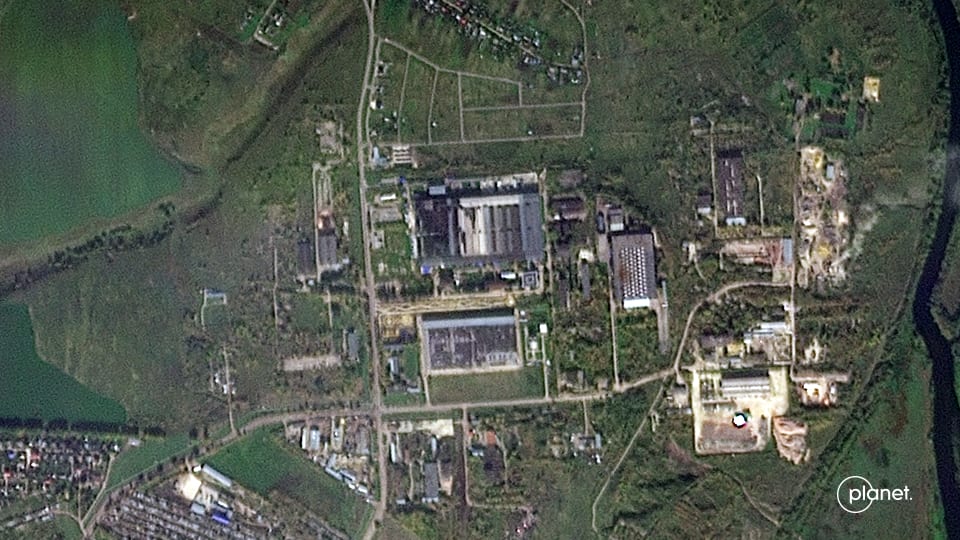
Recent military strikes on data centers in the Middle East and Ukraine signal a dangerous shift in modern warfare. Experts warn that the dual-use nature of cloud infrastructure makes it an inevitable target, threatening global digital stability.
The New Frontline: Data Centers as Military Targets
The recent military attacks on Amazon data centers in the Middle East and the reciprocal drone strikes between Russia and Ukraine against cloud infrastructure mark a grim turning point in contemporary geopolitics. For the first time, critical digital infrastructure—the backbone of modern global society—has been directly engaged as a primary kinetic target in wartime. This shift signifies that the traditional separation between civilian infrastructure and military assets is rapidly dissolving.
The Doctrine of Dual-Use Infrastructure
At the core of this vulnerability is the concept of 'dual-use.' As Joseph Jarnecki of the Royal United Services Institute highlighted, public cloud data centers are no longer just repositories for private consumer data; they are integral to the command, control, and logistical operations of modern governments and militaries. By hosting sensitive state data and communications, these facilities have effectively transitioned from protected civilian entities to strategic military assets in the eyes of belligerent nations.
Escalation and Kinetic Warfare
The unprecedented nature of drone strikes targeting these facilities suggests that militaries have identified cloud infrastructure as a 'soft' yet high-impact target. Unlike traditional military bases, data centers are often geographically dispersed and require massive, continuous power and cooling, making them difficult to harden against sophisticated drone incursions. The Russian-Ukrainian conflict, in particular, has demonstrated that the destruction of servers can lead to immediate information blackouts, severely hindering an opponent's ability to coordinate operations.
Broader Implications for Global Stability
The implications of these attacks extend far beyond the immediate theaters of conflict. Because the global cloud ecosystem is deeply interconnected, the destruction of a data center in one region can trigger cascading service outages across the globe. This creates a systemic risk where localized warfare can destabilize the digital economy of neutral nations. The reliance of all modern societies on these cloud services means that the 'digital front' is now as volatile as any physical border.
Future Trends in Digital Security
Looking ahead, it is highly likely that data centers will become the most fortified civilian structures on the planet. We can expect a rapid shift toward decentralized cloud architectures, where data is fragmented across thousands of smaller, mobile, or hardened units to prevent a single drone strike from causing a catastrophic failure. Furthermore, international law may soon need to address whether the deliberate destruction of cloud infrastructure constitutes a war crime, given the disproportionate impact it has on civilian life and essential services.
Conclusion
As military technology continues to outpace current defensive measures, the sanctity of the cloud is being permanently redefined. The realization that data centers are viable targets is not a temporary trend but a new reality of 21st-century warfare. Protecting the digital infrastructure that powers modern civilization will require a fundamental rethinking of both cybersecurity and international security policy.