Government ‘jealous’ that 27-year-old invited to Oxford: Dipke on Das being stopped from flying to U.K.
Source Entity
India Latest News: Top National Headlines Today & Breaking News | The Hindu
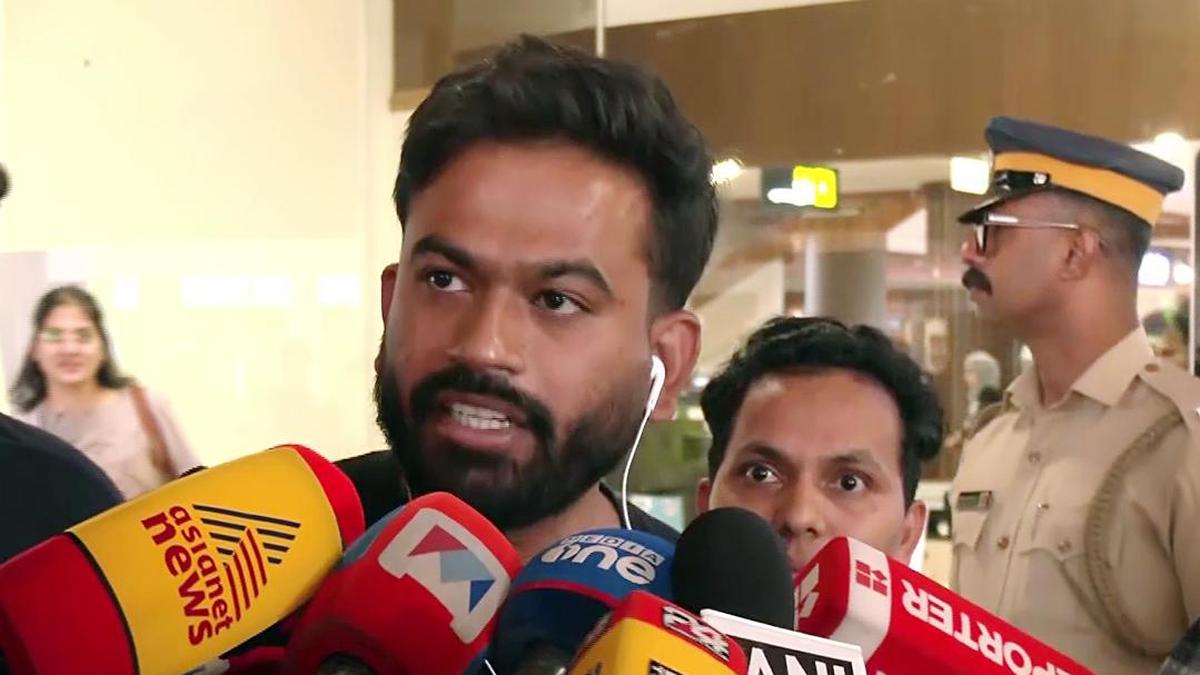
Cockroach Janta Party (CJP) leader Saurav Das has moved the Delhi High Court after being barred from flying to the U.K. for an Oxford University event. Party founder Abhijeet Dipke alleges the government is suppressing international exposure of its policy failures.
The Travel Ban Controversy: CJP Leader Saurav Das vs. The State
The recent incident involving Saurav Das, a co-convenor of the Cockroach Janta Party (CJP), has ignited a significant debate regarding the boundaries of state authority and the fundamental right to travel. On November 24, 2026, Das was reportedly stopped by immigration authorities at Delhi’s Indira Gandhi International Airport while attempting to board a flight to the United Kingdom. His stated purpose for travel was to participate in an academic engagement at the University of Oxford, where he was slated to discuss the 'cockroach movement' and the influence of Ambedkarite and Gandhian philosophies on his party’s political platform.
Allegations of Political Suppression
Abhijeet Dipke, the founder of the CJP, has been vocal in his condemnation of the government's actions. Drawing a sharp contrast between the treatment of high-profile financial fugitives like Vijay Mallya, Nirav Modi, and Mehul Choksi—who were able to leave the country despite facing serious allegations—and that of a 27-year-old legal journalist, Dipke has accused the state of selective enforcement. According to the CJP leadership, this travel restriction is not a matter of standard security protocol but rather an attempt to preemptively silence dissent and prevent the international dissemination of critical perspectives regarding the current government's performance.
Legal Recourse and Judicial Intervention
The legal battle has moved quickly to the Delhi High Court. Represented by advocate Krishnesh Bapat, Das has challenged the lack of transparency surrounding his detention at the airport, specifically noting that no official order was presented to justify the travel ban. On Wednesday, November 25, the matter was mentioned before a division bench comprising Acting Chief Justice Nitin Wasudeo Sambre and Justice Sanjay Sharma. Although the legal team pushed for an immediate hearing to ensure Das could still reach London for his scheduled lecture, the court scheduled the formal hearing for November 26.
Broader Implications for Civil Liberties
This incident highlights a growing tension between national security apparatuses and the freedom of movement for political activists. When the state prevents individuals from sharing their views on international stages, it raises critical questions about the nature of democratic accountability. The CJP’s assertion that the government fears the exposure of 'ground realities' suggests that the state views international academic and political discourse as a direct threat to its domestic narrative. This case serves as a barometer for the current climate of civil liberties in India, particularly regarding how emerging political movements are treated by administrative authorities.
Future Trends in Political Dissent
The outcome of the proceedings in the Delhi High Court will likely set a significant precedent. If the court finds that the government acted without due process, it could curtail the arbitrary use of 'Look Out Circulars' or similar administrative bars on travel for political figures. Conversely, a ruling in favor of the state’s discretion could embolden authorities to further restrict the movement of activists under the guise of national interest. As the CJP continues to mobilize, the international community will be watching closely to see how the judiciary balances the government’s executive powers with the constitutional rights of its citizens to travel and engage in global discourse.
Multiple Citing Sources
Verification Required?