US Proposes 25% Tariffs On India. Centre Says "Notice Under Examination"
Source Entity
NDTV News Search Records Found 1000
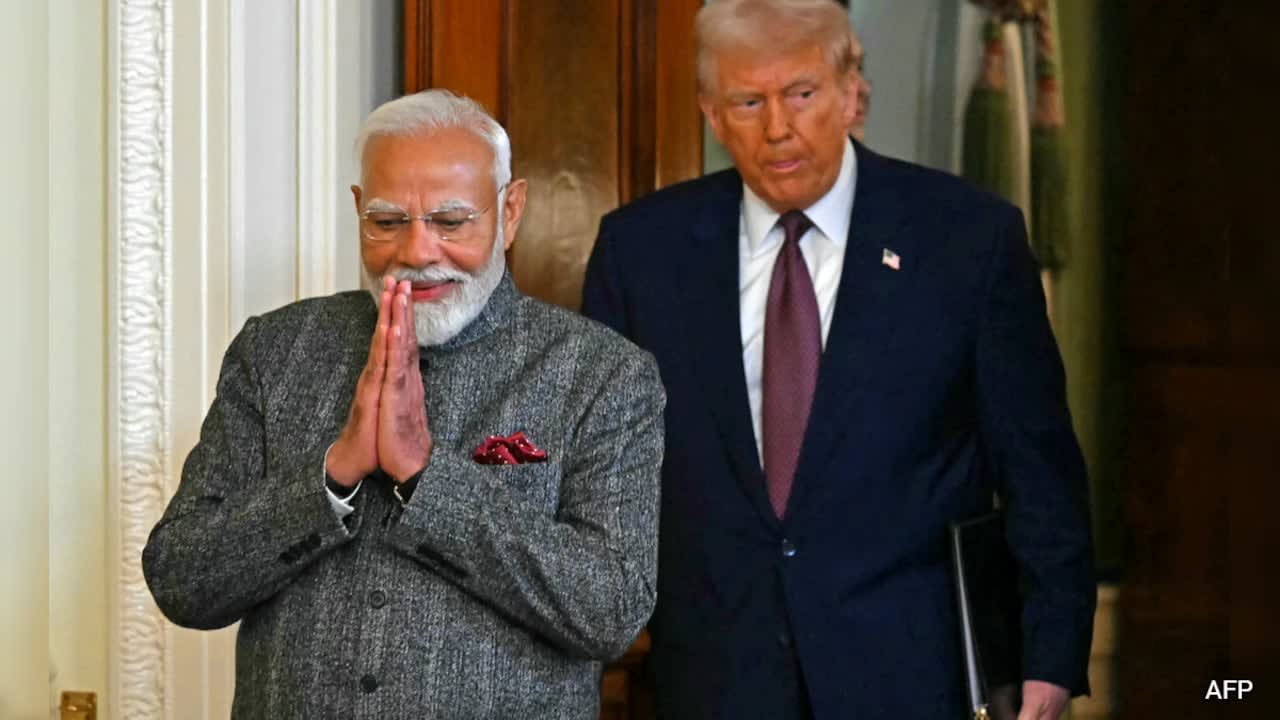
The Trump administration is preparing new tariffs on 16 major trading partners, including China, the EU, India, and Japan, to address alleged excess industrial capacity. These measures follow a Section 301 investigation and aim to replace previous levies struck down by the Supreme Court.
Escalating Trade Protectionism: The New Tariff Strategy
The Trump administration is reportedly on the verge of announcing a significant expansion of its protectionist trade agenda, targeting 16 major global economies. By utilizing the investigative authority granted under Section 301 of the Trade Act of 1974, the administration aims to penalize nations it claims are facilitating structural excess industrial capacity. This move signals a deliberate, aggressive shift in U.S. trade policy, prioritizing domestic manufacturing protection over traditional international trade cooperation.
Targeting Global Partners
Among the nations facing these new levies are major economic powers including China, the European Union, Japan, and India. The administration asserts that these countries contribute to global overcapacity, which in turn burdens U.S. commerce. By framing these tariffs as a response to unfair or discriminatory trade practices, the White House is seeking to justify a policy that directly challenges the current global supply chain framework.
Legal and Economic Context
This announcement arrives at a critical juncture, following a February Supreme Court ruling that struck down several of the administration’s previous global import taxes. The current proposal appears to be a strategic pivot, designed to circumvent previous judicial hurdles while maintaining the administration’s core "America First" economic philosophy. However, the economic reality remains complex; previous rounds of tariffs have been directly linked to increased costs for American consumers, a trend that may continue as these new duties are implemented.
The China-US Trade Truce
Central to this development is the delicate state of U.S.-China relations. Despite an existing truce between President Trump and President Xi Jinping, the administration remains undeterred by the prospect of rising trade tensions. Reports suggest that while tariffs on Chinese goods may remain within the previously agreed-upon range, the sheer scale of China's projected $1 trillion trade surplus in 2026 underscores why this sector remains the primary focus of the administration’s protectionist efforts.
Political Resilience and Future Implications
Notably, this policy shift persists despite significant electoral setbacks suffered by the Republican Party in recent midterm elections. The administration’s willingness to double down on tariffs suggests that the political mandate for trade protectionism remains a core pillar of their governance, regardless of external political pressure. Moving forward, the global market can expect a period of heightened uncertainty, as the 14 to 16 targeted nations navigate the impact of these levies on their respective manufacturing sectors and broader economic stability.
Multiple Citing Sources
Verification Required?