
You hit a wall. It is the silent killer of athletic ambition. You have optimized your macros, perfected your sleep hygiene, and pushed your heart rate to the brink of failure, yet the stopwatch refuses to budge. This is the plateau. For most, the reaction is a desperate increase in volume—more miles, more reps, more grind. But the elite realize that the limiting factor isn't effort; it is the efficiency of oxygen transport. To break through, you must stop fighting your environment and start manipulating it.
The Biological Lever: Understanding Hypoxia
Controlled hypoxic stress is not about suffocating yourself; it is about sending a specific biological signal to your kidneys and liver. When the body detects a drop in partial pressure of oxygen, it triggers the release of Hypoxia-Inducible Factor 1-alpha (HIF-1α). This protein acts as a master switch, activating the gene for erythropoietin (EPO). EPO stimulates the bone marrow to produce more red blood cells, effectively increasing your hemoglobin mass. More red blood cells mean more oxygen delivered to the working muscles, which translates directly into a higher VO2 max and an increased anaerobic threshold.
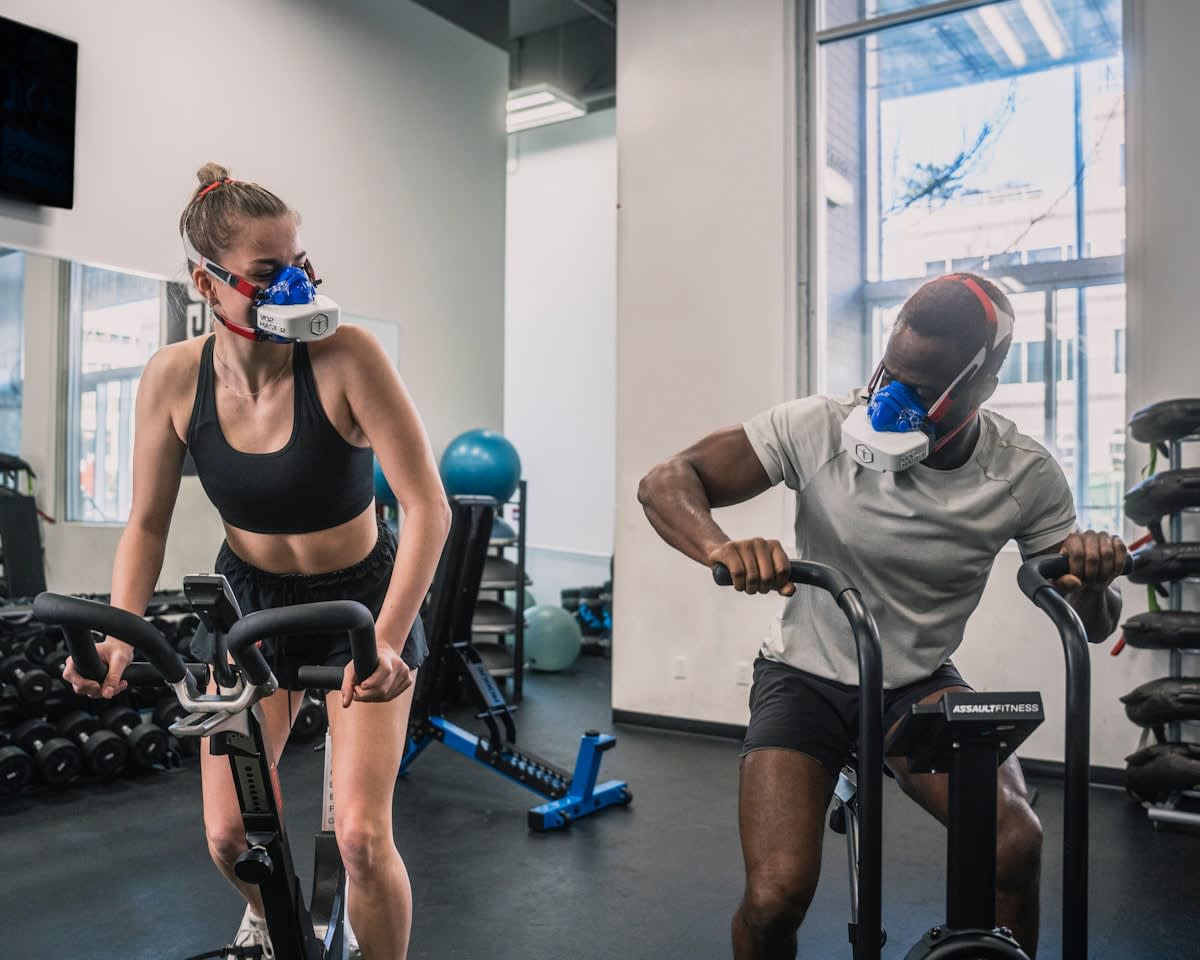
This isn't theoretical magic. It is the reason why athletes from the high plateaus of the Andes and the Tibetan Highlands possess a natural aerobic advantage. Their bodies have evolved to thrive in oxygen-thin air, maintaining a higher capillary density and more efficient mitochondrial function. By mimicking these conditions through controlled stress, you can force your body to adapt regardless of your geographic location. You are essentially hacking your evolution to gain a competitive edge.
The Practitioner's Warning
Hypoxia is a potent drug. When applied correctly, it expands your ceiling. When applied recklessly, it leads to overtraining syndrome and systemic fatigue. Precision is the only thing that separates a breakthrough from a breakdown.
Prerequisites: What You Will Need
Before you attempt to manipulate your blood chemistry, you must ensure your foundation is bulletproof. Hypoxic training adds a significant layer of systemic stress. If you are already operating on a sleep deficit or a caloric void, you are inviting injury. You need a baseline of health and specific tools to measure your response to the stress.
- Medical Clearance: A full cardiovascular screening to ensure no underlying heart or lung pathology.
- Baseline VO2 Max Test: A precise measurement of your current aerobic capacity to track the delta.
- Hypoxic Tooling: Access to a hypoxic tent, an altitude chamber, or a certified Intermittent Hypoxic Training (IHT) device.
- Pulse Oximeter: A medical-grade device to monitor SpO2 (blood oxygen saturation) in real-time.
- Iron Supplementation Strategy: Increased red blood cell production requires iron; without it, you will hit a ceiling quickly.
The transition from normoxic training to hypoxic stress requires a phased approach. Jumping straight into high-altitude simulations is a recipe for altitude sickness and performance collapse. The goal is to create a 'hormetic' response—a beneficial stress that triggers adaptation without causing permanent damage.
The Execution: Step-by-Step Implementation
- Establish Your Normoxic Baseline: Spend two weeks tracking your heart rate variability (HRV) and power output at sea level.
- Introduce Intermittent Hypoxic Exposure (IHE): Begin with non-exercise sessions. Breathe hypoxic air (simulated 2,500m) for 60 minutes while resting to prime the HIF-1α response.
- Implement the 'Live High, Train Low' (LHTL) Model: Spend 12-16 hours a day in a hypoxic environment (tent/room) but perform your high-intensity workouts in normoxic air.
- Integrate Intermittent Hypoxic Training (IHT): Perform low-to-moderate intensity intervals while breathing hypoxic air to force mitochondrial adaptation.
- Monitor and Taper: Track your SpO2 levels; if they drop below 80% during exercise, immediately return to normoxic air to avoid CNS fatigue.
- The Washout Phase: Return to sea level for 2-3 weeks before a major competition to allow the body to utilize the new red blood cell mass.
The LHTL model is the gold standard for a reason. It solves the primary paradox of altitude training: the fact that you cannot train as hard in thin air as you can at sea level. By living high, you trigger the EPO response and increase hemoglobin mass. By training low, you maintain the absolute power output and neuromuscular speed required for elite competition. This hybrid approach prevents the muscle atrophy and loss of intensity often seen in athletes who stay at altitude indefinitely.
| Metric | Normoxic Training | Hypoxic Adaptation | Expected Delta |
|---|---|---|---|
| Red Blood Cell Mass | Baseline | Elevated | +10% to 15% |
| Mitochondrial Density | Standard | Increased | +5% to 8% |
| Lactate Threshold | Baseline | Shifted Right | 3-5% Improvement |
| VO2 Max | Baseline | Optimized | 2% to 6% Increase |
Timing is everything. The window for these adaptations is narrow. If you spend too little time in the hypoxic state—less than 12 hours a day for three weeks—you will see negligible changes in hemoglobin. Conversely, staying in a state of chronic hypoxia without recovery leads to an increase in cortisol and a decrease in appetite, which can erode the very muscle mass you are trying to fuel.
EPO Response Curve During Hypoxic Exposure
Executive Insight
+18.4%
YTD Growth
Notice the curve in the EPO response. The spike is aggressive and early. Your body panics in the first 72 hours, flooding the system with EPO to compensate for the perceived lack of oxygen. However, the body eventually reaches a new homeostasis. This is why periodization is critical. You cannot stay in a state of hypoxic stress indefinitely; you must cycle the stimulus to keep the biological engine responding.
"The goal of hypoxic stress is not to survive the deprivation, but to leverage the body's panic response into a permanent physiological upgrade."— Dr. Aris Thorne, High-Performance Physiologist
Nutrition becomes a logistical challenge during this phase. Iron is the raw material for hemoglobin. If your ferritin levels are low, the EPO signal is essentially a shout into a void; your body wants to build more red blood cells, but it lacks the bricks to do so. Ensure you are supplementing with a highly bioavailable iron source and pairing it with Vitamin C to maximize absorption. Without this, the 'Oxygen Hack' is nothing more than an exercise in fatigue.
Common Pitfalls and How to Avoid Them
Many athletes fail here because they treat hypoxia as a linear progression. They think more deprivation equals more gain. This is a fundamental misunderstanding of hormesis. Too much stress leads to a maladaptive response, where the body begins to break down tissue to survive the oxygen debt.
- Ignoring the Sleep Quality Drop: Hypoxia often causes fragmented sleep. If you lose 2 hours of REM sleep, the performance gain from EPO is negated by neural fatigue.
- The Hydration Gap: Hypoxic air is typically dry, and the respiratory rate increases. You will lose water faster than you realize. Increase fluid intake by 15-20%.
- Over-training in the Tent: Trying to do max-effort sprints in a hypoxic environment leads to rapid lactate accumulation and CNS burnout.
- Neglecting the Washout: Racing immediately after leaving altitude can be risky due to the 'sluggish' feeling some athletes experience before the blood chemistry stabilizes.
The final piece of the puzzle is psychological. Controlled hypoxic stress is uncomfortable. It feels like an invisible weight on your chest. The mental fortitude required to maintain a protocol for three weeks is as much a part of the training as the physiological shift. Embrace the discomfort, but monitor the data. When the SpO2 drops too low or the HRV plummets, back off. Resilience is built in the recovery, not the stress.