#humanoid robotics
Discover 14 curated intelligence briefings related to this specific topic.
Bipedal Robots are Replacing the Forklift in Dense Logistics Hubs
The logistics industry is abandoning the rigid requirements of forklift-centric warehouses. Bipedal robots are now entering pilot phases in global hubs, offering a level of spatial flexibility and dexterity that traditional machinery cannot match.
Humanoid Robots Just Stopped Being Science Fiction in the Warehouse
While the world watched clumsy demos, a quiet convergence of Large Behavior Models and high-torque actuators has pushed humanoid robotics past the threshold of economic viability in global logistics hubs.

Humanoid Pilots are Breaking the Warehouse Geometry Wall
The transition from specialized automation to general-purpose humanoid robotics is no longer a theoretical exercise. With the integration of Vision Language Models and real-world pilot deployments at BMW and Amazon, the 'geometry wall' of the unstructured warehouse is finally crumbling.
Rigid Steel is a Dead End for Humanoids
Industry leaders are abandoning the motor-at-every-joint approach in favor of synthetic tendons and elastic actuators. This shift solves the energy wall and safety dilemmas that have plagued humanoid development for a decade.

The Labor Arbitrage is Ending in the Mekong Delta
A sudden pivot in humanoid robotics is shifting the center of gravity from Silicon Valley labs to the industrial zones of Thailand and Vietnam, driven by a demographic cliff and the failure of traditional automation.
General Purpose Humanoids Just Rendered Fixed Automation Obsolete
Global logistics is abandoning the multi-million dollar rigid infrastructure of the last decade. In its place, general-purpose humanoid robots are proving that flexibility is a more valuable asset than raw, single-task speed.

Hard Steel Outlasts Soft Code
Forget the software hype. Real industrial AI depends on Intel Core Ultra silicon that doesn't melt and humanoid robots that can actually sort parts in a Spartanburg plant without seizing up.
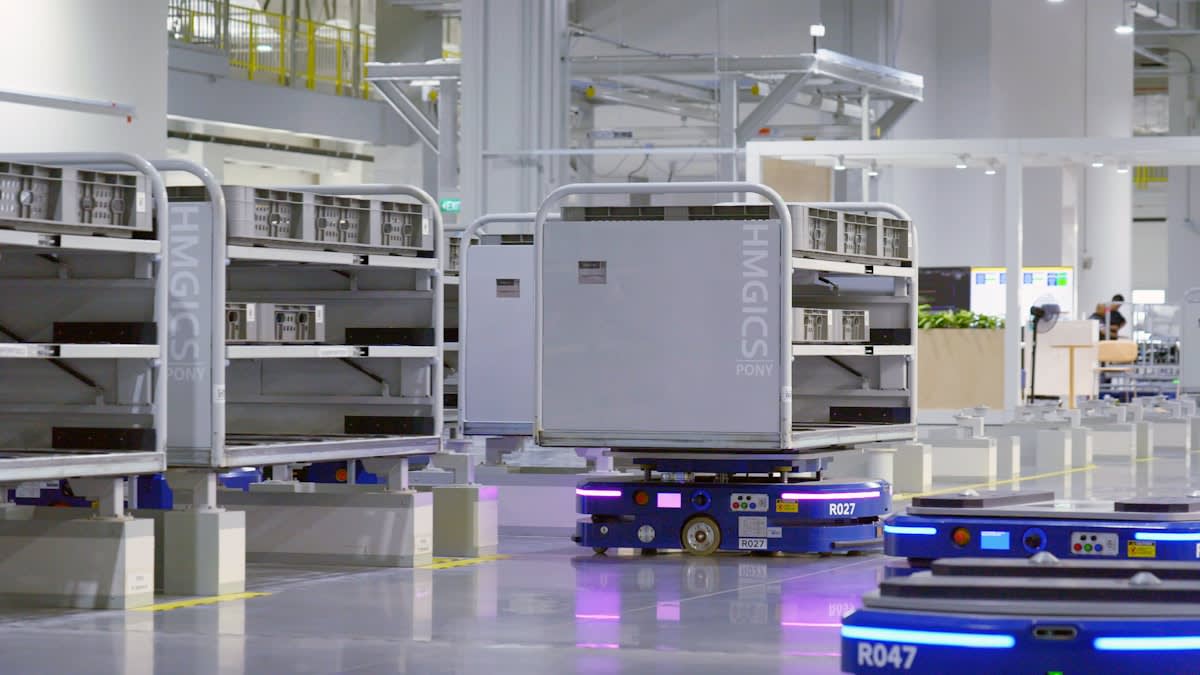
Humanoids Eat Floor Space
Deploying humanoid robots isn't a software update. It is a grueling fight against gravity and network lag, where a single seized joint or a subsea cable outage kills production.
Physical AI Now Dictates Supply Chain Speed
June 2026 marks the transition of humanoid robotics from experimental pilots to operational sequencing. BMW, the South Korean government, and the US Army are now deploying physical AI to solve the last-mile handoff problem.

Physical AI Hits the Hard Wall of Reality
Late June 2026 marks a collision between generative ambition and physical friction. As China accelerates humanoid deployment to counter demographic collapse, the industry is pivoting toward Physical AI 2.0 to solve the critical gap in state recovery.
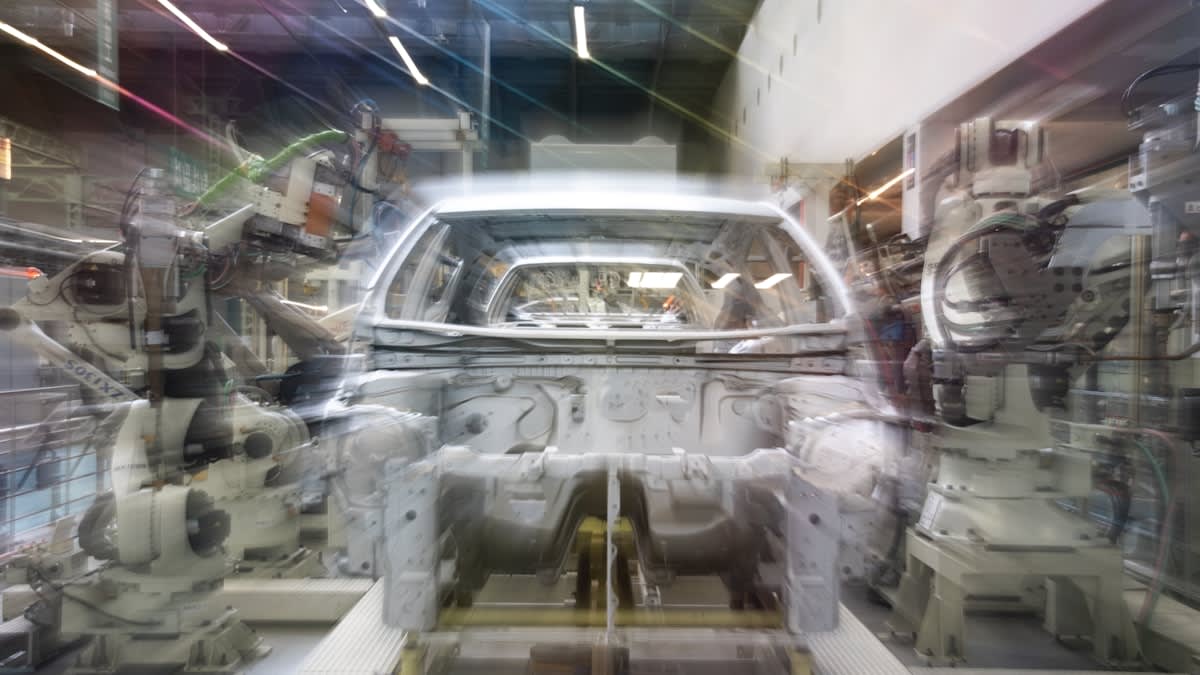
Hardware Scale-Up Outpaces AI Reasoning
The industrial robotics sector has hit a tipping point. While software struggles with physical state recovery, companies like Agibot and BMW are pushing humanoid hardware into mass deployment to hedge against labor collapses.
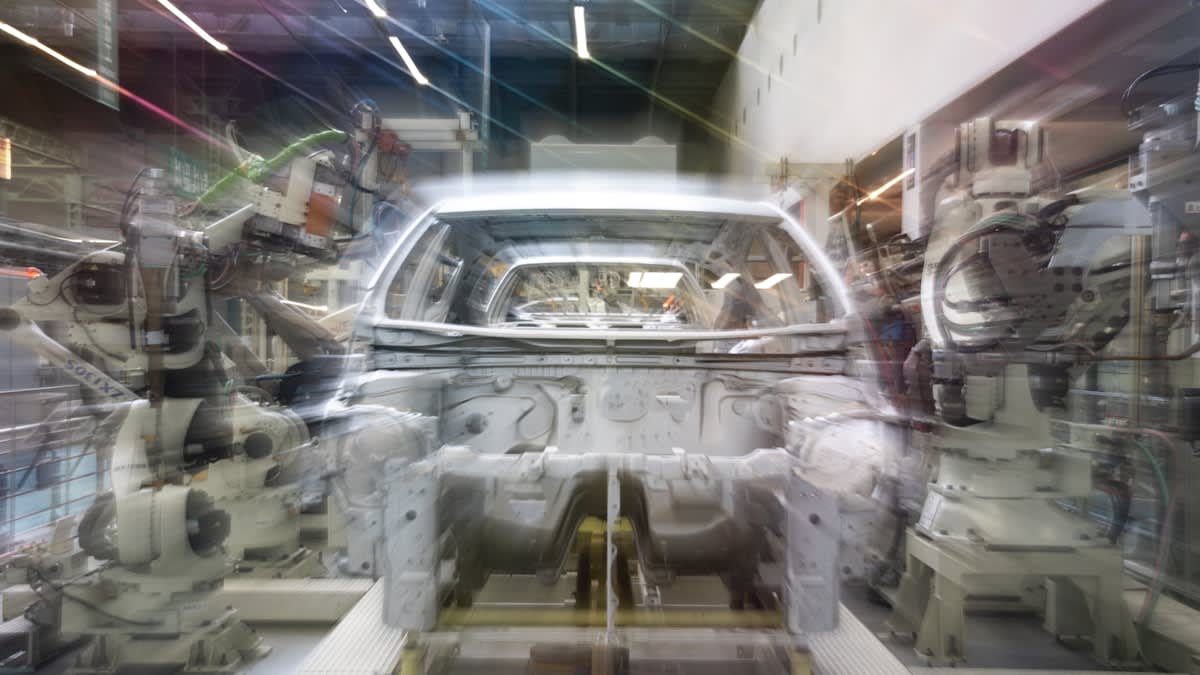
Stop Waiting for the Future: Humanoids Are Already on the Clock
While the internet obsesses over dancing robots, industry giants like BMW and Chinese manufacturers are deploying humanoids to solve labor shortages. This isn't a pilot program anymore; it's a race for operational efficiency.

Stop Dreaming of Sci-Fi: Humanoids Just Hit the Factory Floor
BMW deploys Figure 03, China accelerates robotic labor to fight demographic decline, and JD.com targets 700,000 roles for automation. The humanoid market is no longer a demo; it is a deployment.
Stop Talking About LLMs: Physical AI Just Hit the Factory Floor
While the world obsessed over chatbots, a quiet transition occurred. In June 2026, the focus shifted to Physical AI, with BMW deploying Figure 03 humanoids and Roland Berger projecting a market that could eventually hit $4 trillion.