The End of the Prototype Era
Forget the hype cycles of generative text. In June 2026, the real story is metal. We are seeing a sudden, aggressive move from lab-controlled demos to the grit of the factory floor. This isn't a gradual evolution; it is a coordinated rollout of embodied AI designed to solve one thing: the chronic shortage of skilled labor in high-wage economies.
Look at BMW. They aren't just flirting with the tech. After a successful pilot with the Figure 02 model, the BMW Group is now deploying the Figure 03 humanoid at its Spartanburg plant in South Carolina for sequencing logistics. Meanwhile, in Leipzig, Germany, they are simultaneously testing Hexagon AB's AEON, a wheeled humanoid. This isn't a bet on a single horse; it is an industrial stress test of multiple form factors.
"Plant Spartanburg is the birthplace of humanoid robotics in BMW Manufacturing's operational day-to-day activities."— Ulrich Wieland, Vice President of Production Control and Logistics at BMW Manufacturing

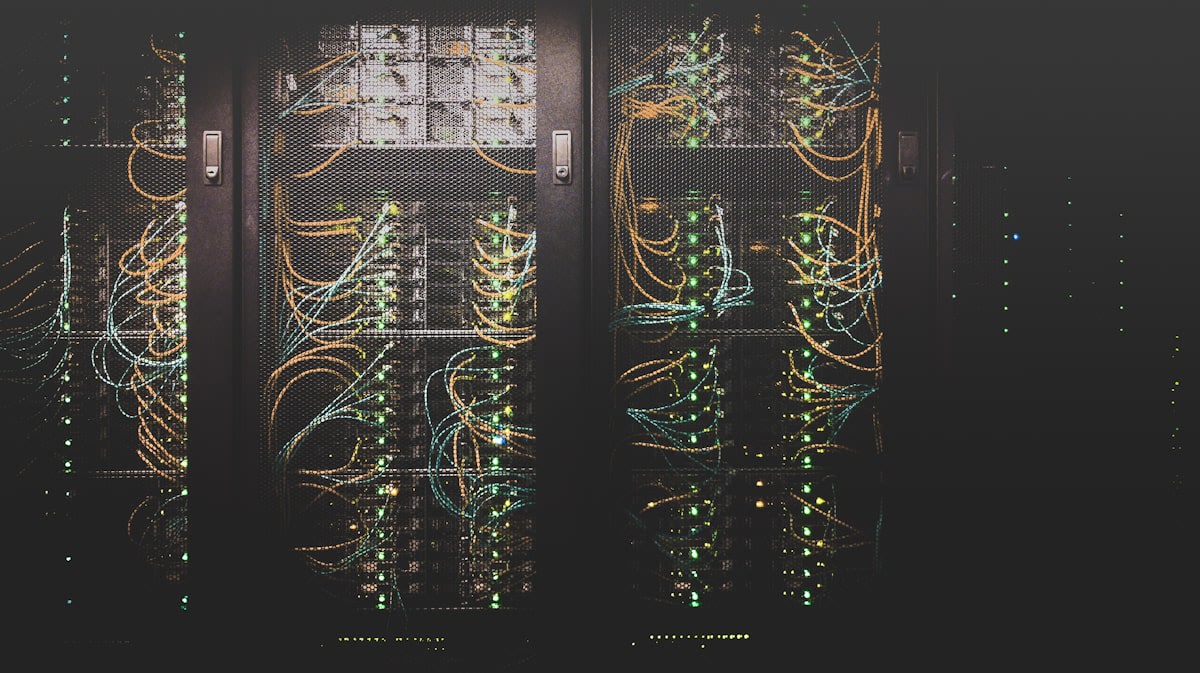
But hardware is a paperweight without the infrastructure to drive it. The current delta between 2025 and 2026 is the move toward sovereign, low-latency computing. You cannot run a high-precision robot on a cloud server three time zones away.
The Infrastructure War: Latency and Sovereignty
Ukraine is playing a high-stakes game here. Kyivstar recently signed an MoU with the Ministry of Economy to build a sovereign AI-ready data center. Why? Because response time is critical for industrial facilities and robotic systems. By keeping data processing within national borders, they aren't just chasing speed; they are securing sensitive defense and financial data from foreign dependencies.
The Sovereignty Factor
Sovereign AI data centers are no longer a luxury for tech giants; they are becoming a prerequisite for national industrial resilience.
While Ukraine builds the foundation, software layers are scaling across borders. MBody AI is expanding its Orchestrator platform into Canada and across eleven U.S. states. Their approach is hardware-agnostic, meaning they provide the command layer for robotic fleets regardless of who built the robot. They've already scaled autonomous floor care for a Fortune 500 hospitality operator, proving that service robotics can move from a gimmick to a line-item efficiency.
Across the Pacific in Beijing, Striding AI is attacking the problem from a systems-first angle. They are developing robotic foundation systems that turn multimodal perception into real-world action. The goal is a machine that learns from experience and improves over time, rather than one that follows a rigid script.
So, what is the actual price of this transition? The numbers coming out of the consultancy world are staggering, though they require a dose of realism.
The Cold Math of Automation
Roland Berger predicts that humanoid robot manufacturing could become a $750 billion market by 2035. In the long term, that figure could balloon to $4 trillion. But the most provocative stat isn't the market cap—it's the operating cost.
| Metric | Projection/Value | Timeline/Scope |
|---|---|---|
| Manufacturing Market | $750 Billion | By 2035 |
| Long-term Market Potential | $4 Trillion | Long-term |
| Estimated Running Cost | $2 per hour | Future Target |
| MBody AI Reach | 11 States + Canada | June 2026 |
A running cost of two US dollars per hour? That is the number that will keep labor unions and policymakers awake at night. Roland Berger describes this as a decisive lever for high-wage countries to safeguard competitiveness. Whether this safeguards the economy or simply suppresses wages is a question for legislators, not engineers.