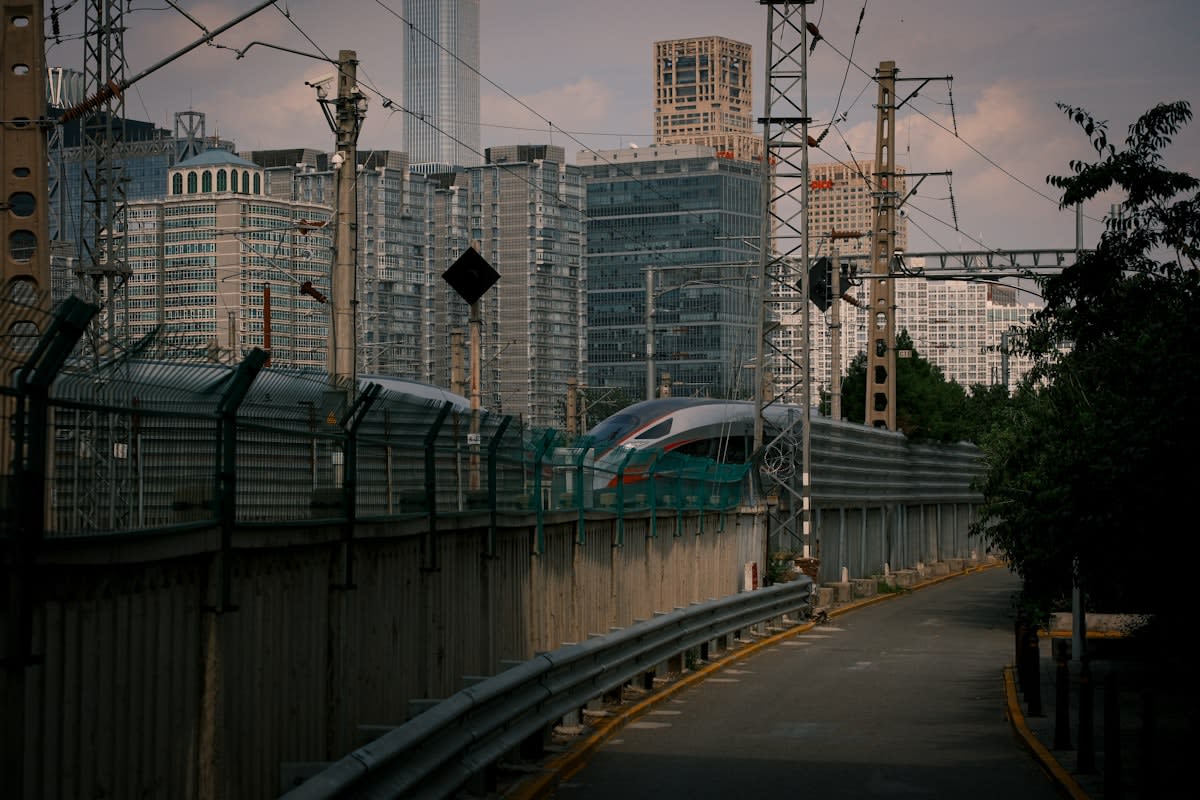
June 2026 marks a collision. Embodied AI is exiting the lab. Hardware is finally catching up to the weights.
Demographic Desperation in Beijing
China faces a shrinking workforce. Government mandates now push humanoid deployment across factories and hotels. This urgency stems from low birth rates and an aging society.
Projected Humanoid Market Valuation (Roland Berger)
Executive Insight
+18.4%
YTD Growth
Market projections ignore the friction of the real world. AGIBOTs rental arm, SHAREBOT, reveals the truth. Viral flipping robots fail in actual labor.
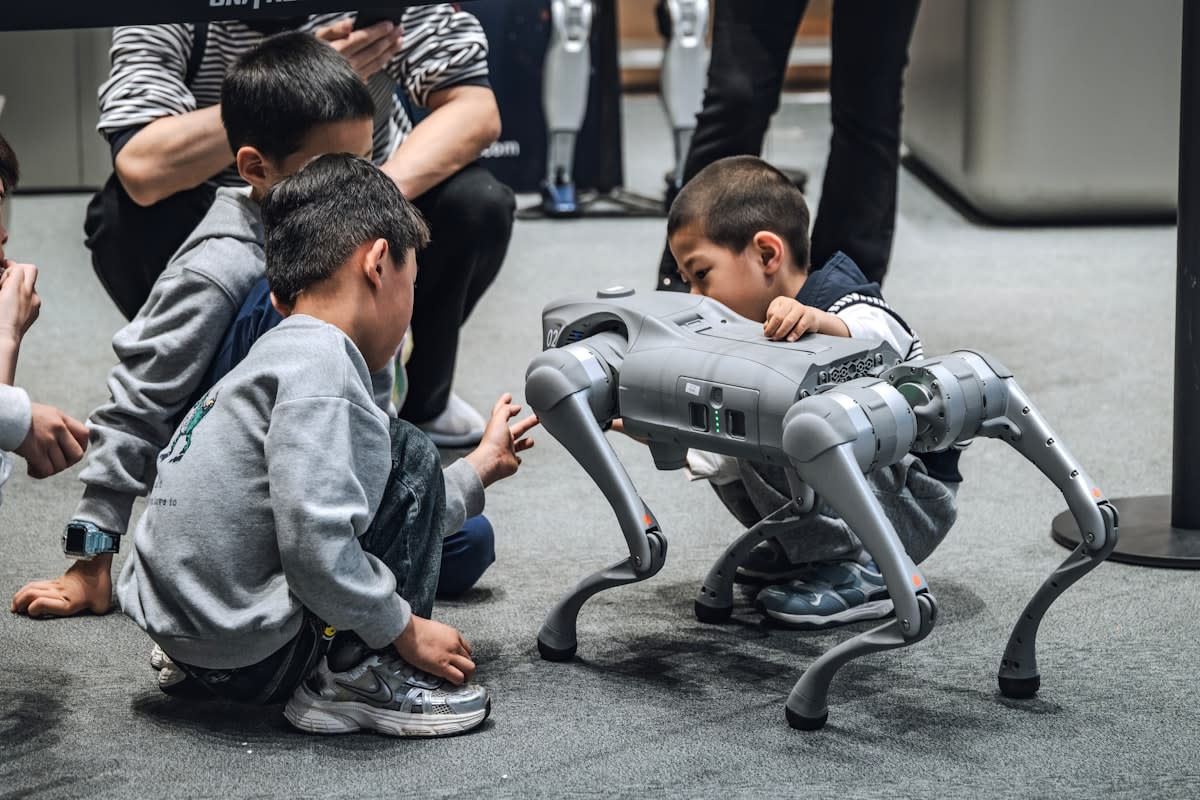
Industrial scale is the only metric that matters now. A Beijing factory targets 10,000 shipments by year-end 2026. Such volume tests the limits of current foundation models.
The Architecture of Physical AI 2.0
Pleasanton based Atomathic identifies the gap. Reasoning is useless without physical state recovery. Noisy signals currently bottleneck higher-level logic.
The New Standard
Physical AI 2.0 replaces simple vision-reasoning loops with a strict sequence: world models, physical state recovery, reasoning systems, and action.
Striding AI attempts a systems-first fix. Their June 28 announcement targets the integration of perception and action data. Scalable service requires this fusion of hardware and software.
Solving the Handoff Problem
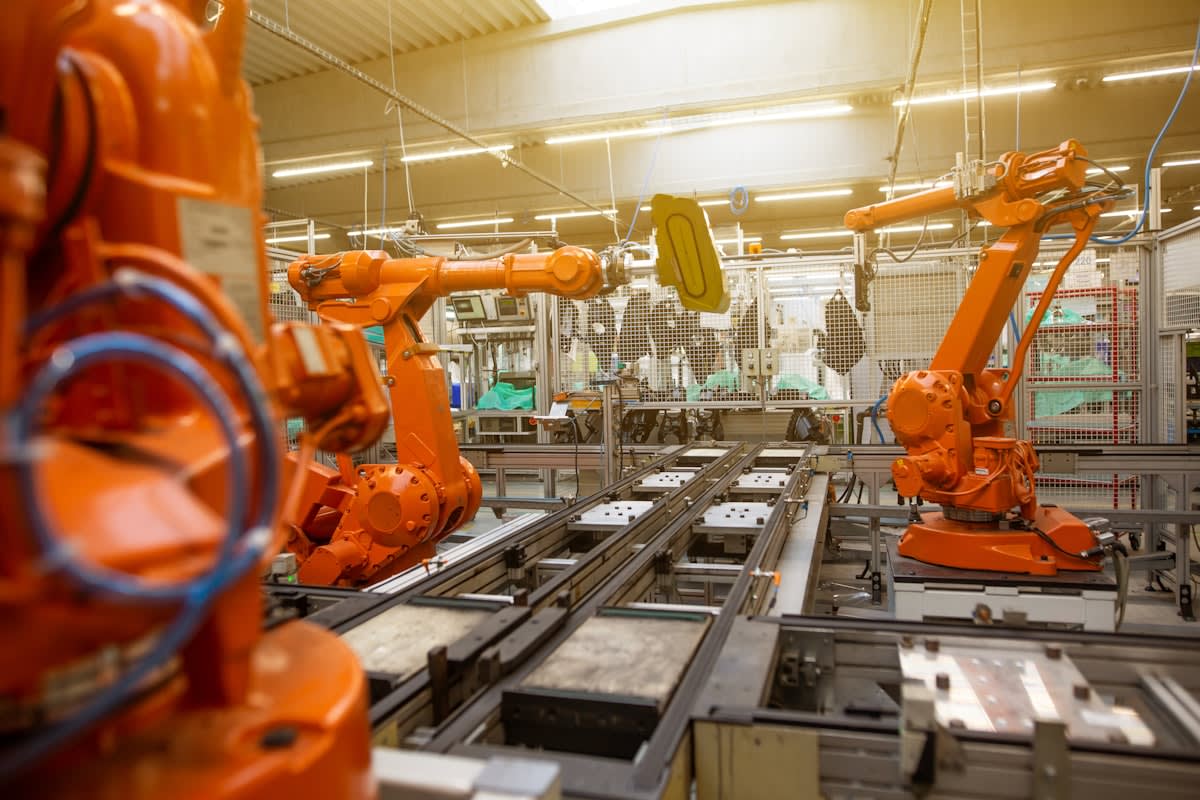
Ambi Robotics and Pickle Robot solved a specific friction point on June 30. Their integrated systems eliminate human handoffs between trailers and pallets. Freight now moves autonomously from truck to floor.
| Metric | Short-term (2026) | Long-term (2030/2035) |
|---|---|---|
| Beijing Production | 10,000 units | 500,000 units |
| Rental Market (SHAREBOT) | $1.5 Billion | N/A |
| Total Market Cap | N/A | $750 Billion - $4 Trillion |
Economic incentives drive this rush. Roland Berger suggests future running costs of two dollars per hour. High-wage countries view this as a competitiveness lever against labor shortages.