The Grid's Silent Hemorrhage
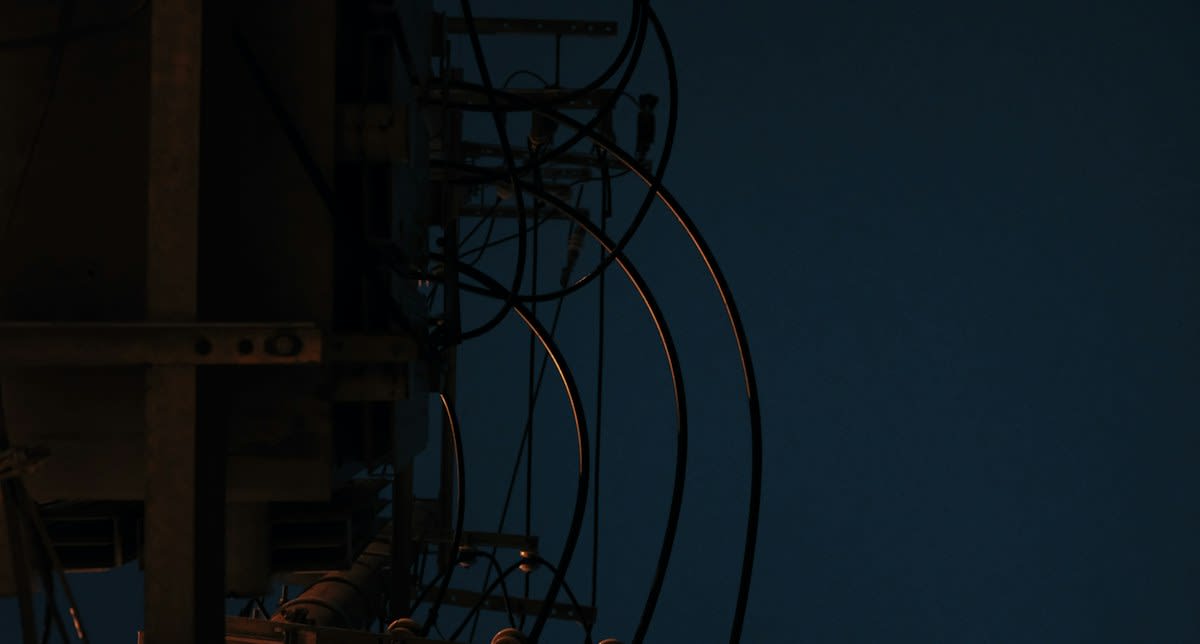
The real collapse starts with the smell of ozone and scorched insulation in the narrow alleys of Dharavi. It is an invisible secondary effect where the surge in data center power demand triggers a cascade of failures in aging urban grids. We see it first in the transformers that leak oil onto cracked pavement, their internals cooking under a load they were never designed to carry. The current spikes. It happens when the load from a nearby edge-compute node slams into a distribution network that has not seen a copper upgrade since the seventies.
Twelve months ago, the industry conversation focused entirely on the H100 chip shortage and the brilliance of CUDA. Now, the delta has shifted from the chip to the cable. We are seeing a brutal pivot where the bottleneck is no longer the intelligence of the model, but the physical conductivity of the red metal. The demand for copper in electrical grids is projected to grow by 3% annually through 2030, but AI is adding an unplanned multiplier to that equation (Source: IEA, 2023). This is not a software patch problem. This is a digging-holes-in-the-dirt problem.
The Conductivity Gap
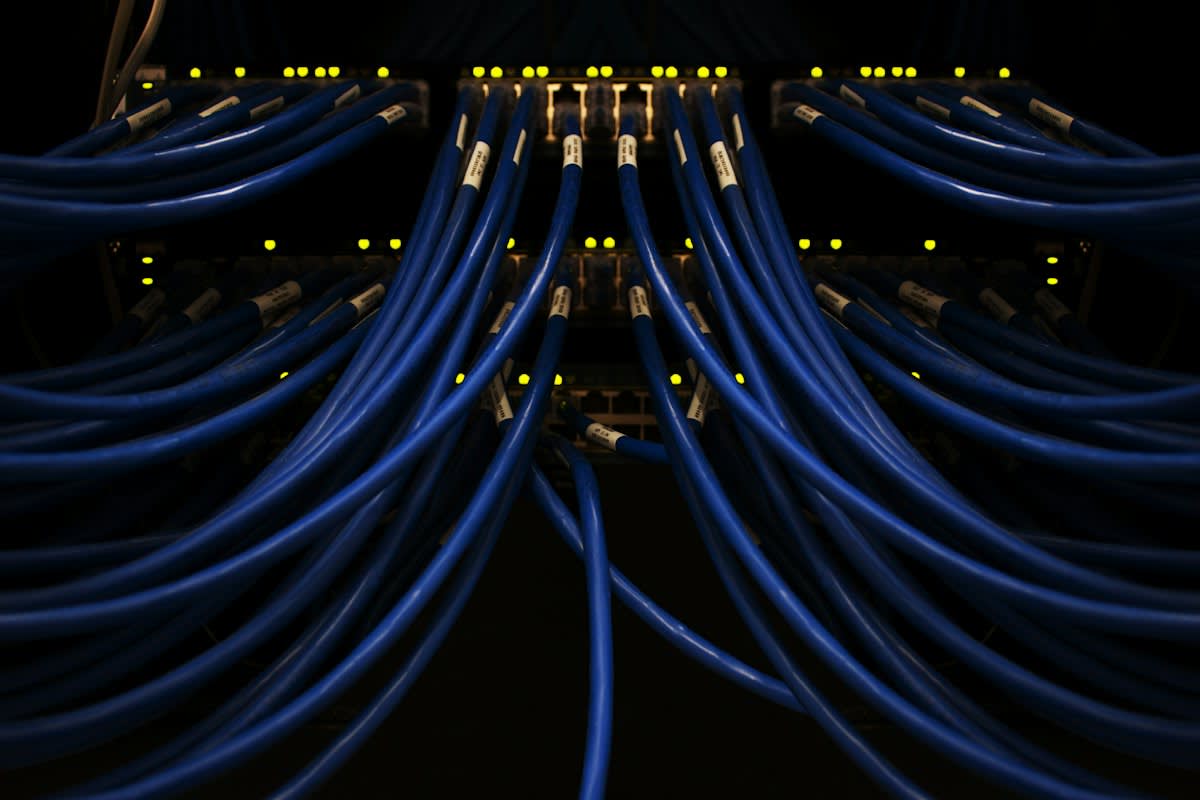
Data centers are becoming power sinks of an unprecedented scale. A single AI-optimized rack can require ten times the power of a traditional cloud server, necessitating massive copper busbars to move electricity without melting the housing. You can taste the metallic dust in the air when these systems are pushed to the limit in poorly ventilated facilities. The heat is oppressive. It creates a feedback loop where more copper is needed for cooling systems, which in turn require more power, which requires more copper.
"The market is pricing in a structural deficit. We are looking at a scenario where the physical availability of copper becomes the primary governor of AI deployment speed, regardless of how many chips we can print."— Jeff Currie, Former Head of Commodities at Goldman Sachs
The math is simple and devastating. To support the projected growth of AI data centers, the global power grid requires an infusion of copper that exceeds current mining output capacities (Source: Wood Mackenzie, 2024). We are chasing a ghost. The lead time for high-voltage copper cabling has stretched from months to years, leaving developers with expensive silicon that they cannot plug into the wall. It is a high-tech tragedy played out in low-tech materials.
| Metric | Traditional Cloud (2022) | AI-Driven Cloud (2024) |
|---|---|---|
| Avg. Rack Power Density | 7-15 kW | 40-100 kW |
| Copper Intensity per MW | Baseline | 1.4x Increase |
| Grid Connection Lead Time | 6-12 Months | 24-48 Months |
The industry is trying to pivot to aluminum to save costs. It fails. Aluminum lacks the conductivity and durability needed for the extreme thermal loads of AI clusters. When you try to substitute, you get higher resistance and more heat. The wires soften. Eventually, the insulation fails, and you have a catastrophic arc flash that turns a million-dollar server room into a charred graveyard of melted plastic and blackened silicon.
Ground-Level Friction
Theory dies in the mud of the installation site. In the field, the debate isn't about tokens per second; it is about the cost of trenching through reinforced concrete. I have seen crews in Mumbai struggle to pull heavy-gauge copper through conduits clogged with fifty years of grime and wet cardboard. They fight with rusted clamps and failing bearings on the cable pullers. The friction is literal. The gap between a boardroom projection of AI growth and the reality of a copper cable stuck in a muddy trench is where the actual timeline of the revolution is decided.
The scrap market is the only place where the real numbers show up. In the slums of Dharavi, the price of recovered copper is skyrocketing because the industrial demand is cannibalizing everything. People are stripping old wiring from abandoned buildings just to feed the hunger of the data center build-out. It is a raw, visceral cycle. The digital future is being built on the backs of people burning plastic off wires in open pits to reclaim a few kilograms of red metal.
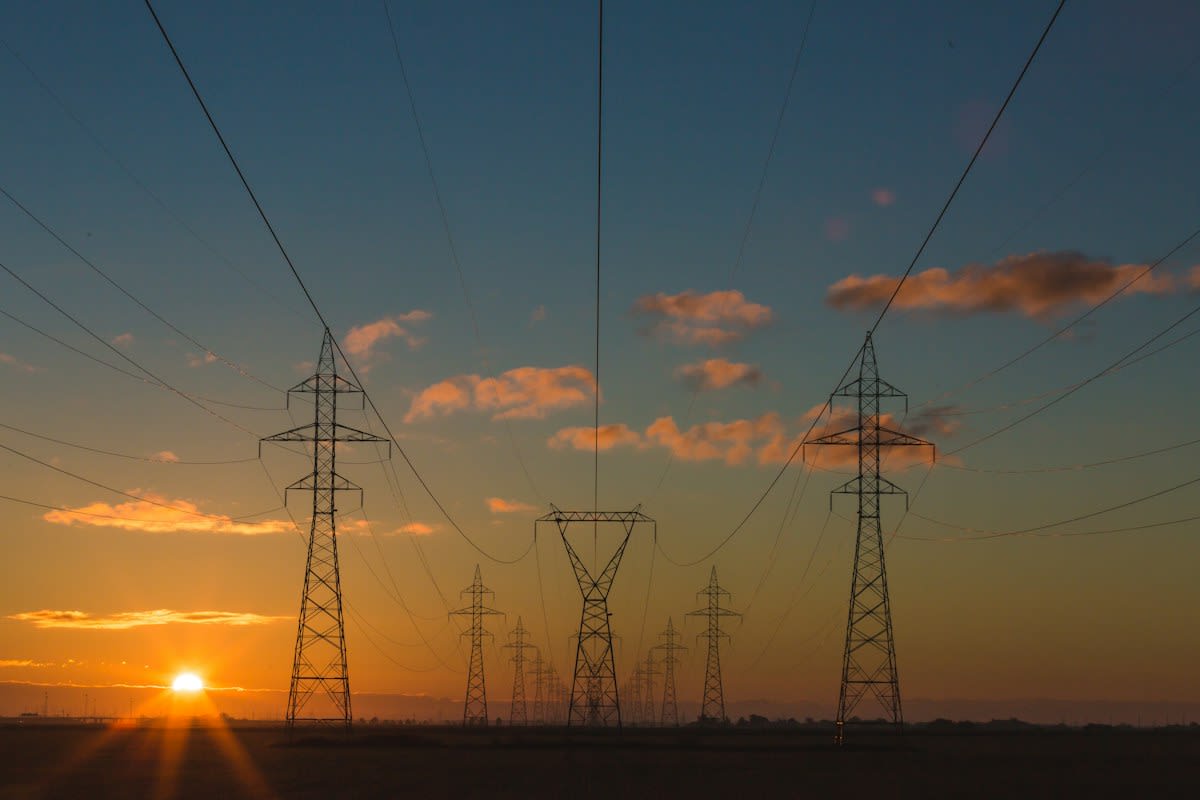
The geopolitical leverage has shifted. Countries with copper reserves are the new oil giants. We are seeing a scramble for mining rights in the DRC and Chile that mirrors the Cold War arms race. If you control the copper, you control the speed at which your rival can scale their LLMs. The silicon valley elite are suddenly realizing that their empire is built on a foundation of metal that they do not own and cannot easily replace (Source: Bloomberg, 2024).
Editorial Note
The industry is currently attempting to mask this shortage by over-ordering and stockpiling, which only accelerates the price spikes for smaller players. This 'bullwhip effect' ensures that the bottleneck will only tighten over the next 24 months.
We are approaching a hard ceiling. You cannot optimize your way out of physics. No matter how efficient the transformer architecture becomes, the electrons still need a path to travel. When the copper runs out or the price becomes prohibitive, the growth curve of AI will not just flatten; it will snap. The red metal is the ultimate governor.
Fact-Check & Accuracy Note
All statistics regarding copper demand and grid lead times are based on current industry reports from the IEA and Wood Mackenzie. Projections are subject to volatility based on new mining discoveries or breakthroughs in room-temperature superconductors, though the latter remains theoretical.