Did Trump share an AI-altered Xi Jinping photo after China's president 'humiliated' him? Here's what we know
Source Entity
Latest News: Todays Latest News Headlines from India & World | Hindustan Times | Hindustan Times
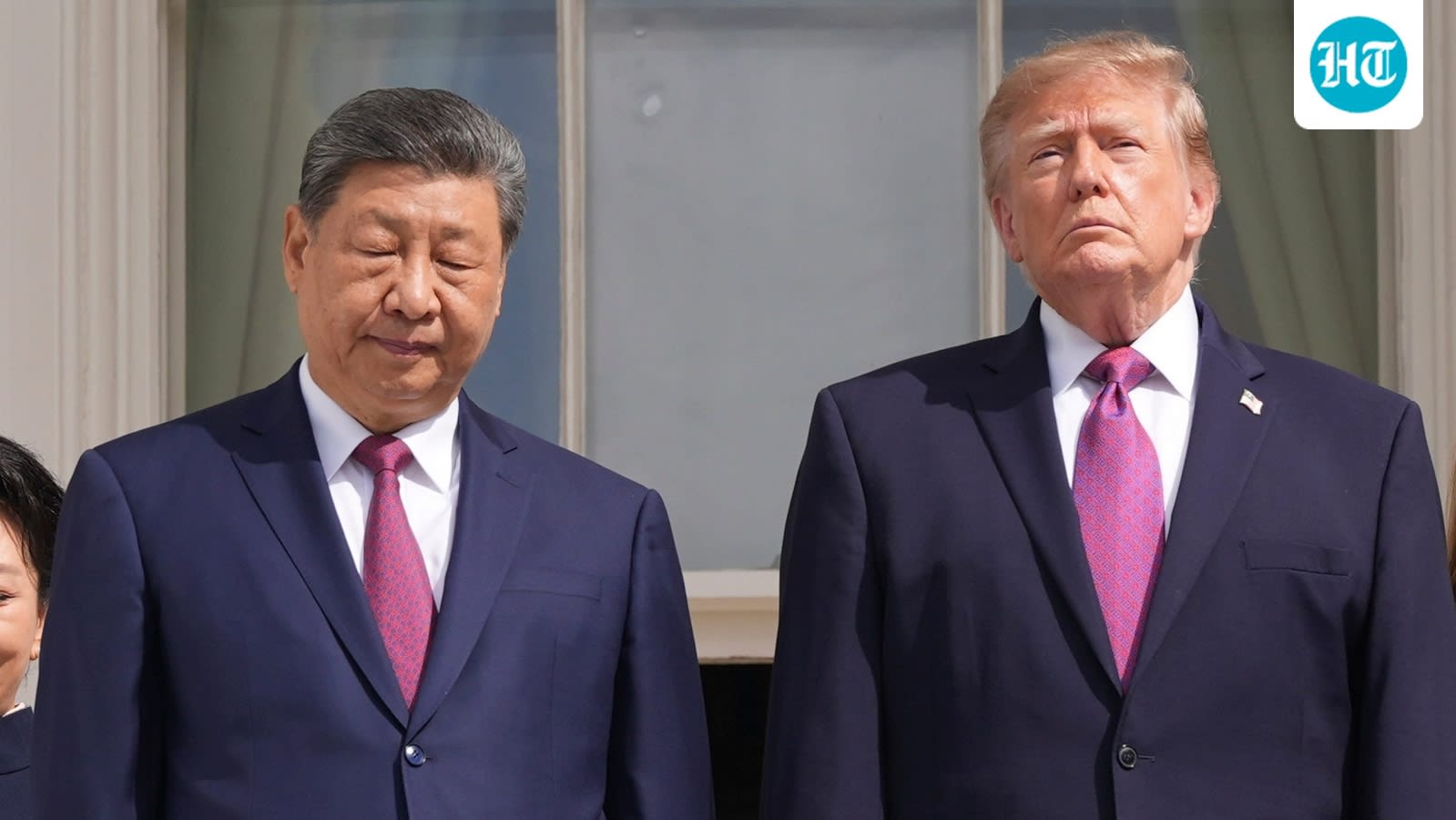
US-China relations show signs of cautious optimism as trade orders rebound ahead of a high-stakes summit. President Trump and President Xi utilized a state dinner to host top technology leaders and exchange symbolic gifts, signaling a focus on both AI cooperation and diplomatic stability.
A Diplomatic Reset: Analyzing the U.S.-China Summit
Recent developments between the United States and China suggest a calculated effort to stabilize the world's most consequential bilateral relationship. Ahead of a high-stakes summit, a private survey from the China Beige Book revealed a "surprise" rebound in Chinese exports to the U.S. This uptick in orders, observed throughout September, indicates that American businesses are actively positioning themselves for a period of relative stability, likely hedging against further trade volatility.
The Economic Pulse: Trade Resilience
The data provided by the China Beige Book, which surveyed 1,296 Chinese firms, highlights a tangible shift in market sentiment. With shipments to the U.S. rising on both a yearly and monthly basis, it appears that China’s relative tariff position has improved in the eyes of corporate stakeholders. This economic movement provides a pragmatic foundation for the diplomatic engagements occurring at the highest levels of government, suggesting that the private sector is acting as a stabilizing force in the geopolitical landscape.
Symbolic Diplomacy and the State Dinner
Beyond trade, the summit was punctuated by high-profile symbolic gestures. President Donald Trump’s gift of a bald eagle sculpture to President Xi Jinping serves as a clear articulation of national identity, with Trump framing the bird as an embodiment of the "free and soaring spirit of America." Such diplomatic pageantry is a long-standing tradition in international relations, intended to foster personal rapport between leaders and signal a willingness to engage in constructive dialogue despite deep-seated ideological differences.
The AI Frontier: Technology as a Geopolitical Pillar
Perhaps the most significant aspect of the summit was the focus on Artificial Intelligence. The state dinner featured an unprecedented guest list of technology titans, including Nvidia's Jensen Huang, SpaceX CEO Elon Musk, AMD's Lisa Su, and Apple's Tim Cook. The inclusion of these leaders, alongside OpenAI's Sam Altman and Microsoft's Satya Nadella, underscores that AI safety and development have shifted from purely corporate concerns to the top of the global geopolitical agenda.
Broader Implications and Future Trends
As existential risks associated with AI reach a fever pitch, the presence of these industry leaders at the presidential table suggests that the U.S. and China are attempting to establish a framework for governing emerging technologies. This is a critical development; if the two largest economies can find common ground on AI safety, it could potentially mitigate the risk of a new, unregulated technological arms race.
Conclusion: A Fragile Equilibrium
The convergence of increased trade orders and high-level dialogue on technology marks a notable moment for U.S.-China relations. While the symbolic gift of a bald eagle and the presence of tech CEOs at dinner provide an optimistic veneer, the long-term success of these talks will depend on whether this "stability" can translate into durable policy agreements. The world remains watchful, as the actions taken by these two powers regarding trade and AI will inevitably dictate the trajectory of the global economy for years to come.
Multiple Citing Sources
Verification Required?