Will NATO soon join the Yemen battlefield? After UK, France now joins Saudi shield against Houthis
Source Entity
Latest News: Todays Latest News Headlines from India & World | Hindustan Times | Hindustan Times
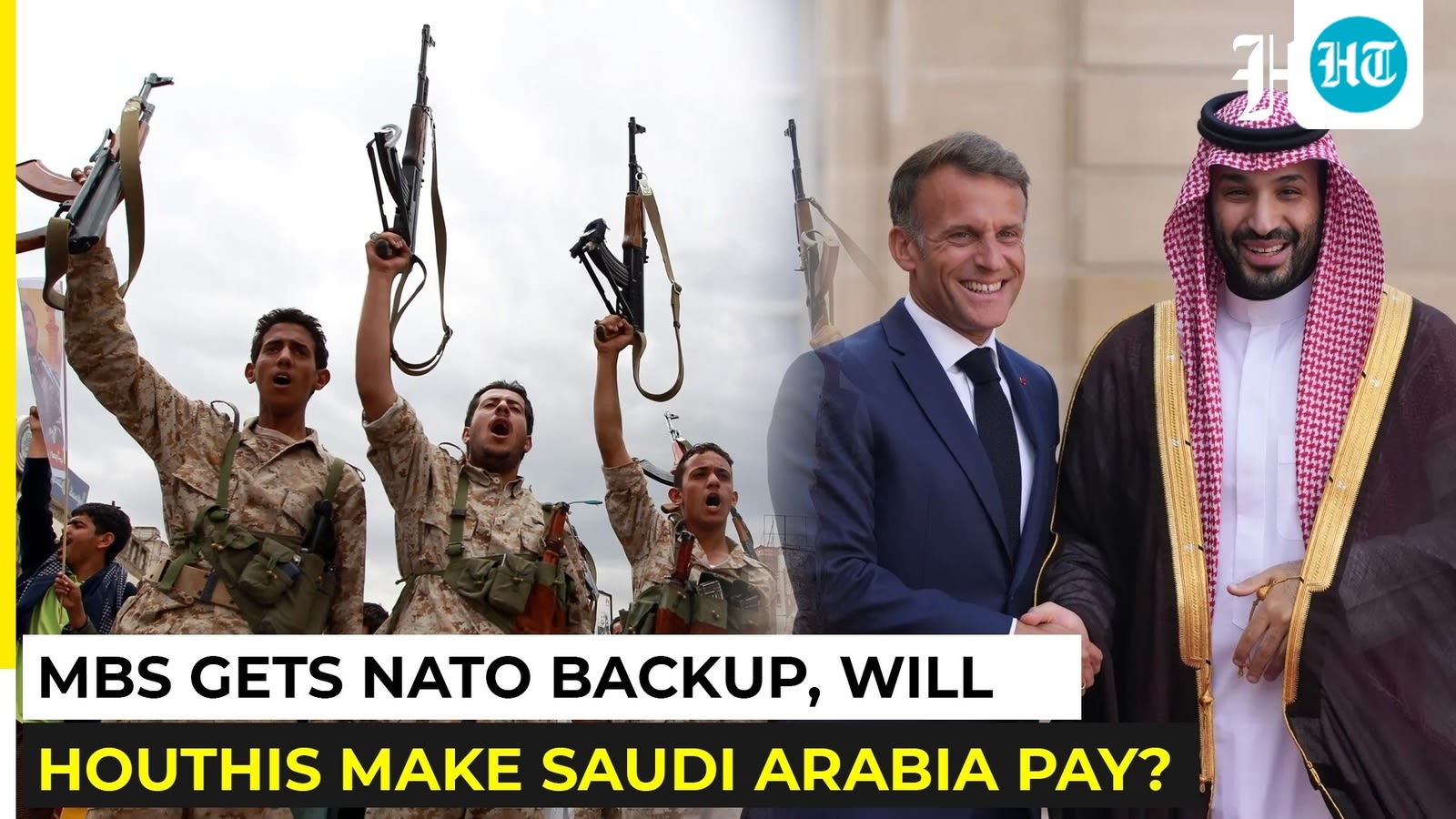
France and the UK have bolstered Saudi Arabia's defensive capabilities against Houthi missile and drone strikes targeting critical infrastructure. Simultaneously, Saudi religious leadership has issued a rallying cry to troops, signaling a potential hardening of Riyadh's military stance in the Yemen conflict.
Escalation and International Involvement in the Saudi-Houthi Conflict
Recent developments in the Gulf region underscore a significant shift in the security architecture surrounding the Yemen conflict. As Houthi forces intensify their use of drone and missile technology to strike deep into Saudi territory—specifically targeting the strategic oil hub of Yanbu and the city of Taif—the international community is increasingly being drawn into a defensive posture. The deployment of French radar systems, air-defense assets, and troops, alongside British logistical support via RAF Voyager tankers, highlights a concerted effort by Western powers to protect critical energy infrastructure, which remains vital to global markets.
The Strategic Pivot: Defensive vs. Offensive Engagement
The intervention by France, underscored by President Emmanuel Macron’s explicit clarification that these forces are purely defensive, reflects the delicate balance Western nations must maintain. By assisting in the protection of Saudi territory without engaging in offensive operations within Yemen, France aims to curb the volatility of the region while avoiding direct entanglement in the Saudi-led coalition's internal military campaign. This distinction is crucial, as it allows for the protection of key energy sites from Iran-backed Houthi aggression while theoretically limiting the risk of escalating the broader regional conflict.
Religious Authority and Domestic Mobilization
Parallel to these international security partnerships, the internal climate within Saudi Arabia has seen a shift toward a more militant mobilization. The rare, fiery rhetoric from the Grand Mufti, Sheikh Saleh al-Fawzan, urging soldiers to prepare for potential sacrifice, represents a significant domestic push to bolster morale. By framing the conflict as a defense of the kingdom and calling for the "complete defeat" of the Houthis, the religious establishment is providing ideological legitimacy for a prolonged military effort, further hardening the resolve of the Saudi state against its adversaries.
The Impact of Asymmetric Warfare
The Houthi strategy of utilizing drone and missile strikes has proven to be a highly effective form of asymmetric warfare, forcing Saudi Arabia to seek advanced international defensive technology. The release of footage by the Houthis documenting captured equipment from Saudi-backed forces serves as a psychological counter-measure in this information war. This ongoing exchange of fire and rhetoric, combined with the presence of international military assets, suggests that the conflict is entering a more complex phase where energy security and regional hegemony are inextricably linked.
Future Trends and Regional Implications
Looking ahead, the involvement of major powers like France and the UK suggests that the security of Saudi Arabia’s oil infrastructure will remain a top priority for global stability. However, the hardening of positions—both through the Grand Mufti’s calls to action and the Houthi defiance—points toward a sustained or even expanded conflict. As Riyadh continues to seek defense partnerships, the region faces a precarious future where the line between defensive shielding and offensive participation may become increasingly blurred, potentially drawing more international actors into the fray if the frequency of cross-border attacks continues to rise.
Verification Required?