Trump’s ban on Canadian alcohol starts Tuesday, but these well-known brands will avoid it
Source Entity
Victor Reklaitis
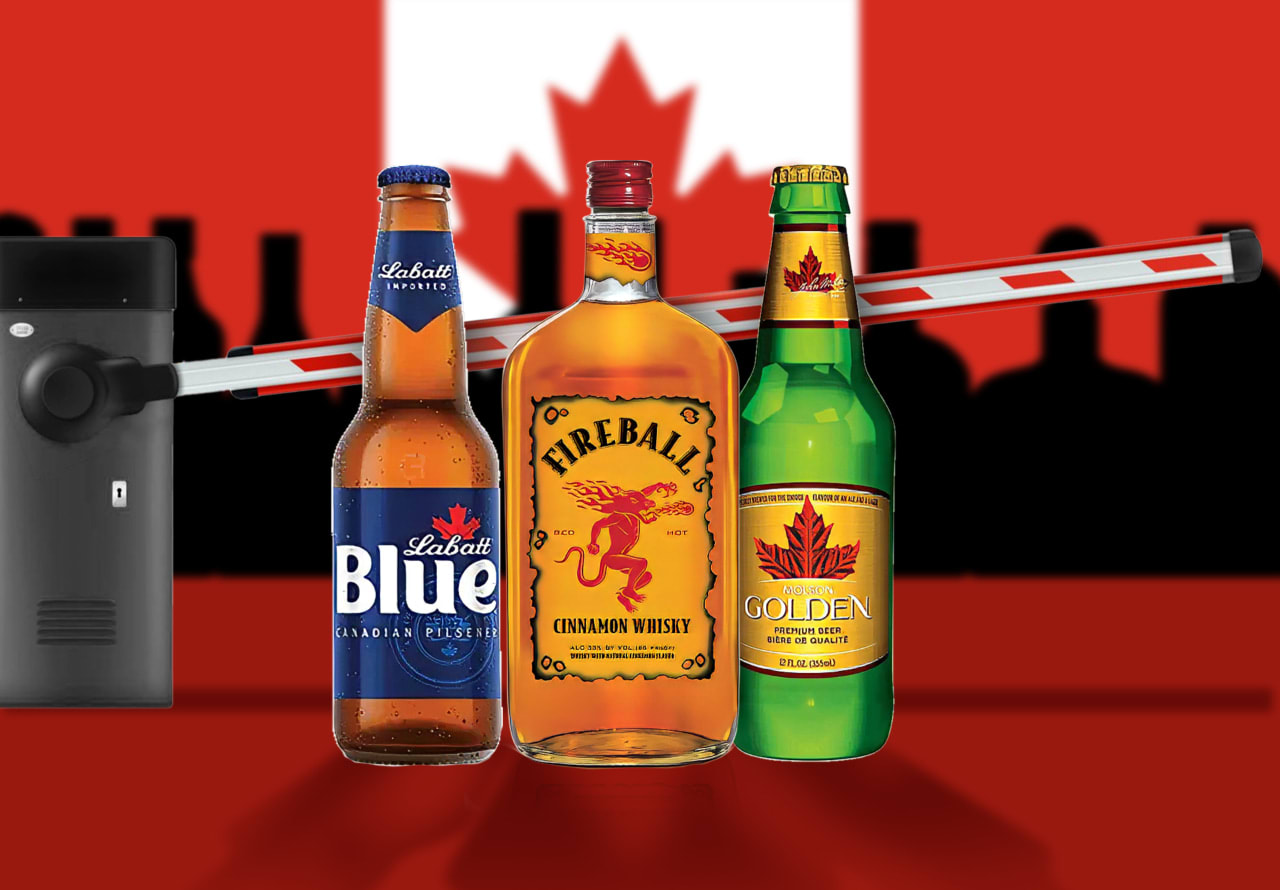
Despite a new U.S. ban on Canadian alcohol, major brands like Labatt, Molson, and Fireball will remain available to American consumers. These products are exempt because they are produced within U.S. facilities, bypassing import restrictions.
Understanding the Impact of New Canadian Alcohol Restrictions
Recent policy shifts have introduced a ban on Canadian alcohol imports, sparking concerns about the availability of iconic North American beverage brands. As these regulations take effect this Tuesday, consumers and retailers alike have been bracing for potential shortages. However, the market landscape remains stable for several high-profile names, as the regulatory framework contains specific nuances that allow for the continued presence of these products on American shelves.
The Mechanics of the Exemption
The survival of brands like Labatt, Molson, and Fireball in the U.S. market is not due to a policy reversal, but rather a strategic localization of their supply chains. A significant portion of these products consumed by Americans is actually manufactured within the United States. By producing these beverages at domestic facilities, these companies effectively circumvent the import bans targeting goods sourced directly from Canadian production lines.
Supply Chain Resilience and Localization
This situation highlights the importance of supply chain diversification for multinational beverage corporations. By maintaining domestic production capabilities, companies can mitigate the risks associated with international trade disputes and shifting tariff policies. For brands like Labatt and Molson, which have long histories of cross-border operations, this localized production model serves as a critical buffer against protectionist trade measures.
Consumer Impact and Market Stability
The immediate concern for the average consumer was the potential disappearance of staple beers and spirits from local retailers. Because the exemption is tied to the origin of manufacture rather than the brand's heritage, the physical availability of these products remains largely unchanged. This prevents a sudden supply shock in the beer and liquor industry, ensuring that market demand is met without interruption despite the broader political climate.
Broader Economic Implications
While these specific brands are shielded, the broader implications of such trade restrictions remain a point of interest for economic analysts. Trade barriers often force companies to reconsider their logistics and production hubs to prioritize resilience over efficiency. As companies continue to navigate these geopolitical pressures, we can expect a trend toward further 'onshoring' of production to avoid the volatility inherent in international trade agreements.
Conclusion: A Strategic Buffer
In summary, the resilience of Labatt, Molson, and Fireball in the face of new trade restrictions serves as a case study in corporate adaptation. By anchoring production within the U.S., these companies have successfully navigated a complex regulatory environment. As trade policies continue to evolve, the ability of brands to maintain domestic manufacturing will likely remain the deciding factor in their continued availability to the American public.
Verification Required?