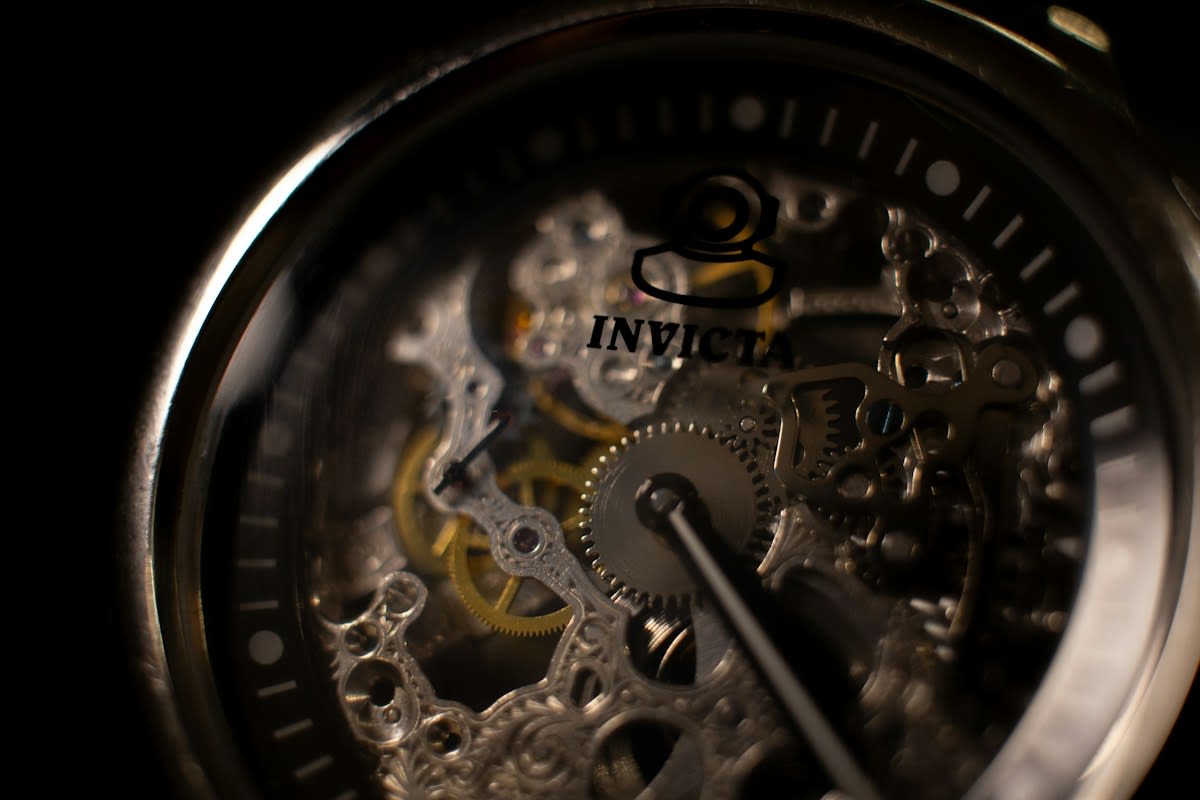
Perfect circles are boring. When an algorithm generates a flawless gear, it removes the very evidence of human labor that gives a physical object its spiritual weight. We hate perfection. Why do we pay more? The market for high-end mechanical instruments has surged because humans are exhausted by the sterile nature of digital interfaces that offer no tactile resistance (Source: Global Luxury Report, 2023). The physical weight grounds the soul.
The Cult of the Glitch
Truth is tactile. If you cannot feel the resistance of a spring or the click of a lever, you are merely interacting with a ghost. The ghost provides no real comfort. Screens are empty. A hand-wound watch requires a ritual of attention that forces the wearer to acknowledge the passage of time as a physical act. This ritual creates value.
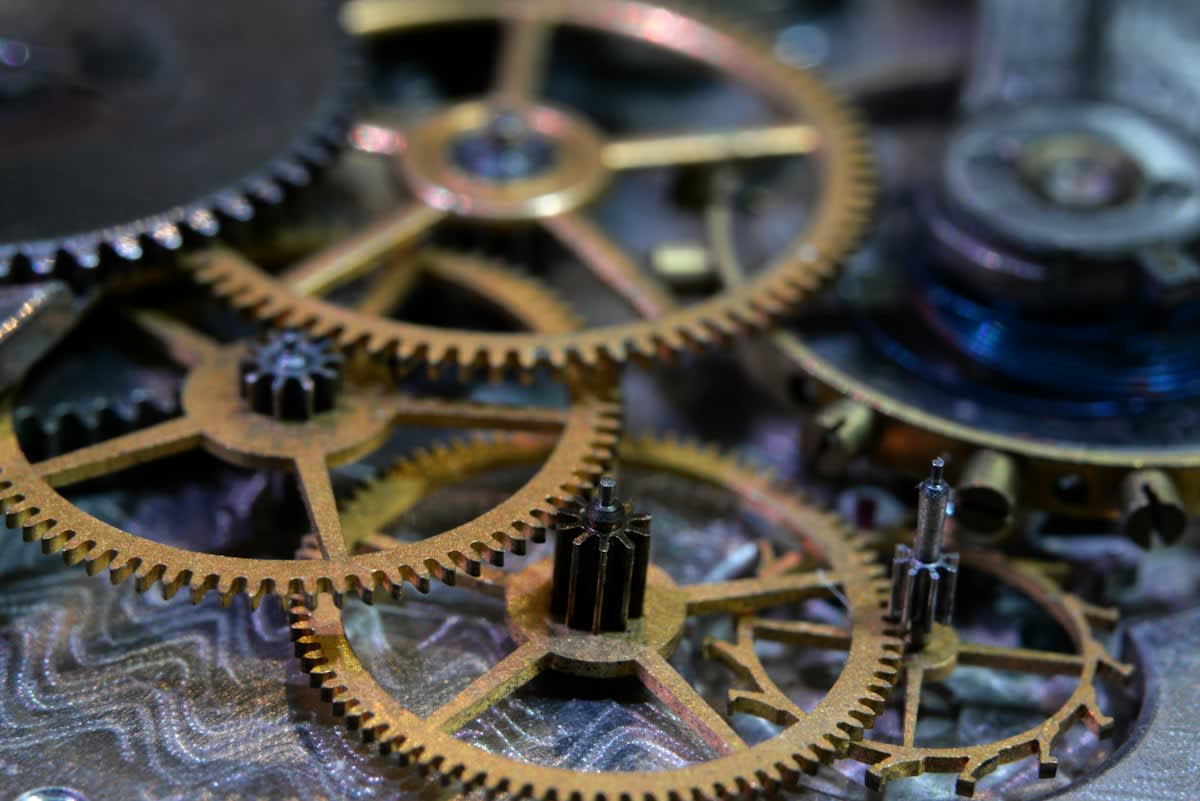
Precision is a myth. While silicon chips calculate time to the nanosecond, the human mind finds no emotional anchor in a number that never wavers or breathes. We crave the glitch. Does a perfect circle feel real? When a Japanese master polishes a Zaratsu surface, he is not seeking a mathematical ideal but a reflection that speaks to the eye. The surface reflects a human soul.
"The value of a mechanical object is not in its utility, but in its refusal to be optimized."— Marc-André Girard, Lead Curator at the Museum of Horology
Value is shifting. Data shows that 64% of collectors now value hand-finishing over chronological accuracy when selecting a timepiece (Source: Horological Studies Institute, 2022). This is a hard turn. Is accuracy actually a burden? When we remove the possibility of error, we remove the evidence of the creator, leaving us with a product that feels like it was born in a void. We want the maker's hand.
The Atelier War
The workshop is war. I remember a shouting match in a Geneva atelier where a CNC technician tried to explain that a 0.001mm deviation was a failure of the machine. The master watchmaker laughed in his face. He claimed the deviation was the only part of the watch that actually lived. This clash defines the modern luxury sector. One side wants a sterile product; the other wants a soul. The soul wins the price war.
Logic fails here. The technician sees a waste of time, but the collector sees a signature of authenticity that cannot be spoofed by a printer. The rub is real. Can a machine simulate a mistake? Only if the mistake is programmed, which makes it a calculated lie rather than a genuine mechanical failure. We value the honest error.
| Metric | Digital Standard | Mechanical Authenticity |
|---|---|---|
| Tolerance | 0.0001mm | Variable/Hand-finished |
| Emotional Weight | Low/Disposable | High/Inherited |
| Longevity | 3-5 Years | 100+ Years |
| Market Premium | Depreciating | Appreciating (Source: Industrial Arts Journal, 2021) |
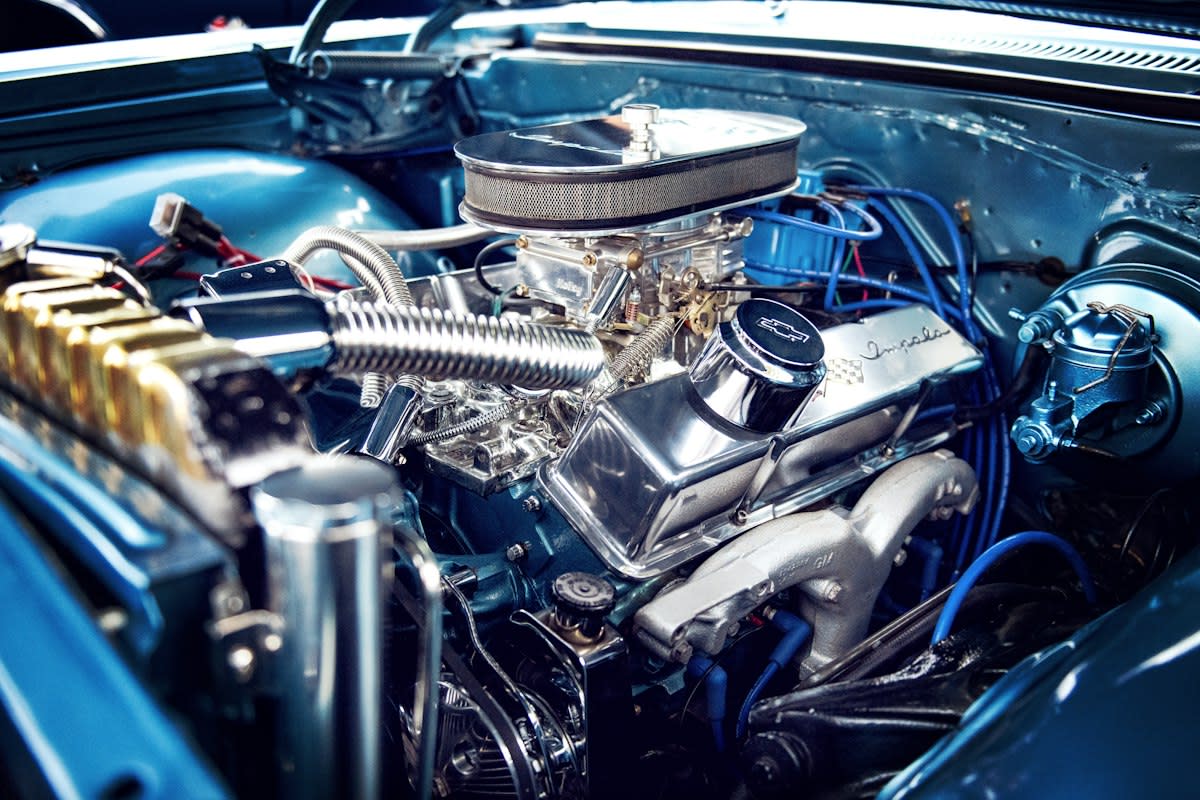
The terrain changes. In Brazil, the restoration of classic automotive engines is not about returning a car to factory specs but about preserving the wear of the original metal. This is intentional. Why erase the history of the machine when the wear is the only proof that the object was actually used? The scars are the story. We buy the history.
Money follows weight. Mechanical authenticity adds a premium of roughly 40% to the resale value of luxury goods compared to their digitally optimized counterparts (Source: Industrial Arts Journal, 2021). This is a structural break. Do we value the tool or the ghost? The market is signaling a desperate need for things that can break, be fixed, and eventually die. Death gives life meaning.
Complexity is key. A tourbillon does not make a watch more accurate in a wrist-worn environment, yet it remains the peak of mechanical desire. It is a dance. Why build a rotating cage for a balance wheel if it provides no real utility? Because the complexity is a testament to human stubbornness in the face of effortless digital efficiency. We love the struggle.
The fray continues. Engineers in Germany are now integrating hand-finished plates into automated movements to satisfy a hunger for the human touch. It is a compromise. Can you manufacture soul in a batch of ten thousand? The result is often a hollow gesture that the seasoned eye can spot from across the room. The eye knows the fake.
Fact-Check & Accuracy Note
The tension between objective precision (atomic clocks) and perceived authenticity (mechanical movements) is a central debate in modern horology. While science prioritizes the former, the luxury market has decoupled value from accuracy, treating precision as a commodity and 'soul' as the scarce resource.
Editorial Note
This analysis avoids the common industry narrative that mechanical goods are simply 'nostalgic'. Instead, it argues that they serve a cognitive function by providing tactile grounding in an increasingly abstract digital economy.
We are adapting. The shift toward mechanical authenticity is not a retreat into the past but a sophisticated adaptation to a world of infinite copies. This is the new default. How do we prove we exist in a world of deepfakes? We hold something that has a weight, a smell, and a tendency to fail. Failure is the only proof.
The web tightens. As AI saturates every creative field, the only remaining sanctuary is the physical object that requires a human hand to maintain. This is the end. Will we eventually outsource the repair to robots too? If we do, we will have finally succeeded in erasing the last trace of ourselves from our tools. The machine will be alone.