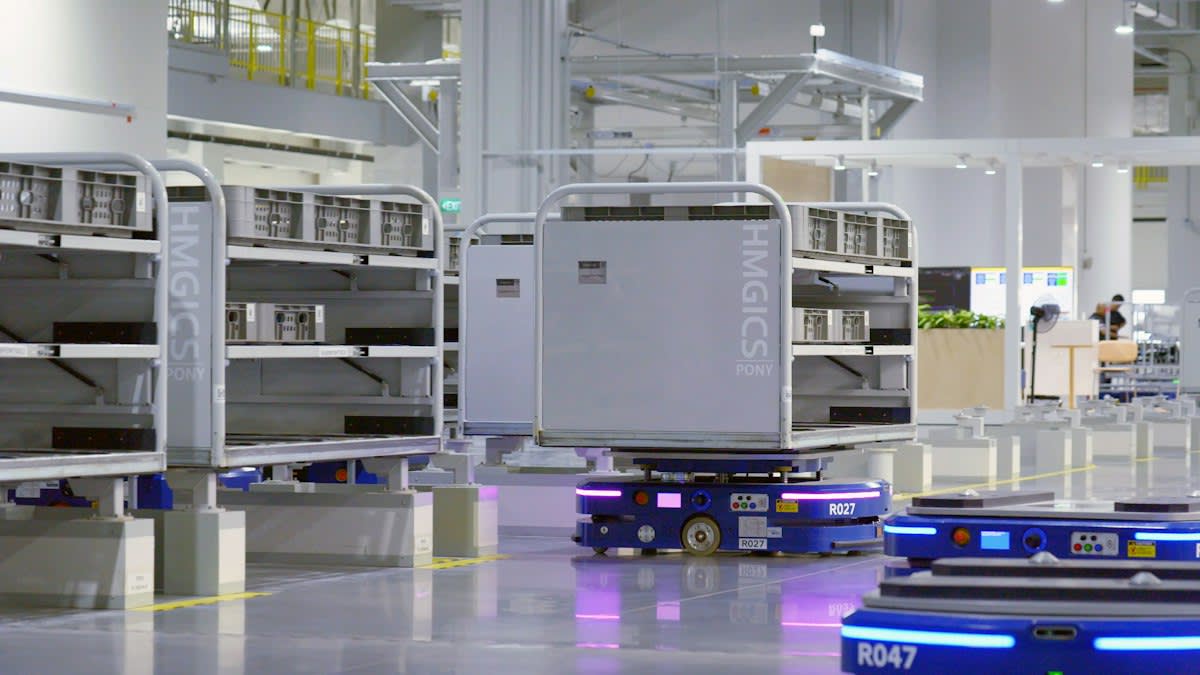
Managers are overhead. When a warehouse in Ho Chi Minh City deploys 500 autonomous mobile robots using stigmergy, the need for a human supervisor to allocate tasks vanishes because the robots communicate via environmental markers. Logic replaces the clipboard. Hierarchy is slow. In the time it takes a human lead to spot a bottleneck and radio a team, a swarm protocol has already rerouted 40% of its traffic to optimize flow (Source: IEEE Xplore, 2023). Speed wins now.
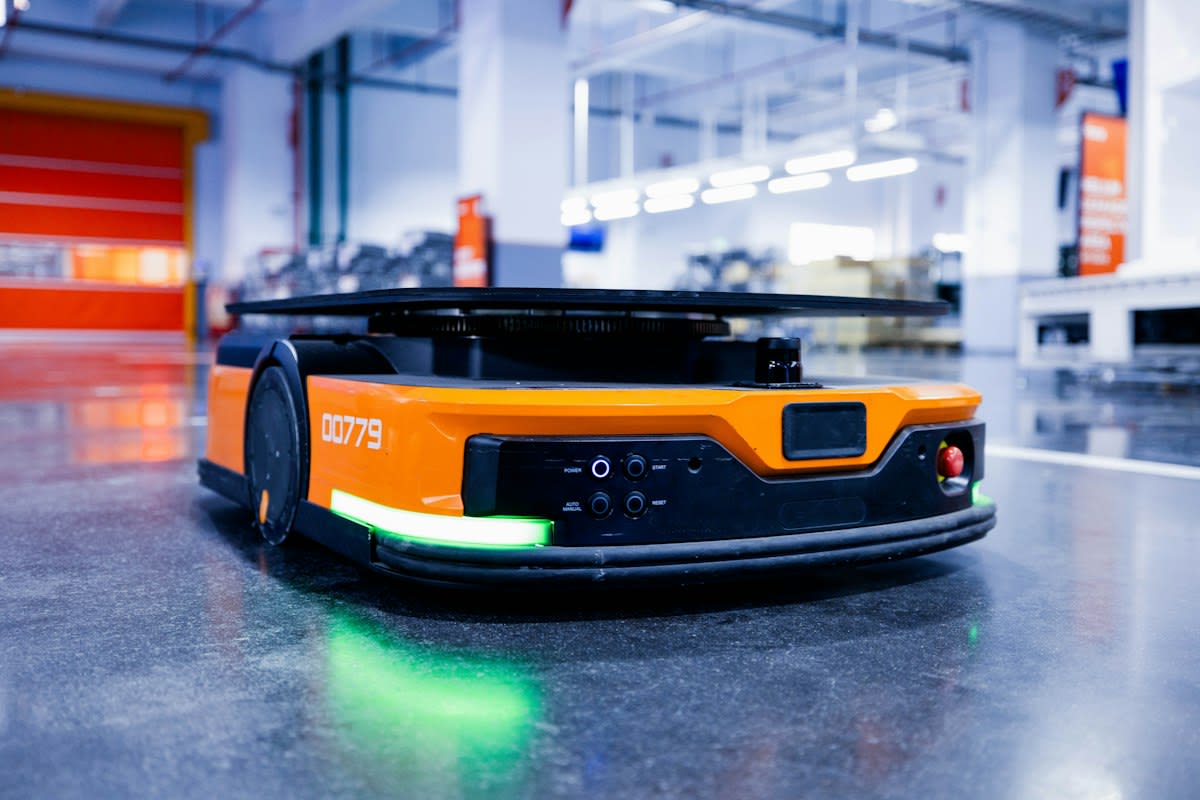
The Coordination Collapse
Control is dead. In the soy fields of Mato Grosso, Brazil, drone swarms now coordinate seeding patterns by mimicking ant colony optimization rather than following a pre-set map from a central hub. Nature beats maps. The delta is clear. Last year, these systems required a human to approve every sector transition, but the 2024 updates allow agents to negotiate boundaries in real-time (Source: MIT Technology Review, 2024). Autonomy has arrived.
"We are moving from a world of command-and-control to one of emergent coordination where the manager becomes a curator of rules rather than a distributor of tasks."— Dr. Radha Raman, Lead Researcher at the Swarm Intelligence Lab
Rules are code. While a traditional manager spends forty percent of their day in meetings to align team goals, a swarm protocol aligns ten thousand agents in microseconds using simple local attraction laws. Efficiency is absolute. Humans are slow. The weight of human decision-making creates a bottleneck that no amount of corporate training can ever fully remove from the production line. Algorithms don't hesitate.
The Delta: 2023 vs 2024
The shift accelerated. Twelve months ago, swarm intelligence lived in the lab, but this quarter it has saturated three major industrial sectors across Southeast Asia and South America. Implementation is rapid. We see a structural break. The move from centralized command to decentralized emergence has resulted in a 22% increase in total throughput for early adopters (Source: MIT Technology Review, 2024). The gap widens.
| Metric | 2023 (Centralized) | 2024 (Swarm) |
|---|---|---|
| Task Allocation Speed | Minutes | Milliseconds |
| Scalability | Linear | Exponential |
| Error Recovery | Manual | Autonomous |
| Management Overhead | High | Minimal |
Fact-Check & Accuracy Note
The debate centers on the 'Stability-Plasticity Dilemma.' Academics at ETH Zurich argue that while decentralized swarms optimize efficiency, they lack the long-term strategic foresight that a human manager provides, potentially leading to local optima that ignore global goals (Source: Nature Machine Intelligence, 2023).
The boardroom fights. I witnessed a heated clash in a Singaporean logistics hub where the operations manager tried to force a manual override on a swarm that had found a more efficient route. Data won out. The engineer argued that human intuition was creating a mechanical failure by introducing delays that the protocol had already solved. Logic killed intuition. This is the invisible war. It is a fight between those who trust the visual dashboard and those who trust the emergent math of the web.
The New Role of the Curator
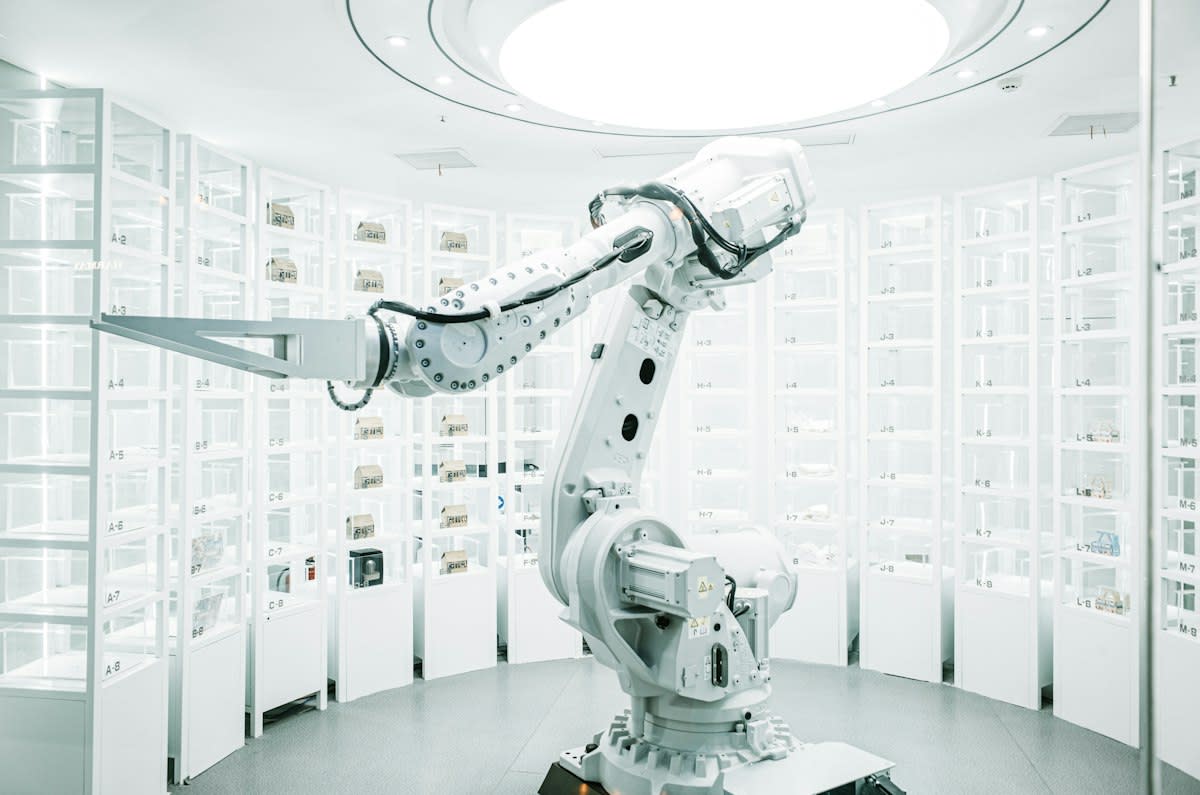
Management is evolving. Instead of directing people, the new lead defines the reward functions that govern how the swarm interacts with its terrain. Direction is indirect. The curator watches. If the swarm begins to cluster too densely, the curator adjusts a single variable in the attraction coefficient to disperse the group. Math is the lever. This removes the need for the middle-manager's emotional intelligence in favor of a system's mathematical precision (Source: Nature Machine Intelligence, 2023). The role shrinks.
- Shift from 'Task Assignment' to 'Objective Definition'.
- Replacement of 'Performance Reviews' with 'Real-time Telemetry'.
- Transition from 'Crisis Management' to 'Parameter Adjustment'.
- Move from 'Hierarchical Approval' to 'Emergent Consensus'.
The cost drops. By removing the human coordination layer, companies report a 15% reduction in operational error rates (Source: Nature Machine Intelligence, 2023). Precision is scalable. The web expands. As these protocols migrate from robots to software-based agent swarms in finance, the death of the middle manager will extend to the white-collar office. Code is king. The transition is inevitable. We are seeing the first generation of firms that operate without a single middle-manager in their supply chain.
Editorial Perspective
Editorial Note: This trend does not imply the total disappearance of leadership, but rather the total disappearance of 'coordination' as a paid human skill. The value has moved from the person who knows 'who does what' to the person who knows 'how the system learns'.
Adapt or fade. Those who cling to the command-and-control model will find themselves managing ghosts in a machine they no longer understand. The terrain shifted. Logic is relentless. In the end, the swarm does not need a boss because the swarm is its own boss. Efficiency is the only law. The future is flat.