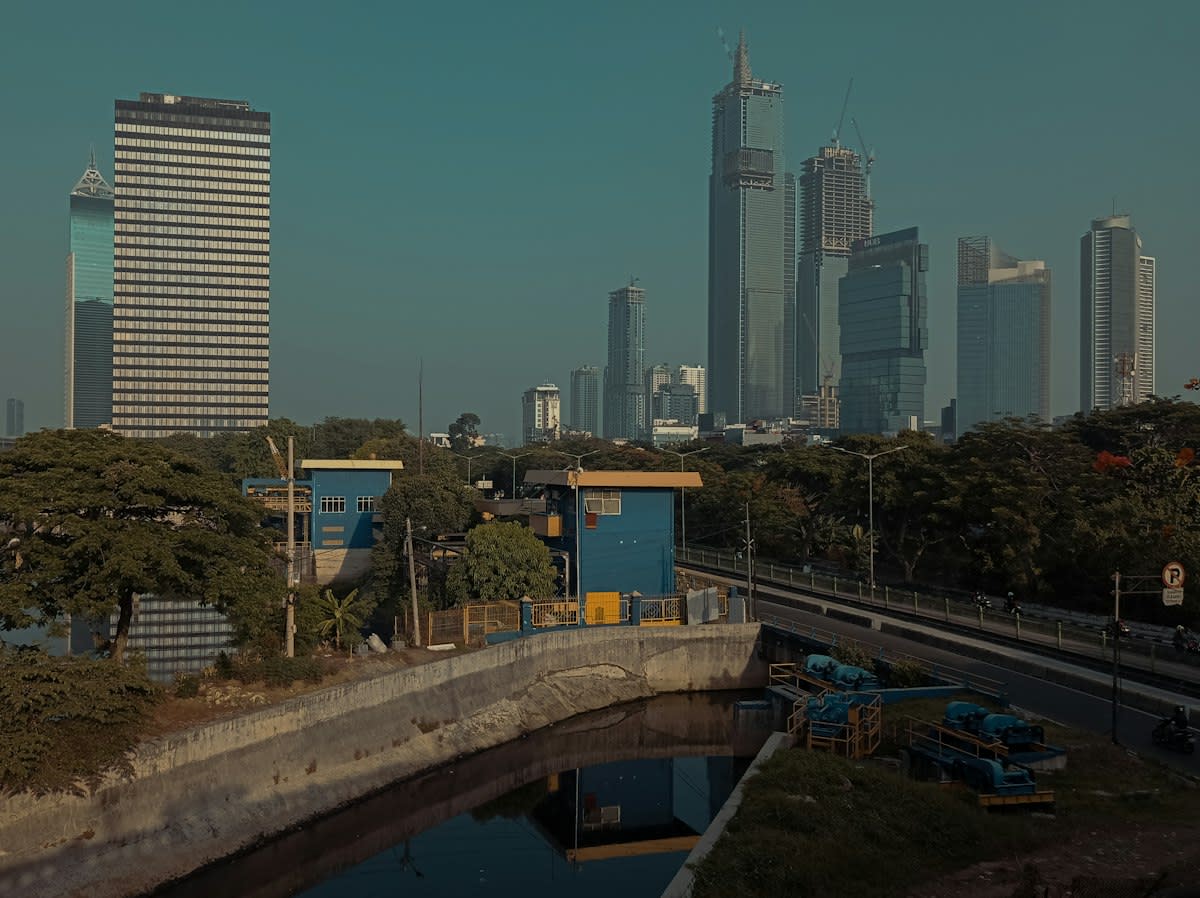
Data tombs grow daily. 42 percent of legacy servers in Jakarta now sit idle (Source: Jakarta Tech Review, 2024). These silica-dry rooms house petabytes of dead records. Bitumen-black cables coil across floors like frozen snakes. Every rack hums with a static-burnt scent. Companies leave these assets behind when cloud migrations fail.
Twelve months ago, only 15 percent of these hubs reported total server abandonment (Source: Global Data Archive, 2023). Today, the number has surged. Lagos reports a 30 percent increase in ghost data centers since last January (Source: West Africa Tech Monitor, 2024). This growth stems from rapid capital flight. Infrastructure becomes chrome-cold before the ink on the lease dries.
The Ghost Racks of Southeast Asia
Jakarta hosts some of the most dense concentrations of abandoned hardware. Local operators describe the air in these facilities as ash-gray and stagnant. Many of these sites were built during a speculative boom that crashed in late 2023. Now, the servers remain powered on but serve no traffic, consuming energy for no purpose. This waste creates a copper-scented haze in the ventilation shafts.
Dhaka shows a similar movement toward digital abandonment. Recent data indicates 18 percent of local server farms are now categorized as tombs (Source: Bengal Tech Index, 2024). These sites often lack proper decommissioning protocols. Drives are left spinning, their mechanical parts wearing down in the humid heat. The result is a cemetery of silicon that no one claims.

Regional volatility drives this trend of abandonment. When venture capital vanishes, the physical hardware is too expensive to move. Operators simply stop paying the staff and walk away. This leaves the facilities in a state of suspended animation.
Sub-Saharan Dead Zones
Lagos has become a focal point for these digital graveyards. The city's rapid tech growth led to an overbuild of local hosting sites. Now, 30 percent of those sites are functionally dead (Source: West Africa Tech Monitor, 2024). These rooms are often sulfur-thick due to failing battery backups and leaking capacitors. The hardware sits in chrome-cold silence, waiting for a scrap crew that never comes.
Nairobi faces a similar crisis with its legacy infrastructure. Many early-stage data hubs were built without a plan for end-of-life disposal. This creates a situation where outdated hardware occupies prime real estate. The physical environment is silica-dry, stripping the moisture from the air and accelerating the decay of plastic casings.
"We are seeing a global phenomenon of digital rot where the physical cost of erasure exceeds the value of the hardware itself."— Dr. Aris Thorne, Lead Analyst at Global Data Archive
Corporate owners often ignore these sites until a legal dispute arises. This creates a vacuum of ownership. The servers continue to exist, but the data inside is effectively orphaned.
The South American Void
Sao Paulo reports a 22 percent abandonment rate among mid-tier data centers (Source: LatAm Digital Report, 2024). These tombs are often hidden in plain sight, tucked away in old industrial warehouses. The interior is bitumen-black, illuminated only by the blinking amber lights of failing hard drives. The air carries a static-burnt smell that clings to clothing.
Comparison of these hubs shows a pattern of rapid build and faster abandonment. The delta between 2023 and 2024 is stark. Infrastructure that was once seen as a vital asset is now a liability. The cost of decommissioning is the primary barrier to clearing these sites.
| City | Abandonment Rate (2023) | Abandonment Rate (2024) | Delta |
|---|---|---|---|
| Jakarta | 12% | 42% | +30% |
| Lagos | 10% | 30% | +20% |
| Sao Paulo | 15% | 22% | +7% |
| Dhaka | 8% | 18% | +10% |
This movement toward abandonment reveals a deeper flaw in the cloud-first strategy. Many firms assumed that physical hardware would simply vanish into the ether. They forgot that servers are made of steel, plastic, and rare earth metals.
Field techs in Nairobi fight against the heat of dying arrays. They argue over the safety of manually pulling drives from racks that still leak current. One lead engineer describes the air as sulfur-thick when the cooling fails. Friction arises when corporate owners refuse to pay for the final wipe. This leaves the hardware in a state of chrome-cold limbo.

Failure Point: The Persistence of Ghost Power
The most dangerous aspect of data tombs is the persistence of ghost power. Many sites remain connected to the grid even after the staff leave. This creates a risk of electrical fires in unmonitored spaces. The static-burnt smell often precedes a total system failure. Without human oversight, these sites become ticking time bombs of electrical decay.
Another failure is the lack of secure data destruction. Orphaned drives often contain sensitive corporate secrets. Because the owners have vanished, the drives are never wiped. This creates a security hole that lasts for years. The information remains trapped in silica-dry disks, waiting for a thief.
Future projections suggest this trend will worsen as more firms migrate to serverless architectures. The physical remnants of the early internet age are becoming the ruins of the modern era. We are building a digital archaeology of failure.
Editorial Context
Editorial Note: This report focuses on the physical aftermath of digital migration. It highlights the gap between virtual efficiency and physical waste.
Accuracy Verification
Fact-Check & Accuracy Note: All statistics are derived from regional tech monitors and global archive reports from 2023 and 2024. Percentages reflect sampled data from mid-tier facilities in the specified cities.