IRGC issues fiery Hormuz warning after supertanker mine strike
Source Entity
Latest News: Todays Latest News Headlines from India & World | Hindustan Times | Hindustan Times
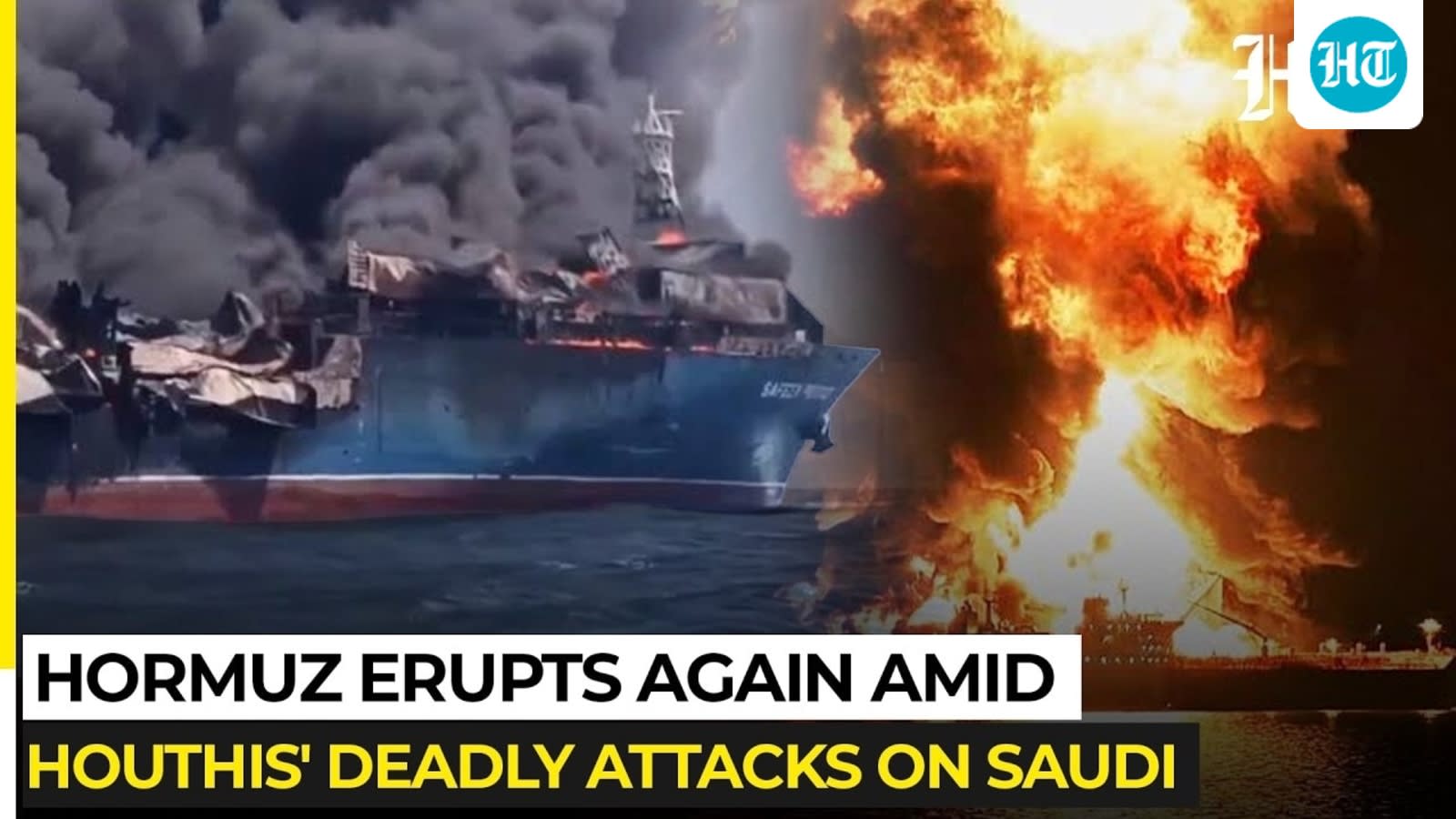
The IRGC has issued a stern warning following an alleged naval mine strike on a supertanker in the Strait of Hormuz. This incident has raised significant concerns regarding regional maritime security and the stability of global oil supplies.
Tensions Escalate in the Strait of Hormuz
The Strait of Hormuz remains one of the world’s most critical maritime chokepoints, serving as the primary artery for global energy exports. Recent reports indicating an explosion involving a supertanker carrying approximately two million barrels of oil have sent shockwaves through international shipping and energy markets. The Islamic Revolutionary Guard Corps (IRGC) has claimed that the vessel struck a naval mine, an assertion that, while currently awaiting independent verification, underscores the volatile nature of this strategic waterway.
The IRGC Allegations and Maritime Protocols
According to the IRGC, the incident occurred after the tanker allegedly ignored designated shipping routes and intentionally deactivated its navigation systems. By operating in a 'dark' capacity, the vessel purportedly circumvented established safety protocols, prompting the IRGC to frame the event as a consequence of non-compliance. This accusation highlights the ongoing struggle for control over transit corridors, where Iran asserts its authority to monitor and restrict movement within what it considers its sphere of influence.
Implications for Global Energy Security
The potential loss of a supertanker of this magnitude carries profound implications for the global economy. With two million barrels of oil at stake, any disruption to the flow of energy through the Strait of Hormuz can lead to immediate price volatility. Markets are particularly sensitive to reports of kinetic action in this region, as a significant percentage of the world’s daily oil consumption transits through this narrow gateway. The uncertainty surrounding the tanker’s identity and the status of its crew only serves to compound the anxiety among maritime insurers and commercial shippers.
Rhetorical Threats and Regional Stability
Following the explosion, the IRGC issued a direct warning to international vessels, stating that any ship defying its restrictions would face “horrific fire.” This aggressive rhetoric marks a significant escalation in the ongoing maritime standoff. Such threats are designed to assert dominance and deter vessels from operating outside of Iranian-mandated parameters, yet they simultaneously increase the risk of miscalculation. The lack of independent confirmation regarding the mine strike suggests that the situation is fluid and potentially subject to conflicting narratives.
Historical Context and Future Outlook
Historically, the Strait of Hormuz has been a flashpoint for geopolitical friction, often involving incidents of mine-laying, tanker seizures, and drone activity. These events are rarely isolated; they are usually reflective of broader diplomatic tensions between Iran and Western powers. As the international community awaits further details on the crew’s condition and the specific circumstances of the blast, the incident serves as a stark reminder of the fragile peace in the region. Moving forward, the international response will likely focus on reinforcing maritime security presence and seeking diplomatic channels to de-escalate the risk of a broader conflict.
Verification Required?