Yaduveer ascends golden throne as royal Navaratri begins
Source Entity
India Latest News: Top National Headlines Today & Breaking News | The Hindu
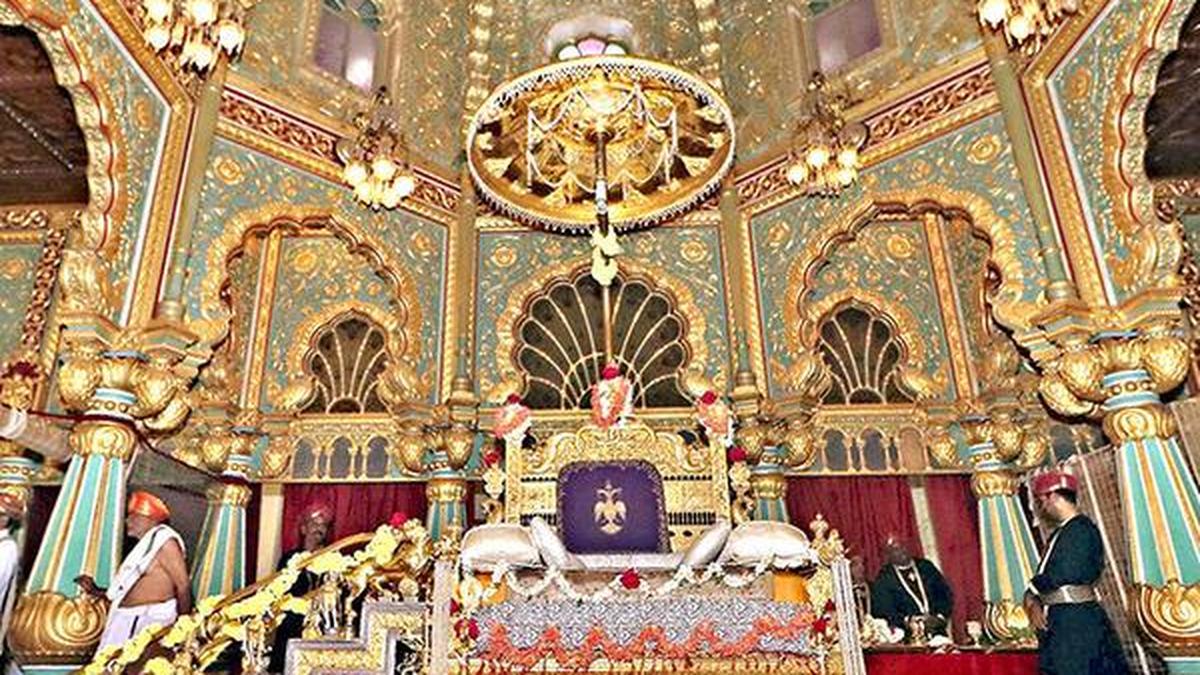
Yaduveer Krishnadatta Chamaraja Wadiyar has ascended the golden throne at the Mysuru Palace to mark the commencement of the private Navaratri celebrations. This ceremonial Khas Durbar preserves centuries-old royal traditions that define the cultural heritage of the Wadiyar dynasty.
The Resurgence of Royal Tradition in Mysuru
The commencement of the private Navaratri celebrations at the Mysuru Palace serves as a poignant reminder of the enduring legacy of the Wadiyar dynasty. On Sunday, Yaduveer Krishnadatta Chamaraja Wadiyar, the titular head of the royal family, performed the symbolic act of ascending the iconic golden throne within the Durbar Hall. This event, known as the 'Khas Durbar,' is a meticulously curated ritual that bridges the gap between modern governance and the historical grandeur of the Kingdom of Mysore.
The Significance of the Khas Durbar
Unlike the public festivities that characterize the Dasara celebrations in Mysuru, the Khas Durbar remains a private, exclusive affair. By limiting attendance to a select audience, the royal family preserves the sanctity and historical authenticity of the proceedings. The ritual is not merely a display of heritage but a deliberate maintenance of the customs that have defined the Wadiyar house for centuries, ensuring that the transition of power and tradition remains unbroken despite the shift in political landscapes over the last century.
Rituals and Symbolic Continuity
The ceremony commenced with the 'Kankana Dharana,' a deeply symbolic act where sacred threads were tied around the wrists of Yaduveer and his wife, Trishikha Kumari Wadiyar. This ritual acts as a spiritual commitment to the observances that follow throughout the Navaratri period. By engaging in these specific prayers and rites, the family reaffirms their role as custodians of a cultural identity that is deeply intertwined with the identity of the city of Mysuru itself.
Historical Context and Cultural Preservation
Historically, the Wadiyars have been patrons of the arts, religion, and social welfare in the region. The golden throne remains the most potent symbol of this patronage. While the throne is no longer utilized for administrative governance, its use during Dasara serves a vital cultural function. It keeps the historical consciousness of the populace alive, reminding observers of a time when the palace was the singular heart of the region's social and political life.
Future Trends in Heritage Tourism
The adherence to these rituals is likely to continue as a pillar of Mysuru's cultural tourism. As global interest in living history grows, the Wadiyar family’s dedication to these ceremonies provides a unique, authentic experience that distinguishes Mysuru from other cultural hubs. The blend of private religious observance and the public spectacle of Dasara ensures that the legacy of the royal house remains relevant, respected, and central to the city's future trajectory.
Verification Required?