‘Khamenei’s killing was a mistake’: Israeli opposition leader
Source Entity
AADRITA HALDER
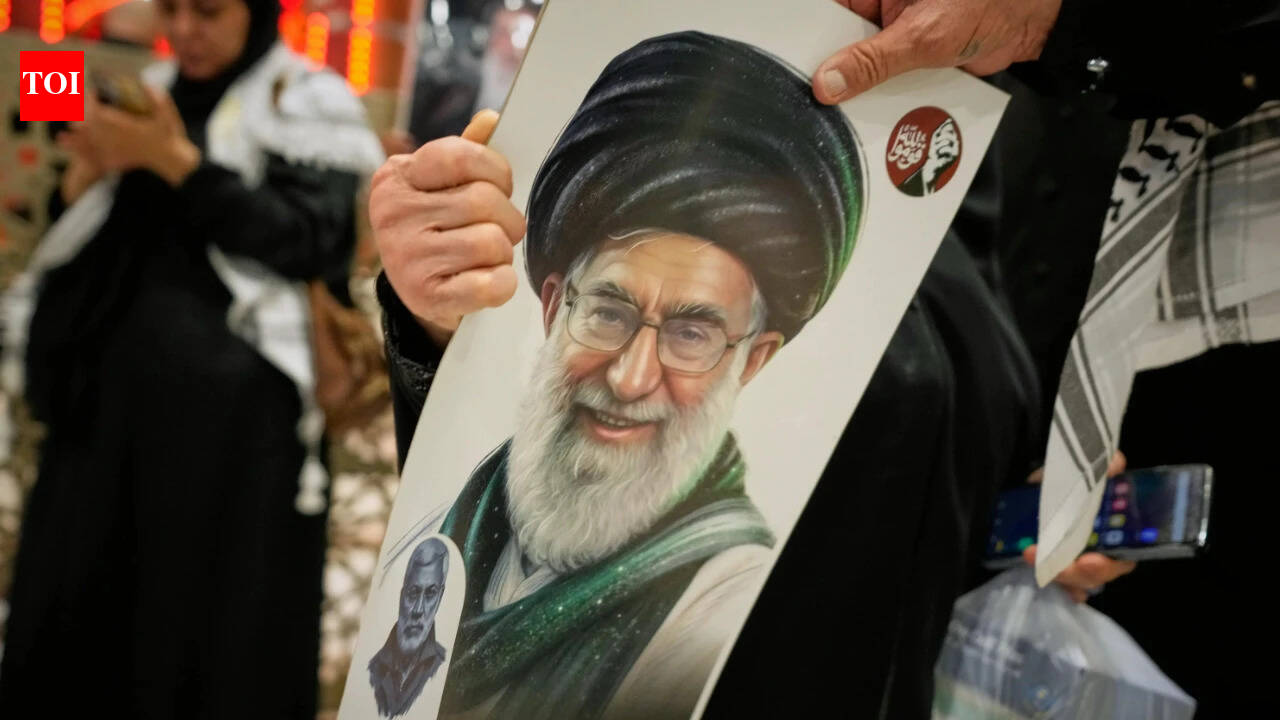
Israeli opposition leader Yair Golan has publicly criticized the assassination of Iranian Supreme Leader Ali Khamenei. He argues the move was strategically counterproductive and labels the goal of regime change in Iran as unrealistic.
The Strategic Fallout of the Khamenei Assassination
A Controversial Assessment from the Opposition
Yair Golan, the leader of Israel’s Democratic Party, has ignited a significant debate regarding the strategic efficacy of the ongoing US-Israeli war on Iran. His recent assertion that the assassination of Iranian Supreme Leader Ali Khamenei was a "mistake" serves as a rare point of public dissent against the military operations that commenced on February 28. While Golan does not dispute the moral or ideological justification for removing a figure like Khamenei, he emphasizes that national security decisions must be measured by their utility to the state’s long-term interests rather than purely kinetic outcomes.
The Disconnect Between Tactical Success and Strategic Goals
Golan’s critique centers on the distinction between achieving a tactical victory and securing a strategic advantage. By removing the 86-year-old leader in an airstrike on his Tehran compound, the coalition forces successfully decapitated the Iranian leadership structure. However, Golan contends that this action failed to yield the intended stability. Instead, such high-value assassinations often lead to power vacuums, internal radicalization, or the hardening of regional proxy networks, which may ultimately complicate Israel's security landscape rather than simplifying it.
Questioning the Viability of Regime Change
Beyond the specific incident of the assassination, Golan has cast doubt on the broader political objectives currently championed by Prime Minister Benjamin Netanyahu. The administration’s stated goal of toppling the Iranian government is viewed by Golan as "unrealistic." This skepticism highlights a fundamental divide in Israeli political thought: the belief in military-led regime change versus the more cautious approach of containment or diplomatic pressure. Golan suggests that the collapse of the central authority in Tehran may not lead to a pro-Western transition, but rather to prolonged chaos.
Historical Precedents and Future Risks
History has shown that the removal of long-standing authoritarian figures in the Middle East rarely follows a predictable trajectory. The power vacuum created by such interventions frequently invites opportunistic rivals and escalates regional instability. By publicly labeling the operation a strategic error, Golan is positioning his party to challenge the current administration's reliance on high-intensity military interventions, advocating instead for a more pragmatic assessment of the regional geopolitical reality.
Conclusion: Assessing the Path Forward
As the war progresses, the debate over the assassination of Khamenei will likely intensify. Yair Golan’s comments serve as a reminder that even in times of active conflict, the domestic political landscape in Israel remains deeply polarized regarding the best way to handle the Iranian threat. Whether the assassination ultimately proves to be a strategic misstep or a necessary catalyst for regional shifts remains a subject of intense scrutiny, with the long-term impact on Israel’s national security interests still waiting to be fully realized.