Gurugram Police releases YouTuber Dhruv Rathee from detention
Source Entity
Alok Singh
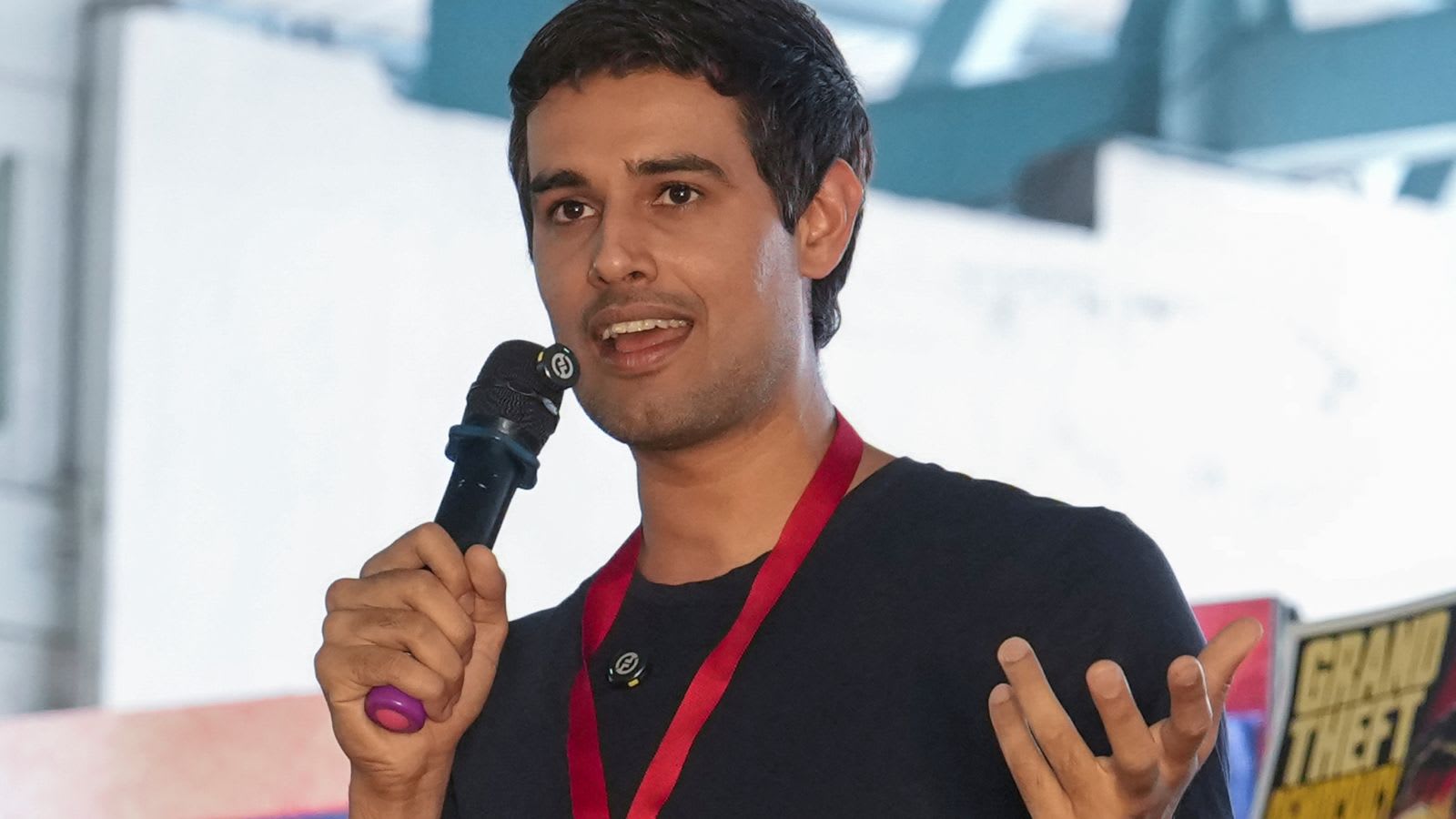
YouTuber Dhruv Rathee was released after being detained during a massive crackdown on the Cockroach Janata Party protest in Delhi. Authorities arrested over 6,000 individuals, while Northern Railway has now restored most passenger train services following the unrest.
The Delhi Crackdown: An Overview
The recent events in the National Capital Territory of Delhi have highlighted a significant escalation in tensions between state authorities and protest organizers. The detention of prominent YouTuber Dhruv Rathee from his residence in Gurugram’s Sector 56 serves as a focal point for a broader security operation aimed at curbing the Cockroach Janata Party (CJP) protest. This operation saw a massive mobilization of law enforcement, resulting in the detention of over 6,000 individuals, including political leaders and activists.
Security Measures and Tactical Response
The police strategy was characterized by a wide-net approach, involving the deployment of extensive traffic restrictions beginning at 6 a.m. on October 10. Key arterial roads, specifically Janpath and Ashoka Road, were effectively blockaded by security forces. Reports indicate that police personnel were equipped with tear gas munitions and held extensive debriefing sessions to coordinate their response, underscoring the perceived scale of the threat posed by the gathering at Jantar Mantar.
The Detention of Dhruv Rathee
Dhruv Rathee’s involvement and subsequent detention by three Crime Branch teams provide insight into the government’s efforts to manage the influence of social media figures during periods of civil unrest. Held for questioning for approximately an hour, his release in the early hours of Sunday morning marks the conclusion of a high-profile detention that drew significant public attention. His status as a prominent digital creator highlights the intersection of online influence and offline political mobilization.
Logistical Impact on Infrastructure
The protests caused significant disruption to the regional transport network, necessitating the temporary suspension of numerous rail services. The Northern Railway faced substantial traffic congestion in the Delhi area, leading to the cancellation of passenger trains to manage the flow of traffic and ensure security. The restoration of 214 passenger trains, as announced by Chief Public Relations Officer Himanshu Shekhar Upadhyay, signals a return to normalcy, though 30 services remain impacted.
Implications for Future Civil Discourse
The scale of the detentions and the preemptive nature of the security clampdown raise questions about the future of public assembly in the capital. With thousands of protesters, including opposition leaders, being processed through the legal system, the event represents a critical moment for civil rights and the right to protest in India. The normalization of railway operations provides a temporary relief to commuters, but the underlying political friction remains a defining feature of the current landscape.
Conclusion
As the dust settles, the restoration of train services and the release of key figures like Dhruv Rathee indicate a de-escalation of immediate tensions. However, the mass detention of 6,000 people and the heavy-handed security tactics employed suggest that the government is maintaining a stringent stance against protests demanding the resignation of the Chief Election Commissioner. The events of this week will likely serve as a case study for future interactions between state security apparatuses and organized political dissent.
Multiple Citing Sources