Trump taps Russia to boost global diesel supplies ahead of midterms. It may be ‘too little, too late,’ says strategist.
Source Entity
Victor Reklaitis
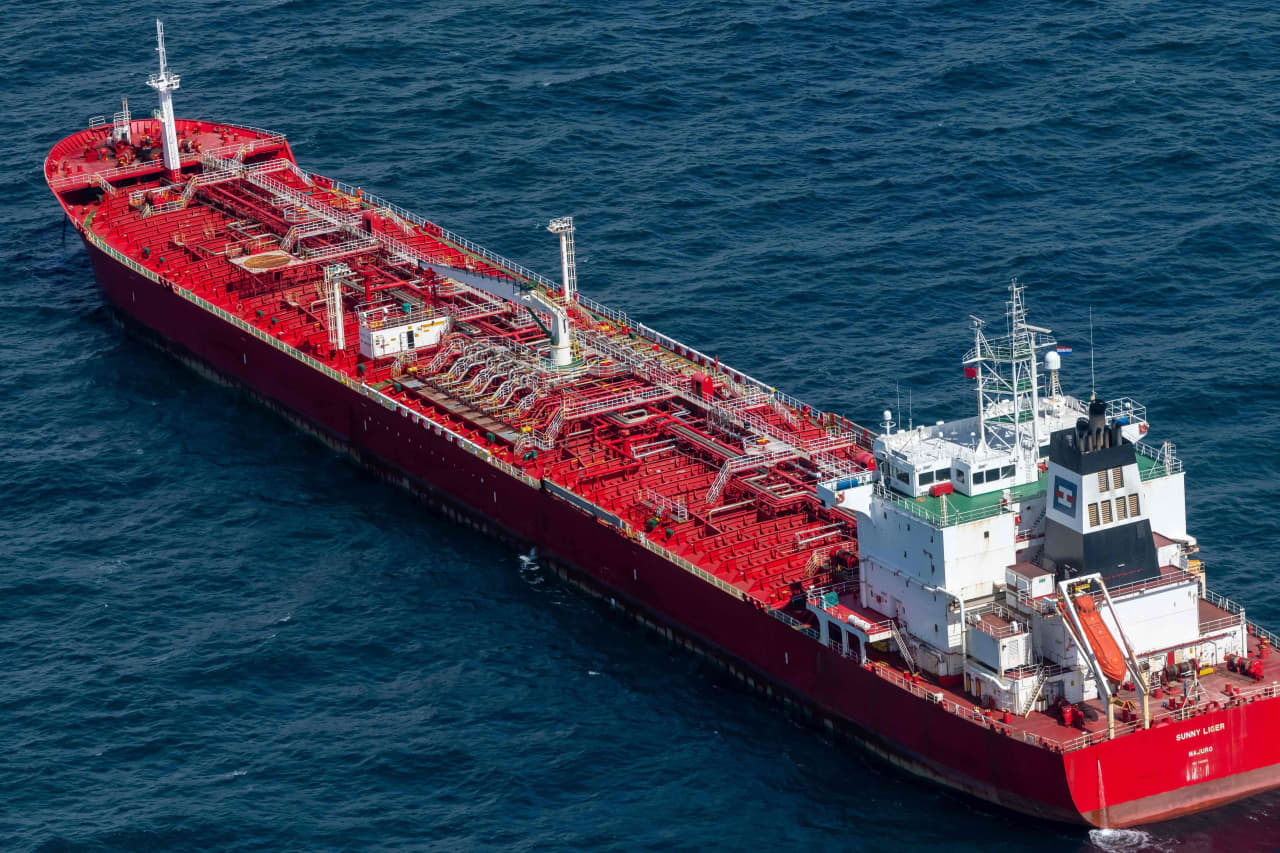
President Trump has reached a deal with Vladimir Putin to resume Russian diesel exports to global markets, supported by a temporary U.S. sanctions waiver. This move aims to stabilize surging global fuel prices caused by refinery attacks in Russia and the Middle East.
Strategic Energy Realignment: The US-Russia Diesel Agreement
In a significant pivot of American foreign and energy policy, President Donald Trump has announced a deal with Russian President Vladimir Putin to restore the flow of Russian diesel to global markets. This move, accompanied by the lifting of specific US sanctions on Russian diesel sales through April 2027, marks a departure from previous restrictions imposed on Moscow's energy sector. The administration frames this decision as a critical intervention to alleviate the economic strain caused by rising fuel costs.
The Mechanics of the Supply Surge
According to the details provided by the White House, the agreement mandates an immediate supply of over 300,000 tons of diesel, with a subsequent shipment of 500,000 tons slated for November. This is expected to scale rapidly to 1 million tons, followed by a long-term commitment of 3 million tons, contingent upon the operational status of Russian refineries. By reintroducing these volumes into the global supply chain, the administration hopes to create a cooling effect on volatile energy prices.
Addressing the Global Supply Crisis
Global fuel markets have faced immense pressure due to a 'perfect storm' of geopolitical instability. Ukraine’s strategic military campaign targeting Russian refinery infrastructure significantly hampered Moscow's output, leading to internal export bans that tightened global supply. Simultaneously, regional instability in the Middle East—specifically attacks on refineries attributed to Iran and its Houthi allies—has further constrained the availability of refined products, driving prices upward for consumers worldwide.
Political Pressure and Economic Strategy
President Trump’s decision comes amid intensifying domestic political pressure to curb inflation and lower fuel costs for American households. By facilitating this deal, the administration is prioritizing immediate price stabilization over the long-standing policy of total energy isolation for Russia. The expectation is that the influx of millions of tons of diesel will provide the necessary buffer to prevent further price spikes as the global market adjusts to ongoing infrastructure vulnerabilities.
Future Implications and Market Stability
Looking ahead, the success of this initiative hinges on the physical capacity of Russian refineries to meet these production targets. The conditionality clause regarding refinery health suggests that the administration is aware of the degradation caused by recent conflict. As the US moves forward with this sanctions waiver through 2027, the global energy market will likely experience a shift in pricing dynamics, though the long-term impact on geopolitical relations and the ongoing conflict in Eastern Europe remains a subject of intense debate.
Conclusion
This agreement represents a calculated trade-off between geopolitical objectives and immediate economic relief. By bridging the gap between Russian supply and global demand, President Trump aims to mitigate the inflationary impact of energy scarcity. Whether this policy succeeds in permanently lowering costs while navigating the complexities of current international conflicts will be a defining metric of the administration's energy strategy in the coming months.
Multiple Citing Sources
Verification Required?