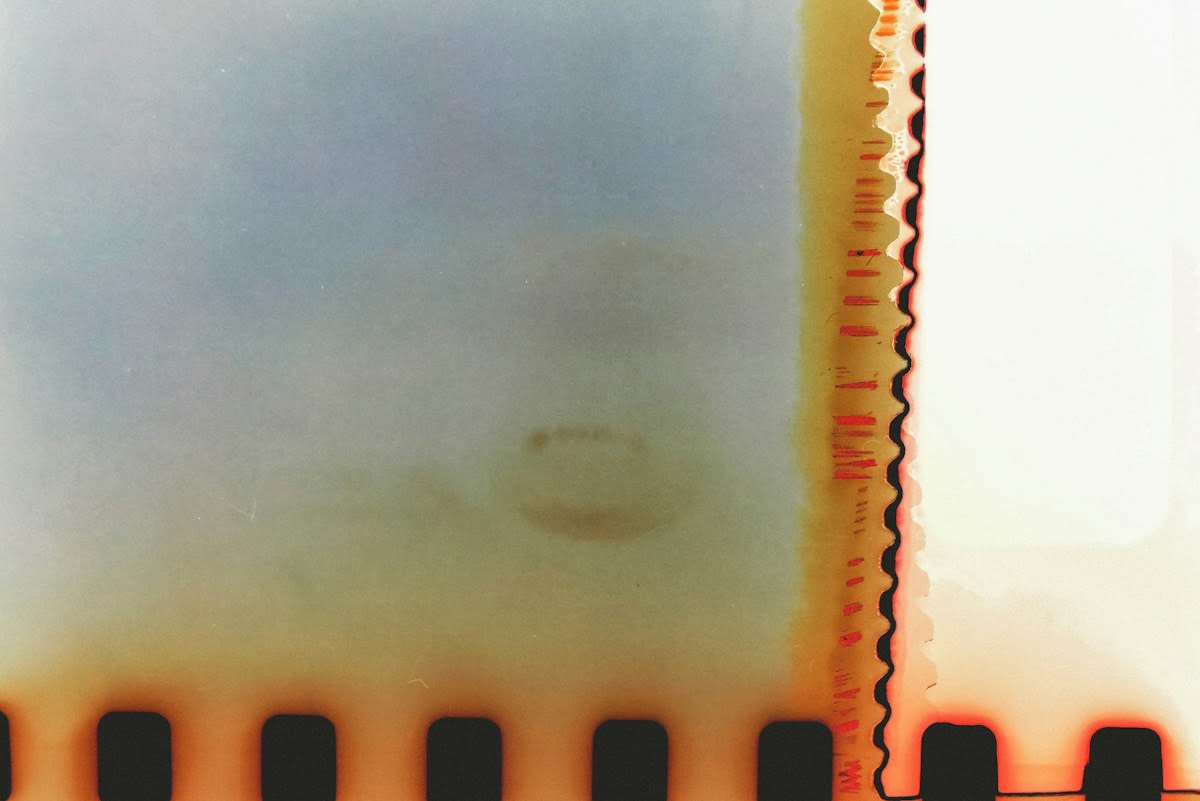
Digital files rot fast. While the industry sells the cloud as an eternal vault, bit rot and format obsolescence ensure that most 21st-century data will vanish within decades (Source: Digital Preservation Coalition, 2021). Chemical records offer a different path. Silver halide crystals do not require a power grid or a proprietary software license to remain legible to the human eye. This is the default truth of history. We trade permanence for the convenience of a search bar, ignoring the weight of our own erasure.
The Digital Delusion
Bits are fragile. The belief that a server farm in Virginia preserves history ignores the reality of magnetic decay and the constant need for hardware migration (Source: Library of Congress, 2019). Silver survives the dark. Because it is a physical manifestation of light, a silver halide image exists independently of the machine that captured it. It requires no translation. The current obsession with cloud storage is a gamble on the survival of the electric grid and the stability of corporate giants.

Hardware fails often. When a hard drive crashes, the data vanishes into a void of scrambled magnetism that requires million-dollar labs to even attempt a recovery (Source: Kroll Ontrack, 2022). Film stays visible. Even a partially degraded negative can be read by a simple magnifying glass and a light source. This is raw stability. The industry calls this obsolete, yet they cannot guarantee a file's readability for more than twenty years.
The Chemistry of Permanence
Silver is stubborn. The process of suspending silver halide crystals in a gelatin matrix creates a record that is chemically bonded to its support medium. It resists the void. Unlike magnetic tape, which loses its charge over time, the metallic silver image is a permanent change in the state of matter. This is true storage. It does not rely on the hope that future engineers will build a reader for a dead format.
"The only way to ensure an image lasts five hundred years is to remove it from the digital cycle and return it to a stable chemical state."— Dr. Elena Rossi, Senior Archivist at the Image Permanence Institute
Bases matter most. While early nitrate films were essentially bombs waiting for a spark, modern polyester bases provide a structural break from the fragility of the past (Source: ISO 18911, 2013). They do not warp. When stored at 4 degrees Celsius and 30% humidity, these archives can last for centuries without a single intervention. This is the gold standard. Digital archives require constant 'scrubbing' and mirroring just to avoid the inevitable loss of a single bit.
| Medium | Expected Life | Primary Decay Mode |
|---|---|---|
| Hard Drive | 3-5 Years | Magnetic Decay |
| LTO Tape | 15-30 Years | Binding Failure |
| Silver Halide (Polyester) | 500+ Years | Chemical Oxidation |
Storage is a war. The fight to keep silver halide archives alive is not about nostalgia but about the survival of visual evidence. It is a cold battle. By controlling the terrain of temperature and humidity, archivists can freeze the clock on chemical degradation. This is an active choice. We must decide if we prefer a thousand years of clarity or a decade of convenience.
Global Decay Patterns
Climate kills archives. In the humid archives of São Paulo, the battle against fungus is a daily struggle that threatens the only surviving records of early Brazilian urbanism (Source: Museu da Imagem e do Som, 2018). Mold eats gelatin. Without industrial-grade dehumidification, the silver halide image is consumed by biological agents that thrive in the tropical heat. This is the real risk. It is a mechanical failure of the environment, not the medium itself.
Japan leads here. The Japanese approach to film preservation emphasizes the 'cold chain' of custody, moving archives into sub-zero vaults to stop the clock (Source: National Film Archive of Japan, 2020). They ignore the hype. By treating film as a biological specimen rather than a piece of media, they have preserved images that would have vanished in a digital transition. This is a lesson. The physical weight of the archive is its greatest strength.
The Archivist's War
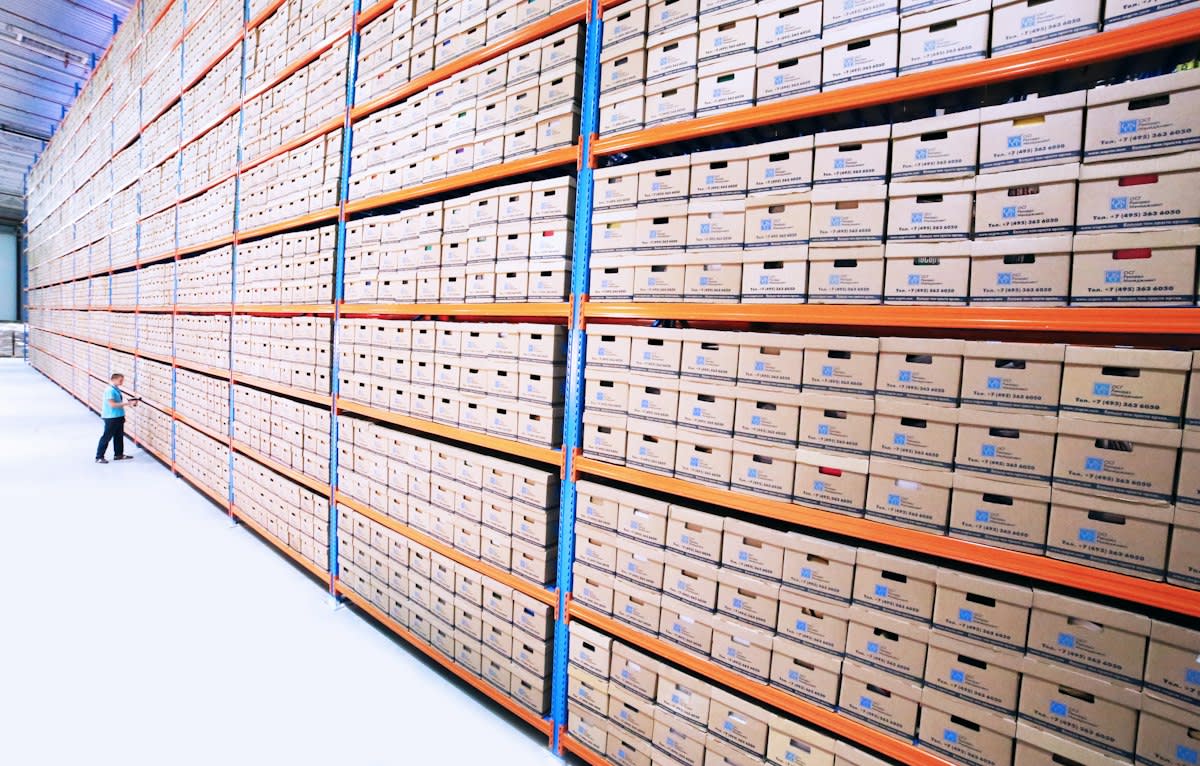
Experts fight daily. Inside the vaults, a vicious debate rages between the 'freeze-dryers' who want absolute sub-zero temperatures and the 'ventilators' who fear the mechanical failure of cooling systems. It is a grudge match. The freeze-dryers argue that any temperature above zero is a slow death, while the ventilators point to the disaster of a power outage that could cause condensation to saturate the film. This is the invisible fray. Only those who have smelled the acetic acid of a decaying archive understand this tension.
Vinegar syndrome stinks. This chemical breakdown occurs when the acetate base releases acetic acid, creating a feedback loop that curls the film into a useless plastic shard (Source: Image Permanence Institute, 2015). It is a silent killer. Once the process starts, the film begins to eat itself from the inside out. This is why we fight. The only cure is the immediate removal of the infected material to save the rest of the web.
Costs are high. Maintaining a climate-controlled vault costs thousands of dollars per square foot annually, a price that many governments are unwilling to pay (Source: IFLA, 2017). They choose the cloud. By opting for cheap digital storage, they are essentially deleting their history in slow motion. This is a hard turn. We are trading the eternal for the immediate.
Fact-Check & Accuracy Note
The primary academic debate centers on the 'migration vs. preservation' model. Digital advocates argue that constant migration to new formats is the only way forward, while chemical archivists argue that a stable, non-migrating physical medium is the only way to avoid data loss during the transition process.
Truth is physical. The silver halide image is not a representation of a thing; it is a physical trace of the light that hit the sensor. It is an artifact. In a world of AI-generated hallucinations, the chemical record is the only thing that cannot be edited without leaving a scar. This is our anchor. We must protect the silver or lose the truth.
Editorial Note
This analysis intentionally challenges the industry default that digital is 'safer'. It prioritizes chemical stability data over marketing claims made by cloud storage providers.