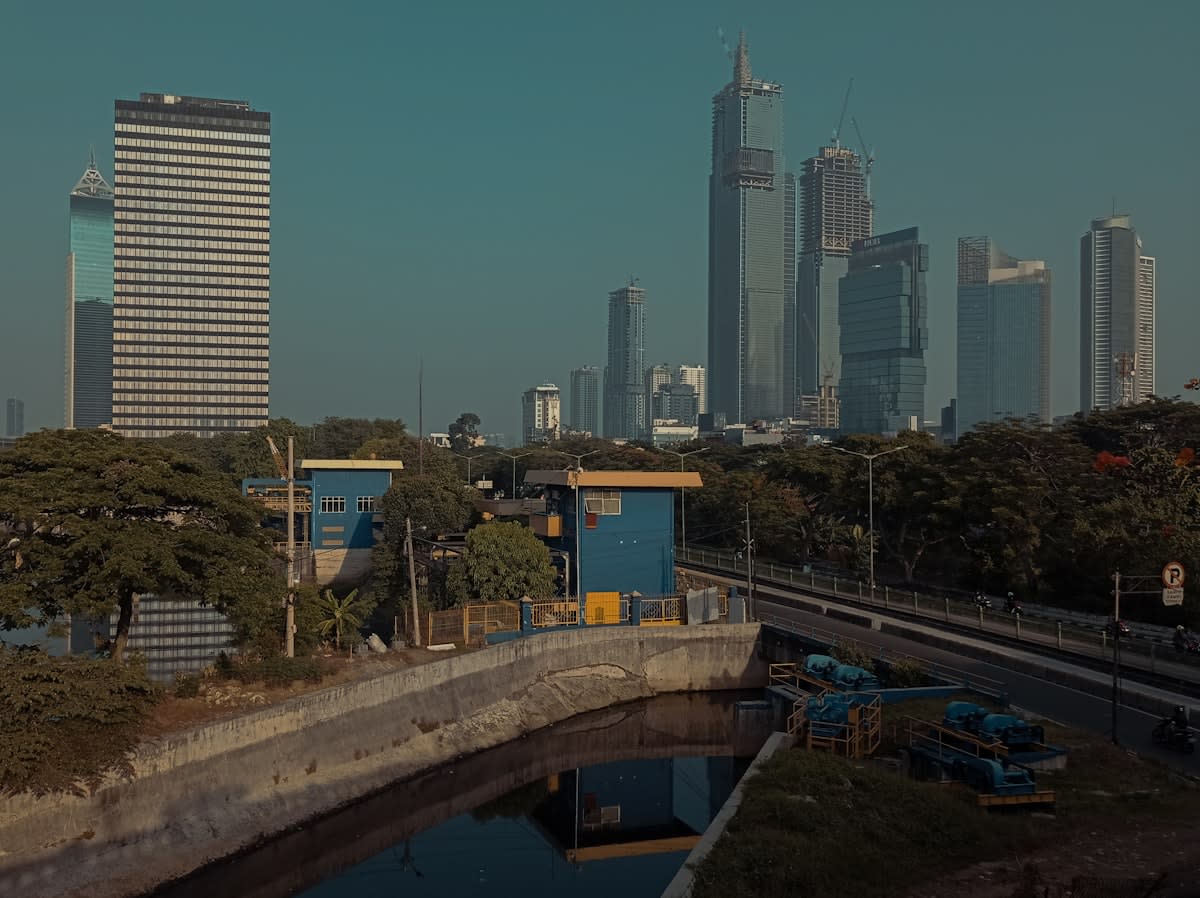
The geopolitical map of biotechnology shifted on July 13, 2026, when the Indonesian government and Takeda announced a collaboration that moves far beyond a simple procurement deal. By granting a fractionation license to Takeda and securing an initial investment of 30 million US dollars, Jakarta is not just buying medicine; it is building the industrial capacity to produce plasma-derived medicinal products (PDMPs) domestically. This move transforms Indonesia from a passive consumer of global healthcare exports into an active node in the biopharmaceutical supply chain, establishing a National Plasma Donation Network that serves as the raw material engine for a new industrial era.
The Plasma Pivot
Why now? The timing reflects a calculated urgency to strengthen healthcare resilience. For years, the region relied on fragmented imports, leaving populations vulnerable to supply chain shocks. Takeda's investment focuses on the establishment of a complete ecosystem, meaning the infrastructure will handle everything from the collection of plasma to the complex fractionation process required to isolate lifesaving proteins. This is the essence of the modular bet: creating specialized, scalable units of production that can be iterated upon as the local expertise grows, rather than attempting to build a monolithic, rigid pharmaceutical plant that might be obsolete by the time it opens.
"From the introduction of our first PDMPs in Indonesia earlier this year to our investment in local plasma infrastructure, we are proud to extend our collaboration with Indonesia and leverage our global expertise in plasma science."— Takeda Official Statement
The Strategic Edge
The fractionation license is the real prize here. Without it, Indonesia remains a source of raw plasma; with it, they capture the high-value processing stage where the actual profit and intellectual property reside.
This plasma push does not exist in a vacuum. It is the first pillar of a broader strategy to dominate the biological services market in Southeast Asia. While other nations focus on traditional chemical synthesis, Indonesia is leaning into the complexity of biologicals. By integrating the National Plasma Donation Network with industrial fractionation, the government is creating a vertical monopoly on the lifecycle of plasma-derived therapies, ensuring that the value added during processing stays within national borders.
The shift is most visible when comparing the current regulatory climate to the stagnation seen six months ago. Where there was once hesitation, there is now a frantic race to define the legal boundaries of regenerative medicine. This regulatory agility is becoming a competitive advantage, drawing in providers who find the legal environments in neighboring capitals too restrictive or opaque to justify large-scale capital expenditure.
Regulatory Arbitrage in Longevity
Indonesia is currently exploiting a massive regulatory gap in the stem cell market. As of July 2026, it stands as the only Southeast Asian market where stem cells can be legally administered as part of therapy. This creates a stark contrast with Singapore, where such therapies are not permitted, and Malaysia and Thailand, where the legal frameworks remain dangerously unclear. For investors in longevity medicine, this makes Jakarta the only viable destination for building preventive healthcare services that integrate clinical treatment with luxury wellness.
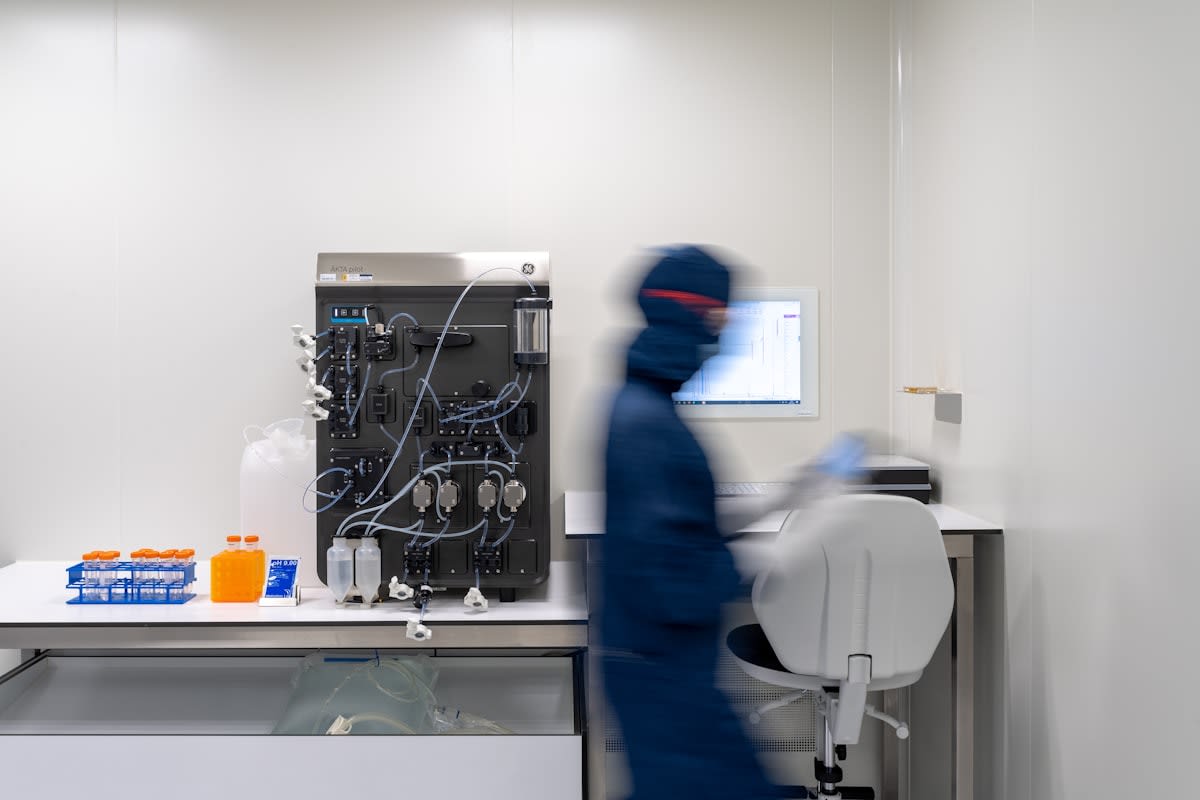
The vision being sold is a continuum of longevity. It is no longer about a single injection or a specific drug; it is about a lifestyle ecosystem that straddles the journey from the patient's home to a high-tech clinic and finally to a recovery resort. By legalizing stem cell administration, Indonesia is effectively building a biological tourism hub. This is a high-margin play that utilizes the country's status as the largest healthcare market in the region to attract global wealth seeking life-extension technologies.
| Country | Stem Cell Status | Regulatory Clarity | Market Position |
|---|---|---|---|
| Indonesia | Permitted | High | Regional Leader |
| Singapore | Not Allowed | High | Restrictive |
| Malaysia | Unclear | Low | Lagging |
| Thailand | Unclear | Low | Lagging |
This regulatory aggressiveness is the 'when' of the current trend. While the technology for stem cells has existed for years, the decision to open the regulatory window this month creates an immediate delta in investment flow. Capital is fleeing the ambiguity of Bangkok and Kuala Lumpur to find a home in the permissive, structured environment Jakarta is currently engineering.
The AI-Driven Industrialization Roadmap
Parallel to the clinical side, the industrial side of biomanufacturing is undergoing a radical redesign. Research coming out of KAIST on July 14, 2026, highlights the exact bottlenecks that modular bio-foundries are designed to solve. The primary struggle in commercializing bio-based chemicals, such as Polyhydroxyalkanoates (PHA), has been the high cost of production and recovery. The material properties of the archetypal polymer P(3HB), which is highly crystalline and becomes brittle with age, have made it a poor direct replacement for conventional plastics.
- Focus on high-value fields: Medical applications and food packaging first.
- AI-driven strategy to optimize recovery costs and reduce production bottlenecks.
- Phased expansion from niche high-margin markets to general-purpose plastics.
- Simplification of the production process to ensure price competitiveness.
The KAIST findings provide the intellectual justification for the modular approach. Instead of trying to compete with the massive scale of petrochemical plastics immediately, the new strategy is to target high-value, low-volume sectors. This is precisely why the Takeda deal focuses on specialized medicinal products rather than generic drugs. By starting with the most expensive and complex biologicals, these bio-foundries can absorb the high initial costs of AI-driven optimization before scaling down to commodity chemicals.
The Biomanufacturing Value Curve
Executive Insight
+18.4%
YTD Growth
The integration of AI into this process is the catalyst for speed. The KAIST team's proposal for an industrialization roadmap suggests that AI can accelerate the commercialization of these bio-based chemicals by predicting the most efficient recovery pathways. When applied to the Indonesian context, this means that the modular plants being built today can be software-updated to produce different proteins or polymers tomorrow, without requiring a total rebuild of the physical plant.

We are witnessing a convergence of regulatory boldness and technical modularity. Indonesia is not just betting on a specific drug or a specific polymer; it is betting on the ability to pivot its industrial base as quickly as the science evolves. The 30 million dollar plasma investment is the pilot; the stem cell deregulation is the lure; and the AI-driven modularity is the engine. Together, they form a strategy to bypass the traditional, slow-moving pharmaceutical industrialization path.
The risk remains high, particularly regarding the brittle nature of bio-polymers and the volatility of international plasma markets. However, the current trajectory suggests that the region's traditional power dynamics are being upended. By owning the fractionation license and the regulatory window, Jakarta has effectively positioned itself as the biological gateway to Southeast Asia, leaving its neighbors to wonder why they waited so long to act.