
The optics of July 2026 suggest a golden age of aviation. NASA is actively testing jets for supersonic flight, pushing the boundaries of what is aerodynamically possible. Yet, look beneath the flight telemetry and a grimmer picture emerges. The distance between a successful test flight at Edwards Air Force Base and a commercially viable Supersonic Business Jet (SSBJ) is not measured in miles, but in the thickness of three infrastructure walls: regulatory, electrical, and industrial. These are not mere hurdles; they are systemic failures that could render the most advanced propulsion systems useless.
Six months ago, the industry operated on a wave of optimism, assuming that technical breakthroughs would force the hand of regulators. That assumption was a mistake. The current atmosphere is one of cautious hesitation. While the propulsion systems are ready to break the sound barrier, the frameworks required to manage them on the ground and in the air are lagging. We are seeing a divergence where the physics of flight have outpaced the physics of bureaucracy.
The Regulatory Vacuum
The Federal Aviation Administration's (FAA) latest Notice of Proposed Rulemaking (NPRM) regarding supersonic flight was meant to be the catalyst for a new era. Instead, it has become a point of contention. Aviation Week's analysis from July 13, 2026, raises a fundamental question: Is this NPRM actually enough to spawn a viable SSBJ market? The current rules offer a glimpse of a path forward, but they lack the definitive clarity required for manufacturers to commit billions in capital. Investors do not bet on 'proposed' rules; they bet on certainties.
"The regulatory framework currently resembles a sketch rather than a blueprint, leaving SSBJ developers to build aircraft for a set of rules that may change before the first commercial hull is even delivered."— Industry Analysis, Aviation Week
Why does this matter now? Because the window for investment is closing. The ambiguity of the FAA's position creates a risk profile that is unacceptable for most aerospace firms. If the rules regarding sonic booms over land remain fluid, the primary value proposition of supersonic travel—time saved—is neutralized. We are witnessing a stalemate where the technology is ready, but the legal permission to utilize it remains trapped in a cycle of proposed amendments and public comments.
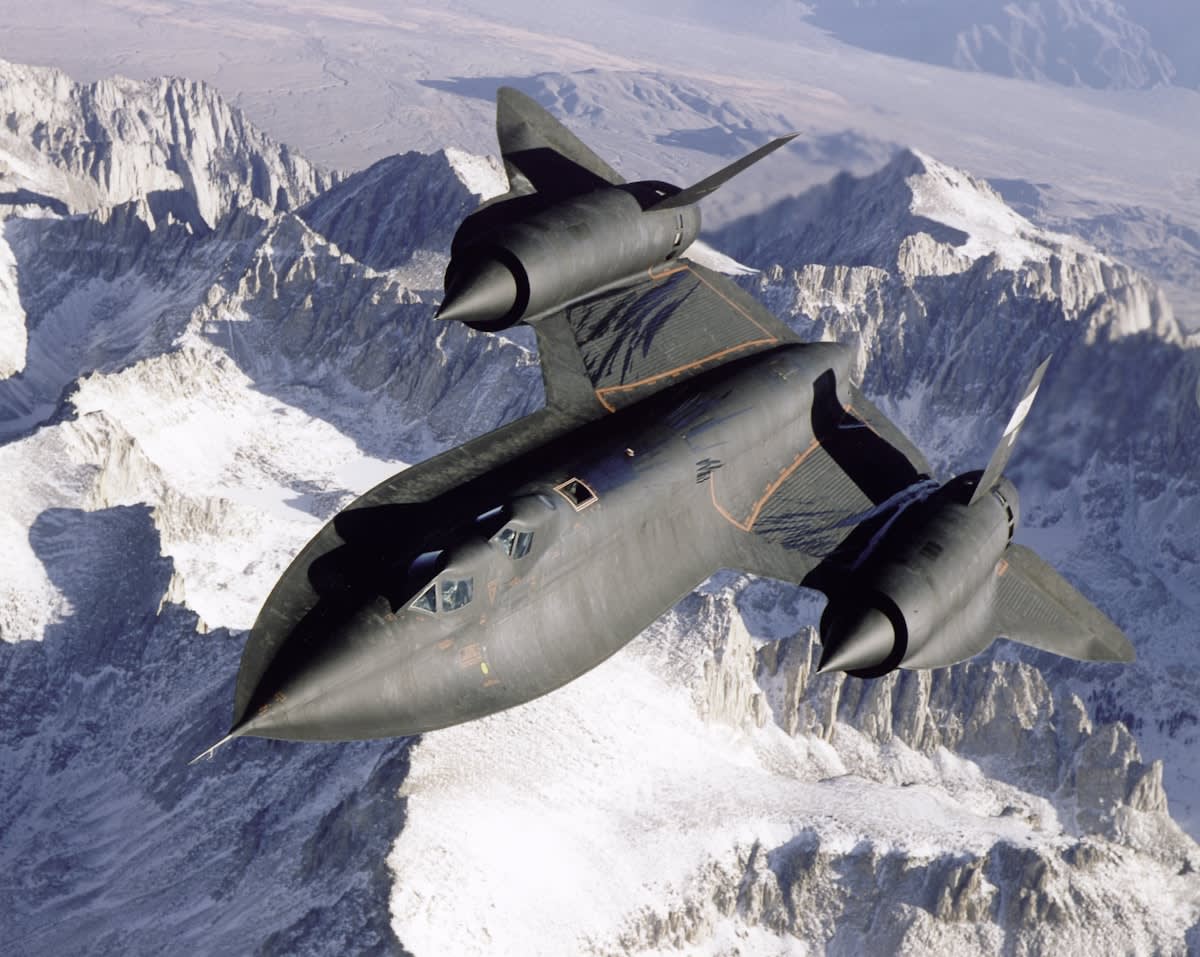
This regulatory friction is not isolated to the US. Global aviation standards are inherently linked. If the FAA fails to provide a clear runway, international bodies will hesitate, creating a fragmented sky where supersonic jets are banned in some jurisdictions and tolerated in others. This fragmentation kills the network effect required for a global supersonic transport system to function.
The Power Grid Paradox
Beyond the law lies the concrete and copper of the airport. Supersonic propulsion demands more than just faster engines; it requires a massive overhaul of ground support infrastructure. Look at the Centralny Port Komunikacyjny (CPK) in Poland. This flagship project, designed to be one of Europe's top 15 hubs, has only just started the procurement process for its power supply system as of July 2026. The sheer scale of energy required to support a modern, high-capacity hub is staggering, and supersonic operations only amplify this demand.
Supersonic aircraft require specialized fueling systems, advanced cooling for high-temperature components during turnaround, and high-voltage ground power for avionics that far exceed those of subsonic jets. If a hub like CPK is only now figuring out its basic power supply, the prospect of integrating specialized supersonic infrastructure feels like a distant fantasy. The energy density required for these operations is not currently reflected in the planning of most global airports.
| Infrastructure Element | Subsonic Requirement | Supersonic Requirement | Current Readiness |
|---|---|---|---|
| Ground Power (kW) | Standard | Ultra-High | Low |
| Fueling Throughput | Moderate | Accelerated/Specialized | Moderate |
| Thermal Management | Passive | Active/Industrial | Very Low |
| Grid Stability | Standard | High-Resilience | Fragmented |
The 'so what' here is simple: you cannot run a 21st-century propulsion system on a 20th-century grid. The procurement delays in Poland are a canary in the coal mine for the rest of Europe and Asia. If the most ambitious new airport projects are struggling with basic power procurement, the specialized infrastructure needed for supersonic jets will be an afterthought, effectively grounding the fleet even if the planes are airworthy.
Does the industry realize the magnitude of this electrical wall? Most manufacturers focus on the engine's thrust-to-weight ratio, but few are accounting for the kilowatt-hours required to sustain a supersonic fleet's ground operations. This is a blind spot that could lead to a scenario where planes are delivered to airports that cannot actually power them.
The Fragile Arteries of Production
The third wall is the most invisible and the most dangerous: the supply chain. In July 2026, the US aerospace industry is openly chasing stability. This is not a minor logistical hiccup; it is a systemic fragility. Supersonic propulsion relies on exotic alloys, precision ceramics, and high-tolerance components that are produced by a handful of specialized vendors. When the supply chain wavers, the production of these critical components stops.
The financial instability of the sector is already manifesting. A Dutch start-up recently failed to raise the 20 million euros it needed to continue operations, illustrating that the appetite for high-risk aerospace ventures is shrinking. While giants like Rocket Lab are consolidating power through an 8 billion dollar deal to acquire Iridium Communications, the smaller, specialized firms that provide the 'nuts and bolts' of supersonic propulsion are starving for capital.
The Consolidation Trend
The Rocket Lab-Iridium deal signals a shift toward vertical integration. In an unstable supply chain, the only way to guarantee delivery is to own the entire process. This leaves independent innovators in the dust.
Furthermore, the organizational structure of aerospace is fracturing. Honeywell Aerospace's move toward a separate Nasdaq listing via a stock spinoff suggests a move toward leaner, more agile units. While this may benefit shareholders, it disrupts the integrated engineering ecosystems that are essential for developing something as complex as a supersonic engine. The fragmentation of these corporate giants mirrors the fragmentation of the supply chain itself.
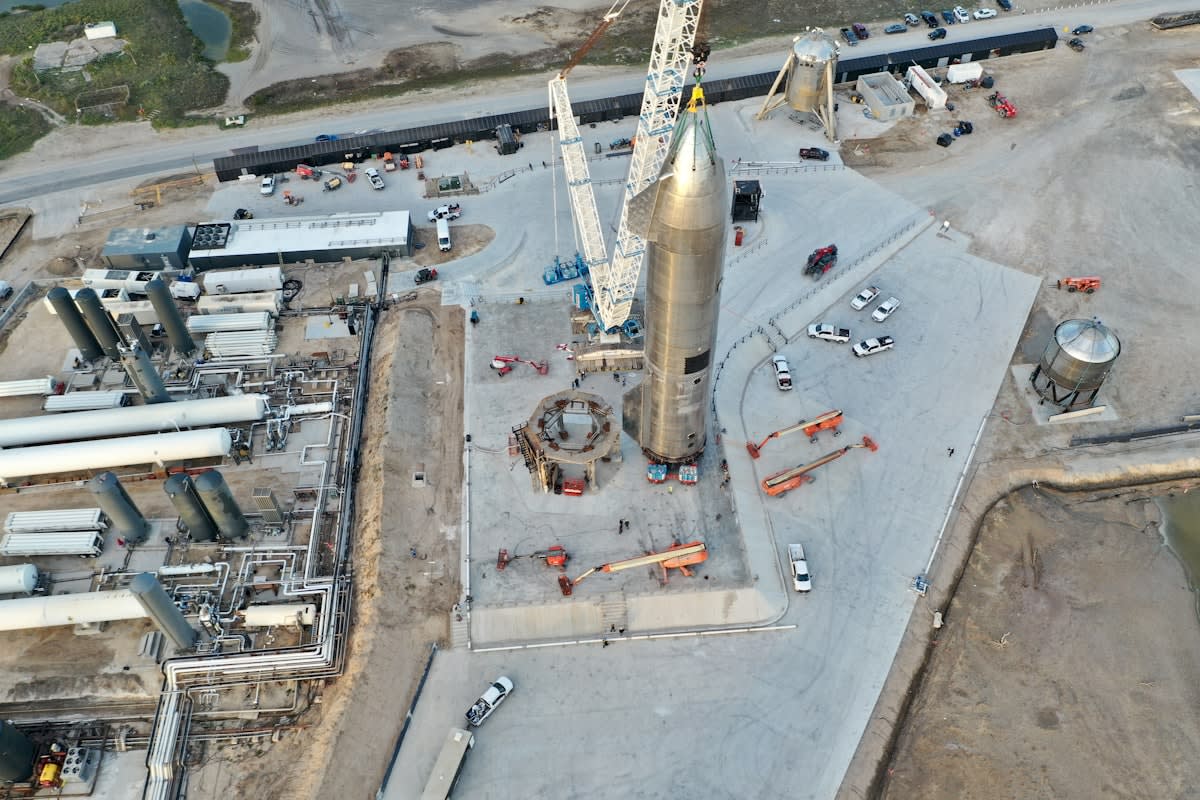
When we compare the state of the industry now to 12 months ago, the 'delta' is stark. In 2025, the conversation was about 'if' we could fly supersonic again. In July 2026, the conversation has shifted to 'where' we will find the parts and the power to make it happen. The technical challenge has been solved by NASA's research, but the industrial challenge has only grown more complex.
Can the industry survive this trifecta of failure? Only if there is a coordinated effort to treat airport power and regulatory frameworks as part of the propulsion system itself. An engine that cannot be fueled, a plane that cannot be legally flown, and a part that cannot be manufactured are all the same thing: a failure of infrastructure.
The tragedy of supersonic propulsion is that the brilliance of the engineers is being neutralized by the inertia of the infrastructure. We are building the future of flight on a foundation of crumbling grids and hesitant laws. Unless the 'walls' are dismantled, the supersonic dream will remain a series of impressive NASA test flights that never actually take a passenger anywhere.