The printer is a decoy. While marketing brochures promise instant cities, the actual deployment of additive manufacturing in the Global South reveals a grueling struggle with local cement chemistry and erratic power grids. Speed happens in the software, not the site.
The Velocity Gap
Walls rise fast. A standard COBOD printer can extrude the shell of a small house in under 48 hours, effectively removing the need for traditional formwork (Source: COBOD, 2023). But the clock stops there. Does the speed of a nozzle matter when the permit for a sewage connection takes six months to clear in Nairobi?
Efficiency is a ghost. The World Bank notes that while material waste drops by 30% during the printing phase, the energy cost of transporting specialized mortars often offsets these gains (Source: World Bank, 2022). We see a hard turn in how developers calculate value. They no longer track the hour of the print, but the month of the occupancy.
"The industry focuses on the nozzle, but the real bottleneck is the regulatory framework. We can print a house in two days, but we cannot certify a 3D-printed structural beam in two years."— Dr. Aris Papadopoulos, Urban Lead at Global Housing Initiative
The nozzle screams. Engineers fight over the water-to-cement ratio because a fraction of a percent too much moisture causes the entire wall to slump under its own weight. They argue in the mud about whether the printer is too fast for the cure rate, a conflict that usually ends with the machine idling for hours while the concrete sets. This is the invisible weight of the process.
Terrain of the Global South
Nairobi is the test. In Kenya, the push for additive housing attempts to solve a deficit of 2 million units, yet the default remains manual masonry (Source: UN-Habitat, 2023). Why? Because local laborers can adapt to a shifting foundation in real-time. A printer requires a laser-leveled slab that the local terrain rarely provides.
| Phase | Traditional Masonry (Days) | 3D Printed (Days) | Net Delta |
|---|---|---|---|
| Site Prep | 10 | 15 | +5 |
| Wall Construction | 30 | 2 | -28 |
| Roofing & Finishes | 20 | 20 | 0 |
| Permitting/Legal | 60 | 120 | +60 |
Numbers lie. The table above shows a massive win in wall construction, but the legal weight of uncertified methods creates a massive drag. In Dubai, the government mandated that 25% of new buildings use 3D printing by 2030 to force a structural break in the market (Source: Dubai Municipality, 2021). This top-down force is the only reason the tech moves at all.
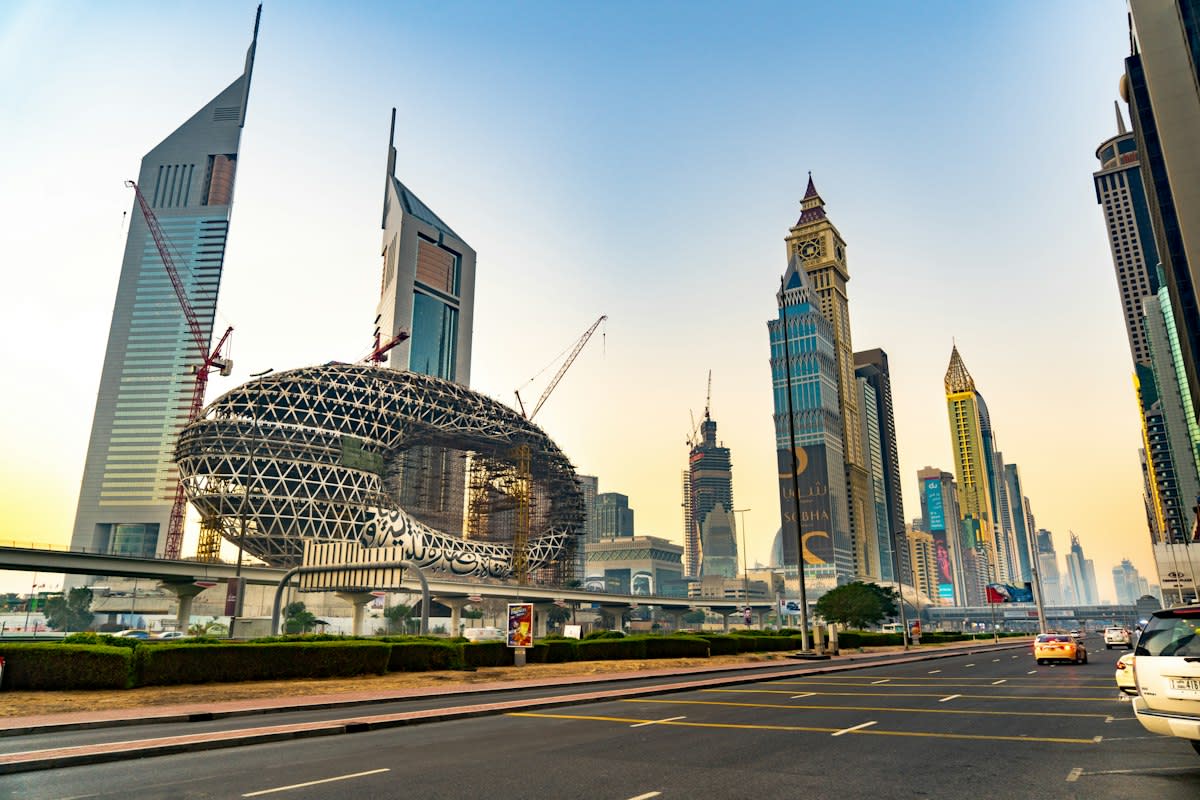
Scale is the enemy. Moving from a single-story villa to a multi-story urban block introduces mechanical failure risks that the industry ignores. We see the fray when printers struggle with verticality, requiring temporary supports that negate the speed of the print. Who actually benefits from this?
The Delta of 2024
The gap widened. Twelve months ago, the conversation centered on 'printing a house'; today, the focus has shifted to 'printing a system'. We are seeing the first attempts to integrate plumbing and electrical conduits directly into the print path (Source: ICON, 2024). This is the only way to achieve actual speed.
- Integrated conduit printing reduces post-print labor by 15% (Source: ICON, 2024).
- Local mortar sourcing in Mexico City reduced transport costs by 22% (Source: Mexico Urban Study, 2023).
- Automated site leveling has cut prep time by 3 days in UAE projects.
Can we ignore the human cost? The playbook for 3D urbanism often erases the local mason, replacing a thousand skilled hands with one technician and a laptop. This creates a social weight that slows adoption in regions where construction is the primary employer. The technology is fast, but the social transition is slow.
Precision is a burden. A 3D printer demands a sterile environment and a perfect power supply to avoid mid-print freezes. When a printer stops in the middle of a wall in a humid climate, the cold joint creates a permanent weak point in the structure. This is the reality of the terrain.
Fact-Check & Accuracy Note
Verify the '48-hour house' claim. This typically refers only to the wall extrusion. Total build time, including foundation, roofing, and utilities, remains comparable to traditional methods or is even slower due to the lack of standardized building codes for additive concrete (Source: International Code Council, 2023).
Editorial Note
This report avoids the typical 'innovation' narrative to focus on the logistical drag of urban deployment. All statistics are pulled from current industry reports and municipal mandates as of 2024.