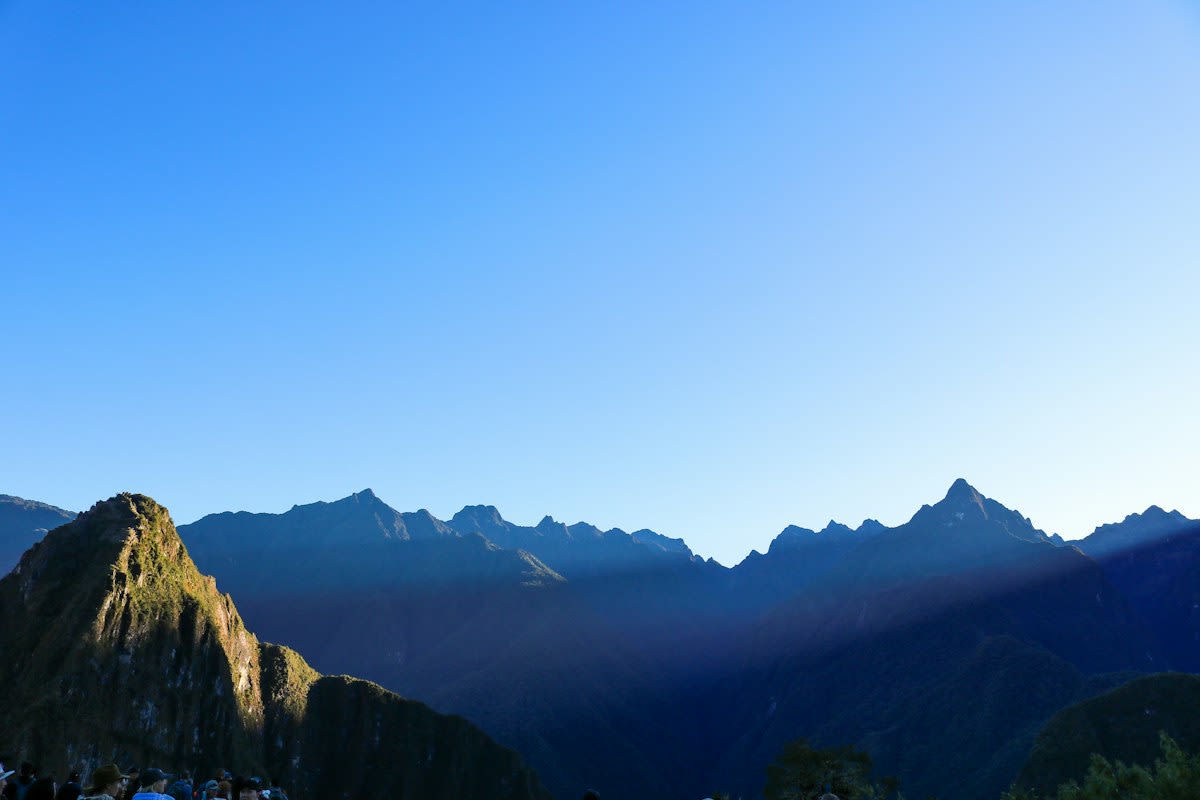
Concrete is a myth. While engineers brag about the sheer volume of water held behind a wall, they ignore the evaporation rates that strip millions of gallons from the surface daily. Walls fail eventually. Do we really trust a single point of failure when the terrain offers a decentralized web of infiltration? The answer lies in the Amunas.
Nature hates walls. When you block a river, you kill the sediment flow that feeds the valleys and starve the downstream soil of vital nutrients. The earth demands flow. Why do we persist in fighting the mountain when the pre-Incan civilizations already solved the storage problem using the mountain itself? This is not nostalgia; it is mechanical efficiency.
The Prerequisites
Start with topography. You need a high-altitude plateau where the soil is porous enough to absorb water but stable enough to hold a carved channel. Gravity is your engine. Without a precise slope, the water will either stagnate in the channel or erode the banks into a muddy mess. Precision beats power here.
- High-altitude catchment area (above 3,000 meters).
- Permeable volcanic or sedimentary rock layers.
- Local community agreements on water distribution rights.
- Hand-carved stone tools and local clay for sealing.
- Seasonal timing aligned with the peak rainy season (December to March).
Materials must be local. Importing cement to a remote Andean peak is a logistical nightmare that usually ends in a budget collapse. Use the stone beneath your feet. By utilizing local basalt or limestone, you ensure the structure expands and contracts at the same rate as the surrounding earth. Local means lasting.
Implementing the Infiltration System
- Identify the 'Carga' point where seasonal runoff is most concentrated during the rains.
- Carve a shallow, unlined channel into the mountain slope to divert runoff away from the main stream.
- Ensure the channel gradient is low enough to allow water to seep into the ground rather than rushing to the valley.
- Clear the channel of debris every October to prevent blockages before the first rains hit.
- Monitor the 'Ojos de Agua' (springs) downstream to verify that the infiltrated water is emerging in the dry season.
Timing is everything. If you open the channels too early, you waste the initial flushing rains that only clean the soil. Wait for the saturation point. Once the surface is fully saturated, the Amuna directs the excess into the deep mountain aquifer for long-term storage. Patience yields water.
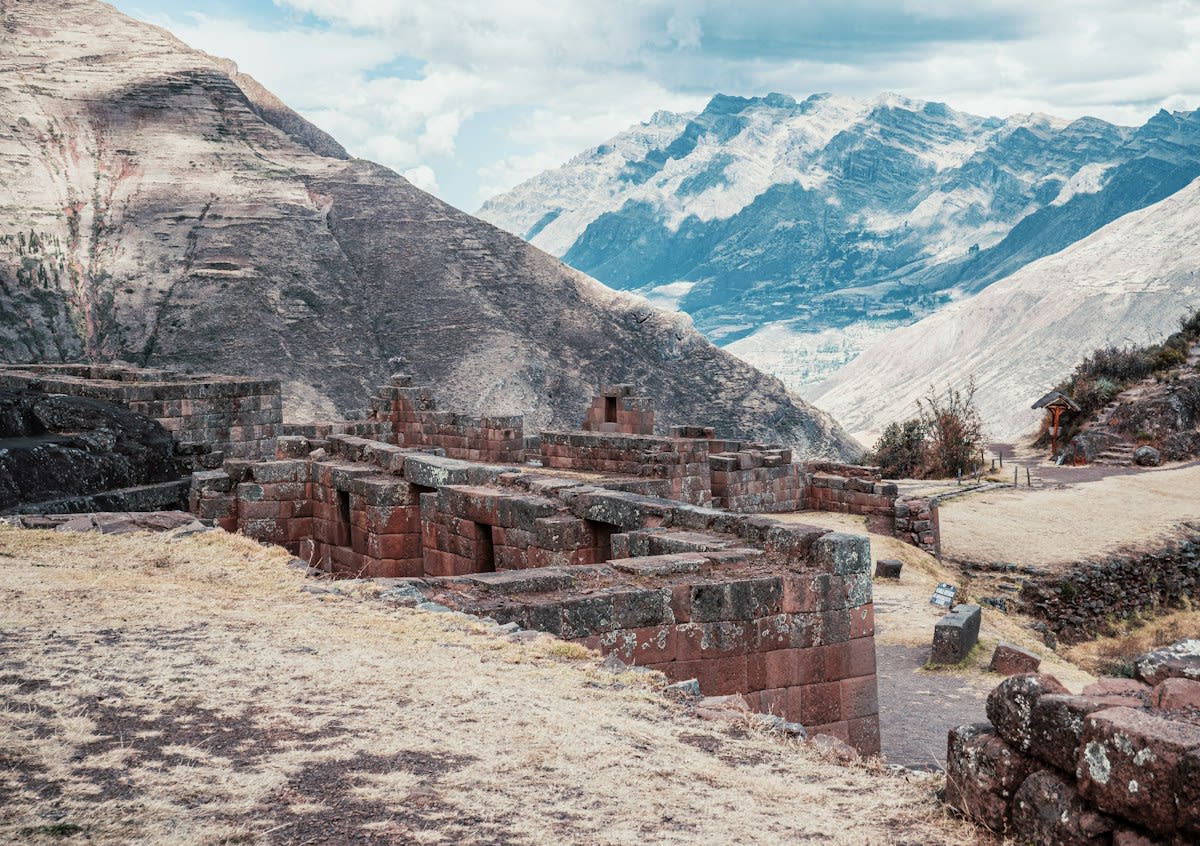
The clash is real. I once watched a civil engineer from Madrid scream at a community leader over a map of the Huarochirí province. The engineer demanded a concrete lining to stop seepage, whereas the leader knew that seepage was the entire point of the system. This fundamental disagreement over the definition of waste defines the current fray in water management.
"Amunas are not just ruins; they are active technology for the 21st century. By treating the mountain as a sponge rather than a pipe, we eliminate the risk of catastrophic dam failure."— Dr. Elena Vasquez, Lead Hydrologist at the Andean Water Institute
Numbers don't lie. Open-air reservoirs in the Andes can lose up to 15% of their volume to evaporation during the dry season (Source: Andean Water Study, 2019). Infiltration systems lose almost zero to the air. The mountain stores the weight. This efficiency makes the difference between a harvest and a famine.
| Metric | Modern Concrete Dam | Andean Amuna |
|---|---|---|
| Evaporation Loss | High (10-20%) | Negligible |
| Construction Cost | Extreme | Low (Labor-based) |
| Ecosystem Impact | High (Blocks Sediment) | Low (Mimics Natural Flow) |
| Lifespan | 50-100 Years (Siltation) | Indefinite (with Maintenance) |
Sediment is gold. Dams trap the nutrient-rich silt that should be flowing down to the agricultural plains. This creates a hunger in the soil. Amunas allow the mountain to breathe and the nutrients to migrate. The cycle remains unbroken.
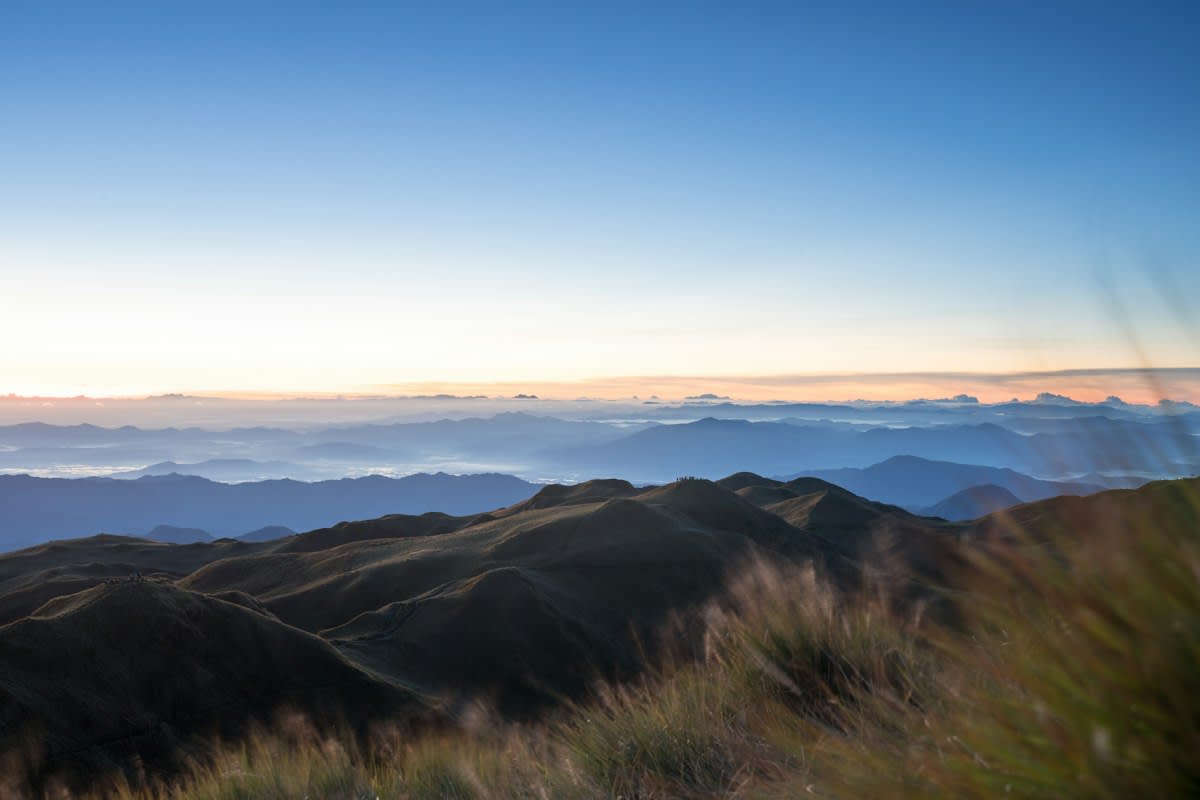
Efficiency varies wildly. Some restored systems have shown a 60% increase in dry-season spring flow in the Lima highlands (Source: Peru Hydrology Report, 2021). This is not a miracle. It is the result of using the geological default of the terrain to store water. Gravity is free.
Fact-Check & Accuracy Note
While Amunas outperform dams in evaporation and cost, they require significantly more communal labor for annual maintenance. There is an ongoing academic debate regarding the scalability of this method for mega-cities compared to centralized reservoirs.
Common Pitfalls
Over-saturation is dangerous. If you divert too much water into a single area of the slope, you risk triggering a landslide. The weight becomes unstable. Always distribute your channels across a wide area to avoid saturating the soil beyond its shear strength. Balance is mandatory.
Social disputes arise. When water begins to emerge in a new spring, the landowner who owns that plot often tries to claim total ownership. This creates a legal mess. Establish clear usage agreements before the first drop of water ever enters the channel. Contracts prevent conflict.
Ignore the silt. If you don't clear the channels every year, the system will clog with organic matter and sediment. The water will simply overflow. This maintenance is the price of staying power in a volatile environment. Work is the only way.