The Death of the Checklist
The traditional bucket list is a relic of a pre-algorithmic age, now transformed into a performative checklist for social validation. We have entered an era of peak saturation where the desire to see the Eiffel Tower or the canals of Venice is no longer about the destination itself, but about the confirmation that we have been there. This phenomenon has created a dangerous feedback loop. The Instagram Effect has concentrated roughly 80% of tourist traffic into a mere 20% of a city's available space, turning living urban centers into open-air museums that serve no one but the visitor. When you travel to a place simply because it is on a list, you are not exploring; you are auditing.
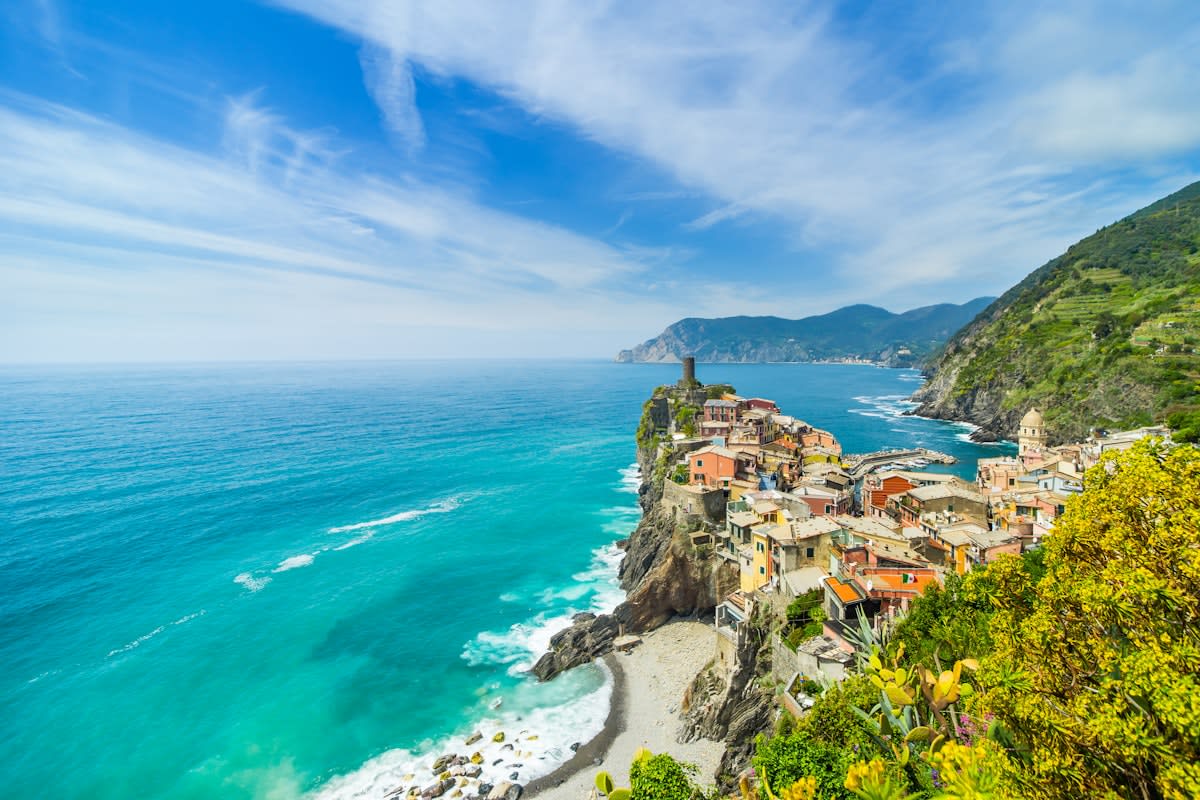
Enter the Duplicate Destination. This is not a cheap knock-off or a second-rate substitute. A duplicate is a location that shares the same core geographical, architectural, or cultural DNA as a famous hub but lacks the crushing weight of mass tourism. It is the difference between fighting a crowd for a photo of the Amalfi Coast and discovering a similarly rugged coastline in Albania or Montenegro where the lemons are just as bright and the water just as turquoise. By shifting your focus from the name of the place to the essence of the experience, you regain agency over your travel. You stop being a consumer of a brand and start being a student of the world.
Prerequisites for the Anti-Bucket List
Before you can successfully hunt for duplicates, you must strip away the psychological need for prestige. Most travelers fail this transition because they still want the prestige of the 'famous' spot while claiming to want the 'quiet' one. To execute this strategy, you need a specific set of tools and a willingness to embrace uncertainty. You are trading the guaranteed quality of a five-star tourist trap for the high-variance reward of an authentic encounter. This requires a level of intellectual curiosity that transcends the typical vacation mindset.
- Topographical Mapping Tools: Proficiency with Google Earth or OpenStreetMap to identify similar terrain.
- Archetypal Analysis: The ability to define a destination by its features (e.g., 'medieval walled city with river access') rather than its name.
- Local-First Information Sources: A commitment to ignoring 'Top 10' lists in favor of regional forums and niche travel blogs.
- Logistical Flexibility: Acceptance that duplicate destinations often require more complex transport than a direct flight to a hub.
- Cultural Humility: The understanding that you are a guest in a place that is not curated for your convenience.
Once these prerequisites are in place, you can begin the process of decompression. Visitor density in bucket-list hubs has spiked by an estimated 45% over the last decade, leading to a phenomenon known as crowd fatigue. Roughly 62% of travelers now report feeling overwhelmed by the sheer volume of people at major landmarks. By removing the prestige requirement, you open the door to destinations where the local economy actually benefits from your presence rather than being eroded by it.
The Framework: How to Find Your Duplicate
- Isolate the Core Appeal: Ask why you want to go to the famous spot. Is it the Gothic architecture? The alpine peaks? The street food culture? Strip the name away and keep the attributes.
- Identify the Geographical Archetype: Search for the 'type' of place. If you want the vibe of Kyoto, search for 'preserved samurai districts' or 'traditional wooden architecture' in less-traveled regions of Japan or East Asia.
- Analyze Saturation Data: Use heat maps or social media tag frequency to ensure your alternative hasn't already become a 'hidden gem' (which is just a bucket list item in waiting).
- Cross-Reference with Local Infrastructure: Ensure the duplicate has enough basic infrastructure to be accessible but not so much that it has been sanitized for mass tourism.
- Validate via 'The Local Test': Search for the destination in the local language. If the only results are in English, it is a tourist product. If the results are exclusively in the native tongue, you have found a true duplicate.
The most critical step in this process is the isolation of the core appeal. Most people say they want to visit Paris, but what they actually want is a walkable city with a rich cafe culture and world-class art. When you realize that these attributes exist in cities like Lyon or Bordeaux, or even in unexpected hubs in South America or Asia, the map opens up. You are no longer tethered to a single coordinate on the globe. You are searching for a feeling, a texture, and a rhythm.
The Paradox of Discovery
Avoid the 'Hidden Gem' trap. The moment a place is labeled a 'hidden gem' on a major travel site, it is no longer hidden. Use technical terms like 'under-visited' or 'regional center' to find locations that haven't been branded for the masses.
| The Bucket List Hub | The Core Appeal | The Duplicate Destination | The Value Proposition |
|---|---|---|---|
| Santorini, Greece | White-washed cliffs, caldera views | Milos, Greece | Similar geology, 40% fewer crowds |
| Kyoto, Japan | Zen gardens, traditional shrines | Kanazawa, Japan | Authentic Edo-period feel, local pace |
| Machu Picchu, Peru | Incan ruins, cloud forest | Choquequirao, Peru | Similar scale, requires trek, near-zero crowds |
| Amsterdam, Netherlands | Canal networks, cycling culture | Utrecht, Netherlands | Unique wharf-side canals, student energy |
Beyond the aesthetic similarities, duplicate destinations offer a profound economic advantage. Because these areas are not priced for the global elite or the cruise ship crowd, costs of living for travelers are often 15-20% lower. This allows for a slower pace of travel. Instead of a three-day blitz through a city to check off five monuments, you can spend a week integrating into the local rhythm. You move from being a spectator to a participant.

"The true luxury of modern travel is not the first-class seat or the five-star hotel; it is the ability to stand in a place of immense beauty and be the only person there."— Julian Thorne, Travel Anthropologist
Validation is where most amateur explorers fail. They rely on English-language blogs which are often just echoes of the same few influencers. To truly validate a duplicate, you must venture into the native language of the region. Use translation tools to search for regional festivals, local hiking forums, or municipal planning documents. If a town is praised by its neighbors for its beauty but is absent from the English-speaking web, you have found a goldmine. This is the only way to ensure you are not just moving from one tourist bubble to a slightly smaller, newer one.
Common Pitfalls
- The Infrastructure Gap: Assuming a duplicate has the same ease of transport as a hub. Always verify the last-mile logistics.
- The Language Barrier: Forgetting that duplicates rarely have English-speaking staff at every corner. Learn basic phrases.
- The Sustainability Blindspot: Accidentally contributing to the overtourism of a fragile site by sharing it too widely on social media.
- The Comparison Trap: Spending your time at the duplicate complaining that it is not exactly like the famous version.
The ultimate goal of the Anti-Bucket List is not to avoid the world's wonders, but to experience them without the filter of mass consumption. When you find a duplicate, you are not settling for less. You are choosing a more honest version of the world. You are trading the curated stage-set of the tourist hub for the living, breathing reality of a place that exists for its inhabitants first and visitors second. This is how you reclaim the act of travel as a tool for growth rather than a trophy for a digital gallery.