
The Integration Mindset: Moving Beyond the Bubble
Most digital nomads operate as high-spending ghosts. They arrive in a city, rent an apartment in the trendiest neighborhood, frequent the same three avocado-toast cafes, and socialize exclusively with other expats. This creates a parallel economy—a sterile bubble that exists physically within a city but is economically and socially detached from it. When thousands of professionals do this simultaneously, they don't integrate; they colonize. They drive up rents, push out legacy businesses, and turn vibrant neighborhoods into generic hubs of remote work. To be a conscious nomad, you must stop viewing your destination as a backdrop for your lifestyle and start viewing yourself as a temporary stakeholder in a complex, fragile ecosystem.
Prerequisites: What You Need Before You Book the Flight
Integration isn't something that happens by accident; it requires intentional preparation. You cannot integrate if your only goal is to find the fastest Wi-Fi and the cheapest cost of living. That approach is extractive, not additive. Before you land, you need to shift your objective from 'optimization' to 'contribution.' This means accepting that your life will be slightly less convenient and potentially more expensive if you choose to support the local fabric rather than the expat infrastructure.
- Cultural Humility: The recognition that your economic power does not grant you social authority.
- Basic Linguistic Competence: A commitment to learning the local language beyond 'thank you' and 'where is the bathroom'.
- Financial Buffer: Extra funds specifically allocated for supporting local businesses that may not be 'Instagrammable' or optimized for tourists.
- Long-term Horizon: A mindset shift from staying for 'three months' to intending to build a multi-year relationship with a place.
Once these prerequisites are in place, the focus shifts from the internal to the external. How do you actually move through a city without leaving a trail of displacement behind you?
The Five-Step Integration Framework
- Audit Your Economic Footprint: Map out where every dollar goes. If 80% of your spending goes to international chains or expat-owned businesses, you are fueling a bubble, not the local economy.
- Decouple Housing from Tourist Hubs: Avoid the 'nomad neighborhood.' Seek housing in residential areas where you are the minority, and negotiate leases that are fair but not inflationary.
- Shift from Consumption to Contribution: Instead of just buying services, find ways to share your professional skills with local entrepreneurs or non-profits without adopting a 'savior' complex.
- Build 'Slow Social' Networks: Skip the coworking mixer. Join a local sports club, a language exchange, or a community garden. Build relationships with people who don't work in tech.
- Navigate Legality Ethically: Pay your taxes. Whether through a digital nomad visa or local residency, avoid the 'gray zone' of working illegally while benefiting from local infrastructure.
The most critical step in this framework is the housing decision. Housing is the primary engine of gentrification. When remote workers flood a specific district, they create a demand spike that landlords exploit, leading to the displacement of long-term residents who cannot compete with foreign salaries.

To break the bubble, look for 'B-side' neighborhoods. These are areas with existing infrastructure but without the 'nomad' branding. When you rent here, you are distributing wealth into areas that aren't already overheating. However, be cautious: moving into a low-income area can still cause displacement if you insist on 'upgrading' the neighborhood to fit your tastes. The goal is to fit into the neighborhood, not to make the neighborhood fit you.
The Economic Ripple Effect
We often hear that nomads 'bring money into the local economy.' This is a half-truth. The question isn't if money is entering, but where it settles. In many hubs, foreign capital creates a 'leakage' effect where money flows from the nomad to an expat landlord, then to an expat-owned cafe, and eventually back to a foreign bank account. This is economic colonialism masquerading as tourism.
| Spending Category | The Bubble Approach (Extractive) | The Conscious Approach (Integrative) |
|---|---|---|
| Housing | Short-term AirBnB in trendy district | Long-term lease in residential area |
| Dining | Specialty cafes with English menus | Family-run eateries (fondos/warungs) |
| Workspace | High-end global coworking chains | Local libraries or small neighborhood cafes |
| Transport | Ride-share apps (Uber/Grab) | Public transit and local walking |
"The danger of the modern nomad is not their presence, but their invisibility. When a professional lives in a city for a year but never interacts with a non-English speaker, they have not moved to a new country; they have simply moved their office to a cheaper time zone."— Institutional Perspective on Urban Migration, UN-Habitat Framework Guidelines
From a practitioner's perspective, the friction usually happens at the intersection of convenience and ethics. I have seen this debate play out in cities like Mexico City and Lisbon, where the 'nomad community' argues that they are saving local businesses by providing a steady stream of high-paying customers. The counter-argument, and the one that holds more weight on the ground, is that these businesses often pivot their entire model to serve foreigners, alienating the locals who built the neighborhood's original charm. The real tension isn't about the money; it's about the loss of cultural agency.
Common Pitfalls of the Well-Intentioned Nomad
Many nomads believe they are helping simply because they are 'spending money.' This is the most dangerous assumption you can make. Economic contribution without social integration is just a transaction. The 'Savior Complex' often manifests as nomads trying to 'fix' local businesses by suggesting they 'modernize' their menus or marketing to attract more foreigners. This is a fast track to accelerating gentrification.
- The English-Only Trap: Assuming that because you are paying, the world should speak your language.
- The Price-Anchor Fallacy: Comparing local prices to your home country and overpaying 'out of kindness,' which actually signals to landlords that they can raise rents for everyone.
- The Networking Loop: Spending 90% of your time with other remote workers, which reinforces the bubble and limits your perspective.
- The Short-Term Mindset: Treating the city as a 'hack' for a lower cost of living rather than a place to live.
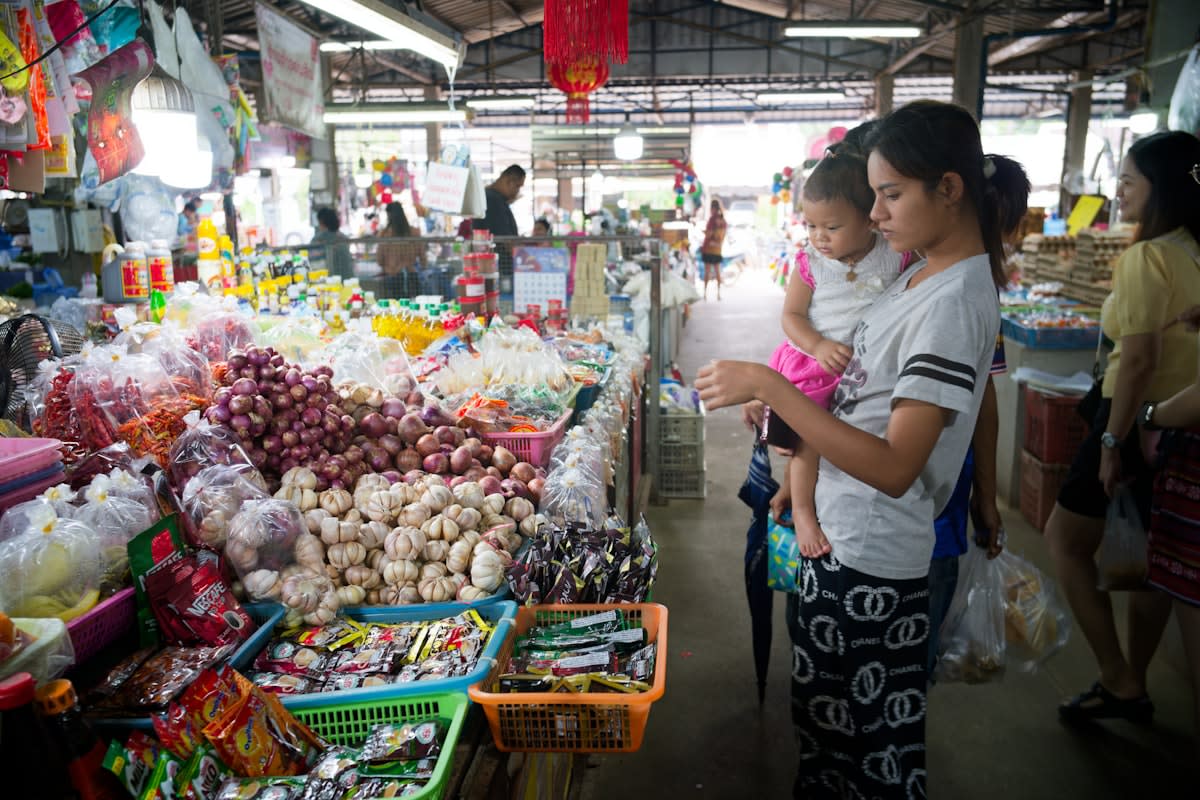
The bottom line is that integration is a discipline. It requires the courage to be the least important person in the room and the patience to learn the slow rhythms of a local economy. If you want to be a conscious nomad, stop looking for the best 'digital nomad city' and start looking for the community where your skills and presence can actually add value without erasing what was already there.
Fact-Check & Accuracy Note
Key claims regarding the 'leakage' of foreign capital and the impact of short-term rentals on urban displacement are based on broader urban planning theories frequently cited by UN-Habitat and World Tourism Organization (UNWTO) reports on sustainable tourism. Statistics regarding the growth of the remote workforce are aligned with trends reported by MBO Partners in their annual Digital Nomad reports (2023).
Editorial Note
This guide is written from a practitioner's perspective, prioritizing ethical integration over traditional 'travel hacking.' The strategies provided are designed to mitigate the negative externalities of remote work on local geographies.