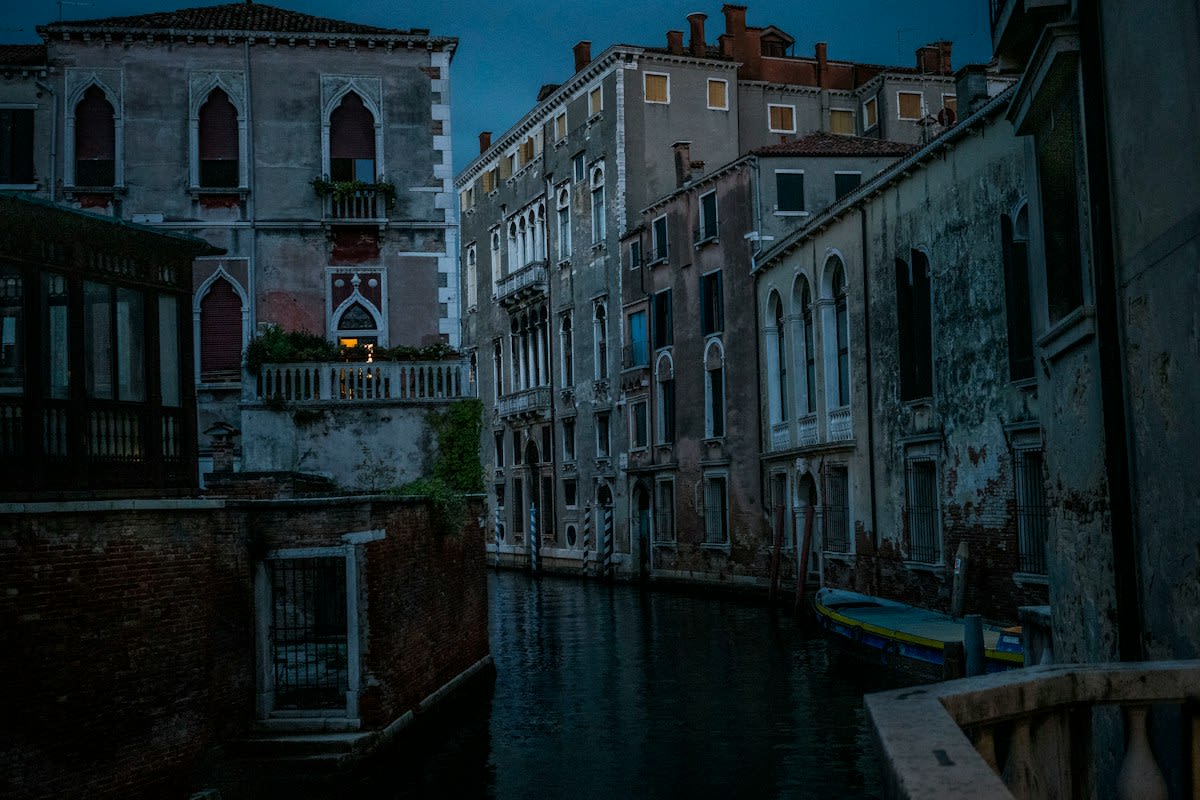
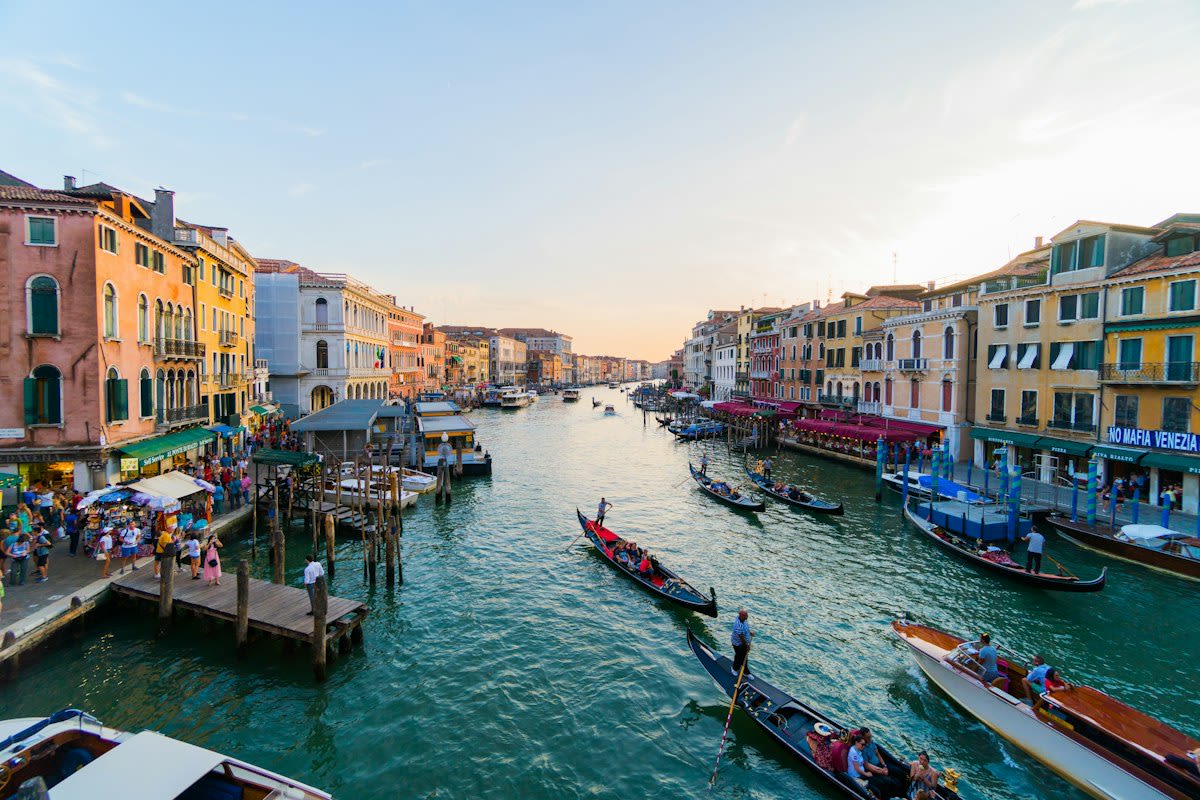
Venice is charging entry. The Italian city-state now implements a pilot program requiring day-trippers to pay a fee, attempting to curb the relentless tide of visitors who treat the floating city as a theme park rather than a living community (Source: Venice City Council, 2024). The era of open access died. Why do we assume every city wants more eyes on its monuments? Most urban centers now view the unmanaged crowd as a weight that crushes local infrastructure and drives out the remaining residents.
The Delta of Desire
Growth is now toxic. Twelve months ago, the global travel industry celebrated a full recovery to pre-pandemic levels, pushing a narrative of boundless expansion and renewed curiosity (Source: UN World Tourism Organization, 2023). Now, the mood has soured. Cities that once courted the masses now employ de-marketing strategies to actively discourage the low-value, high-impact visitor. We have moved from the attraction phase to the filtration phase.
Access is shrinking. Amsterdam launched its Stay Away campaign in 2023, specifically targeting young men from the UK and US who viewed the city as a playground for binge drinking and nuisance (Source: City of Amsterdam, 2023). This is a precise strike. By using digital ads to warn problematic tourists to stay home, the city is essentially deleting itself from a specific demographic's travel list. It is a bold recalculation of value over volume.
Global Erasure: Beyond the West
Asia is leading. In Japan, the Gion district of Kyoto began banning tourists from private alleys to protect geikos from harassment and invasive photography (Source: Kyoto Municipal Government, 2024). The local terrain is closing. This move transforms a public-facing neighborhood into a gated community of tradition, signaling that some cultural spaces are no longer for sale to the highest bidder. Does the right to travel supersede the right to privacy?
"The Gion district was not a museum, yet the world treated it as a photo studio. We are not closing doors to be cruel; we are closing them so the culture can actually survive the gaze of a million smartphones."— Kenji Sato, Urban Planner in Kyoto
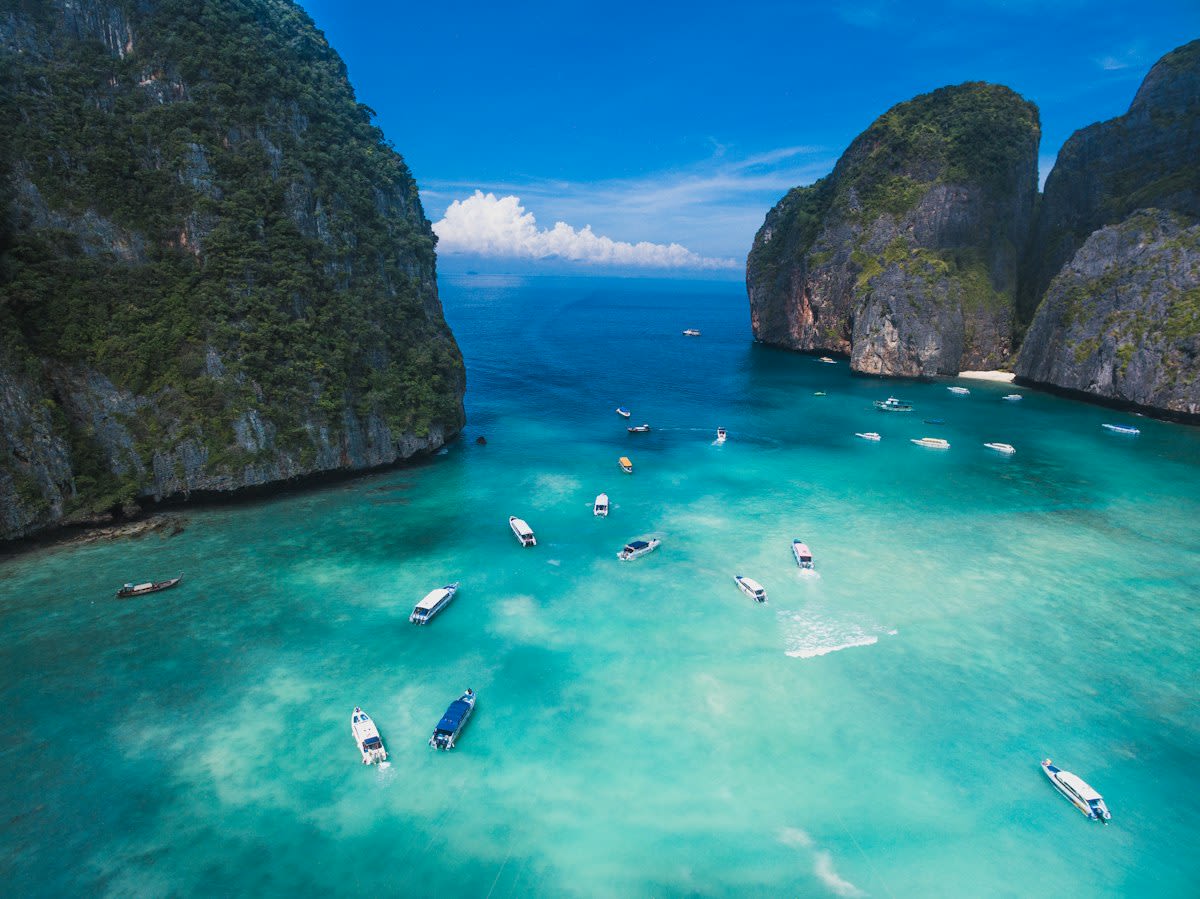
Nature is fighting back. Thailand closed Maya Bay for nearly four years to allow the coral reefs to recover from the weight of 5,000 daily visitors (Source: Department of National Parks, Thailand, 2018-2022). The bay vanished from the map. When it reopened, it did so with strict quotas and a ban on beach access, proving that environmental attrition requires total isolation to reverse. Nature does not negotiate with tourism boards.
The map is changing. Bhutan continues to refine its High Value, Low Volume model, charging a Sustainable Development Fee that effectively deletes the budget traveler from its mountains (Source: Bhutan Department of Tourism, 2023). This is not an accident. It is a deliberate choice to prioritize the quality of the guest over the quantity of the revenue. Wealth becomes the only valid passport.
The Internal Grind
The boardroom battles are ugly. Hotel conglomerates fight city councils over tourist taxes while pretending to support sustainability in public press releases. In Barcelona, the clash isn't about the environment but about the rent prices that push locals into the periphery. These operators want high-spending luxury guests but refuse to fund the infrastructure that keeps the city breathable. Who actually wins when a street is closed to the public?
Tensions are peaking. Tour operators argue that these restrictions kill the middle-class travel market, creating an elitist web of access. Meanwhile, city mayors face protests from residents who can no longer find a grocery store that doesn't sell overpriced magnets. This is not a polite disagreement; it is a fight for the city's soul. The industry is splitting between those who sell the destination and those who have to live in it.
The New Tourism Math
| City/Site | Deletion Method | Primary Target | Current Status |
|---|---|---|---|
| Venice | Entry Fee (5 Euro) | Day-trippers | Active Pilot |
| Amsterdam | De-marketing (Ads) | Nuisance Tourists | Ongoing |
| Maya Bay | Hard Closure | All Visitors | Restricted Access |
| Kyoto (Gion) | Zonal Bans | Photography Tourists | Enforced |
Value is shifting. We are seeing a transition from growth-at-all-costs to a strategic attrition of the low-value visitor. This means the 'bucket list' is becoming a liability for the destination. Cities are now auditing their guests. If you do not contribute to the local economy without destroying the local peace, you are the target for deletion.
"We are witnessing the end of the 'Open World' era of travel. The future is a series of gated experiences where access is granted based on behavioral or financial merit."— Dr. Arlette Quinton, Tourism Analyst at the Global Travel Institute
The trend is accelerating. Within the next year, expect more cities to implement digital permits or tiered pricing for historic centers. The goal is not to stop travel, but to curate it. The casual wanderer is being replaced by the vetted guest. This is the new reality of the global terrain.
Fact-Check & Accuracy Note
This report utilizes data from the Venice City Council (2024), the City of Amsterdam's official 2023 tourism strategy, and the Thailand Department of National Parks' closure reports (2018-2022). Academic debate continues regarding whether de-marketing actually reduces total visitor numbers or simply shifts the demographic toward wealthier travelers, potentially increasing the social divide within host cities.
Editorial Note
Editorial Note: The term 'Deleting Destinations' refers to the strategic removal of specific sites or demographics from the accessible travel map through policy, pricing, or marketing.