PA relatives' 12-year will fight ends with court upholding $598,686 legal fees
Source Entity
TOI WORLD DESK
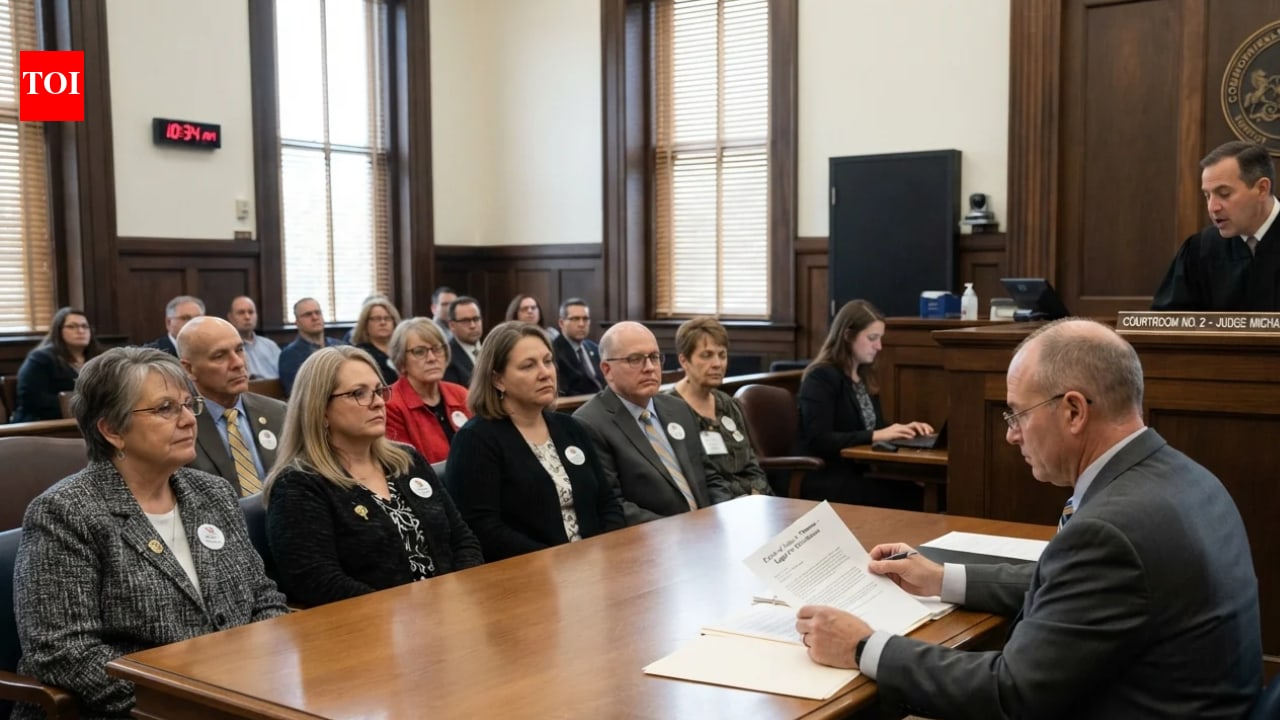
A long-standing Pennsylvania inheritance battle has concluded with an appeals court upholding $598,686 in legal fees for the attorney who successfully contested a fraudulent will. The case, which began in 2014, restored the estate to the decedent's rightful nieces and nephews.
The Conclusion of the John J. Thomas Estate Dispute
After a grueling 12-year legal battle, the inheritance case involving the estate of John J. Thomas has reached a final judicial resolution. The Pennsylvania Superior Court has affirmed a payment of $598,686.34 to attorney Richard P. Joseph, marking the end of a complex litigation process that began following the decedent's death in 2014. The case centered on the validity of a will that had initially bypassed the decedent’s natural heirs in favor of a distant second cousin.
The Battle for Testamentary Integrity
The core of the dispute involved allegations that the will naming the second cousin as the sole beneficiary was a forgery. Eight nieces and nephews of John J. Thomas challenged this document, engaging attorney Richard P. Joseph to represent their interests. The successful invalidation of this will was a significant victory for the family, as it corrected what the court ultimately determined to be an illegitimate transfer of assets. This case serves as a stark reminder of the importance of testamentary integrity and the legal mechanisms available to protect the rights of rightful heirs against fraudulent claims.
Complexity of Fee Determinations
Following the successful challenge to the will, the case shifted from a battle over inheritance to a contentious dispute regarding legal fees. Richard P. Joseph had originally sought 40% of the estate under a contingency fee agreement. The ensuing litigation over these fees involved multiple hearings and an appeals court review, which had previously sent the dispute back for further consideration due to procedural questions, including the lawyer’s absence during certain proceedings. The final sanctioning of nearly $600,000 underscores the high cost of prolonged estate litigation.
Broader Implications for Estate Law
This case highlights the immense financial and temporal burden of contested wills. When an estate is subject to claims of forgery or undue influence, the legal costs can quickly escalate, potentially depleting the assets meant for the intended beneficiaries. The Pennsylvania Superior Court's decision to uphold the fee award provides clarity on the enforceability of fee agreements in complex probate matters, even when those fees represent a substantial portion of the estate’s value.
Historical Context and Future Precedent
The 12-year duration of the John J. Thomas case illustrates the systemic delays often found in probate courts, especially when litigation involves allegations of fraud. By affirming the fee structure and the invalidation of the will, the court has reinforced the principle that legal advocates who successfully defend the rights of heirs against fraudulent documents are entitled to compensation for their work. This outcome will likely be cited in future Pennsylvania probate disputes where fee reasonableness and the protection of natural heirs are at the forefront of the litigation.