Army detonates tons of lead azide as local residents brace for toxic plume
Source Entity
Beth Mole
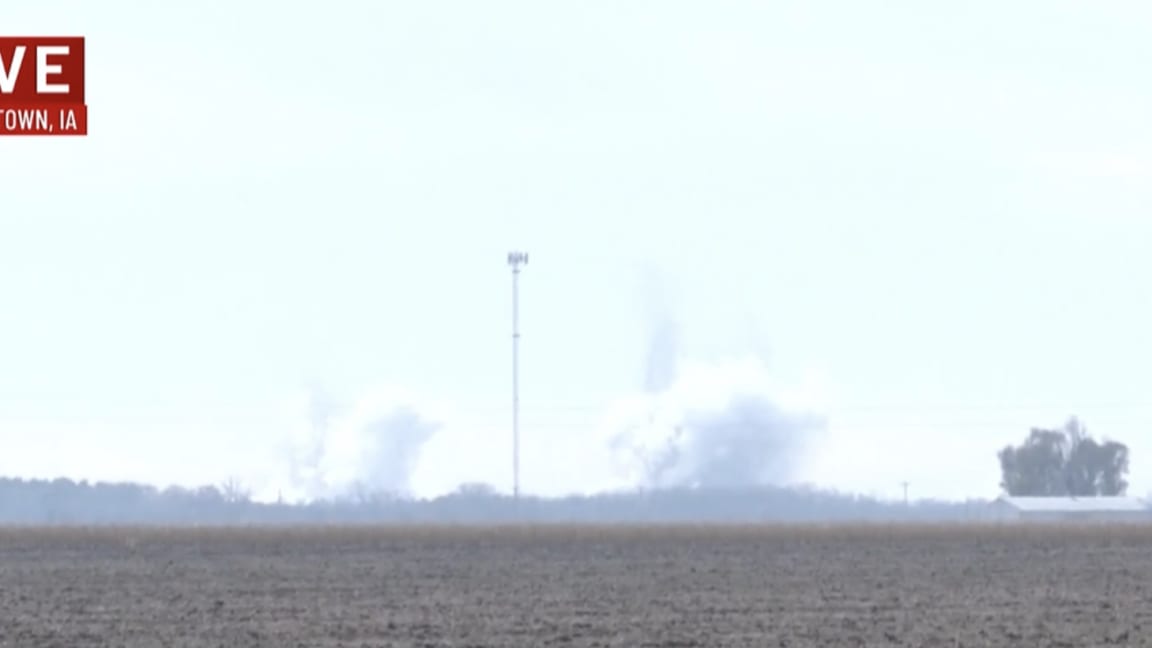
The US Army is set to conduct a controlled detonation of nearly 10,000 pounds of unstable lead azide at the Iowa Army Ammunition Plant. Health officials have issued urgent advisories, citing concerns over potential lead dust exposure and environmental air quality.
The Impending Detonation of Lead Azide in Iowa
The United States Army is preparing to execute a significant and high-stakes operation at the Iowa Army Ammunition Plant in Middletown, Iowa. The objective is the controlled destruction of approximately 9,700 pounds of lead azide, a highly unstable chemical compound historically utilized as a primary explosive in munitions such as grenades. This massive stockpile, contained within 68 separate drums, represents a legacy of military ordnance that has become increasingly hazardous to store and transport over time.
Historical Context and Operational Necessity
Lead azide has been a staple in military explosives for nearly a century. However, the Department of Defense began transitioning away from this compound roughly 15 years ago due to its inherent volatility and the logistical nightmares associated with its long-term stability. Army Maj. Gen. Eric Shirley, who is overseeing the operation, has emphasized that the current state of the material renders "inaction" an irresponsible choice. The decision to proceed with a controlled detonation is framed as a consensus-based necessity to mitigate the risk of an unplanned, catastrophic failure of the aging stockpile.
Public Health and Environmental Concerns
The primary concern surrounding the detonation is the potential release of lead particles into the atmosphere. Lead is a potent neurotoxin, and the Illinois Department of Public Health (IDPH) has issued a stark warning to residents in the vicinity, noting that there is "no known safe level of lead exposure." The fear is that the force of the explosion could aerosolize lead dust, carrying it beyond the confines of the ammunition plant and into neighboring communities, posing significant inhalation and environmental risks.
The Role of the CDC and Emergency Response
In anticipation of the blast, the U.S. Centers for Disease Control and Prevention (CDC) has activated an emergency response team in Iowa. This specialized unit, comprised of toxicologists, public communication experts, and emergency response coordinators, is working in tandem with the Iowa Department of Health and Human Services. Their mandate is to prepare health recommendations and establish protocols to monitor and assess potential health impacts on the local population immediately following the detonation.
Safety Guidelines for Local Residents
As the scheduled time of 9:00 AM CST on Wednesday approaches, health officials have urged residents near the facility to remain indoors. By minimizing outdoor activity, officials hope to reduce the likelihood of accidental exposure to any particulate matter generated by the detonation. This proactive stance reflects a broader shift toward transparent public health communication during military operations that carry environmental risks, ensuring that citizens are informed and protected.
Future Trends in Ordnance Disposal
The situation in Middletown underscores a growing challenge for military forces worldwide: the remediation of legacy munitions. As chemical compounds evolve and safety standards tighten, the military faces the dual pressure of disposing of dangerous materials while maintaining public trust. This incident will likely serve as a case study for future disposal operations, highlighting the need for rigorous inter-agency cooperation between military command and civilian public health authorities to manage the risks inherent in modernizing defense stockpiles.
Multiple Citing Sources