‘My life is in the stock market’: Recent volatility is shaking up holiday spending plans for these shoppers
Source Entity
Venessa Wong
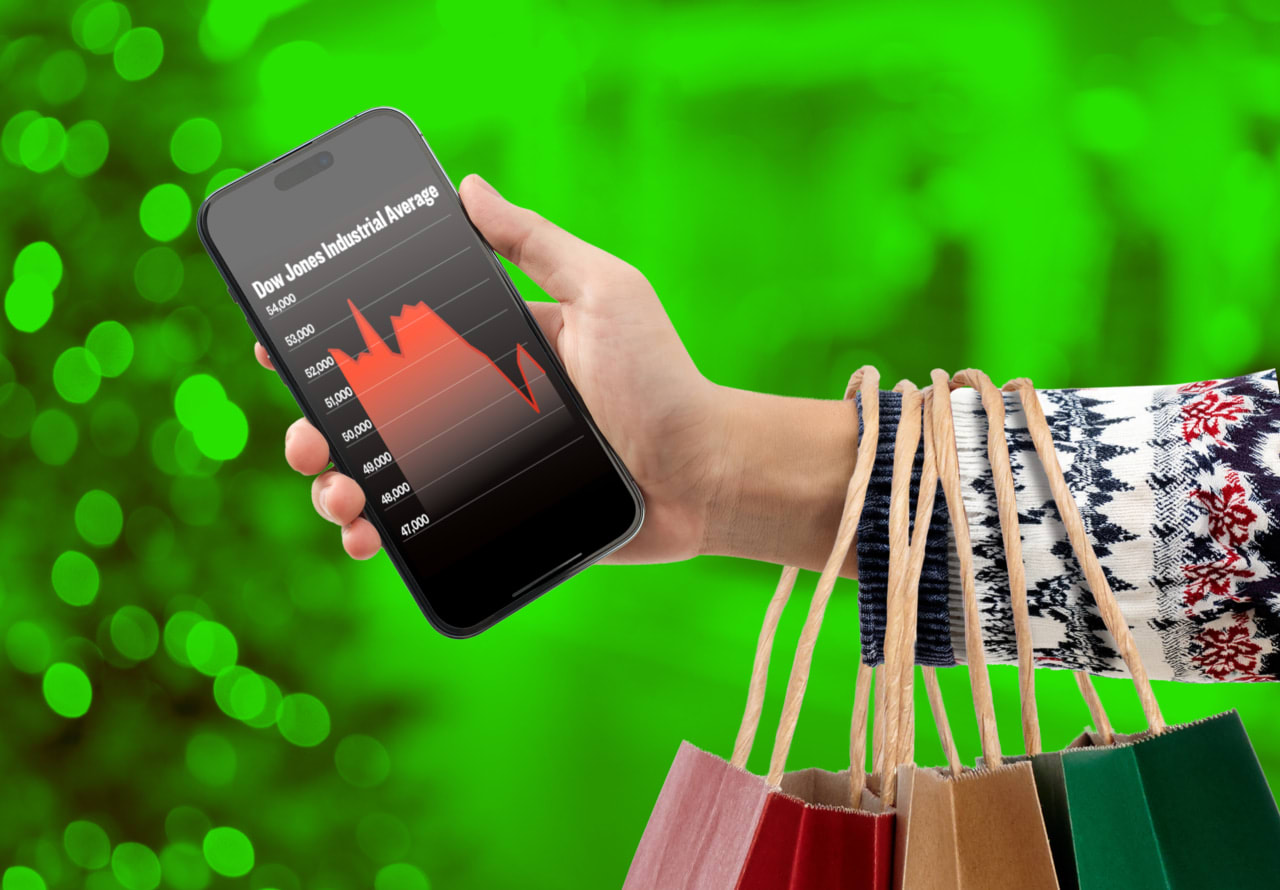
The Federal Reserve is widely expected to raise interest rates in December following data showing inflation at 3.8% in October. This move aims to curb persistent price pressures, though it will likely increase borrowing costs for consumers during the peak holiday shopping season.
The Fed's Impending Rate Hike: A December Policy Shift
Recent economic data has solidified expectations that the Federal Reserve will raise interest rates during its December 8-9 meeting. With the personal consumption expenditures (PCE) price index reaching a 3.8% annual rate in October, the central bank faces mounting pressure to tighten monetary policy. Fed officials, including New York Fed President John Williams, have signaled that further action is necessary to bring inflation back toward their target, effectively ending the year with a focus on cooling the economy.
Inflationary Pressures and the PCE Gauge
The PCE price index serves as the Federal Reserve’s preferred measure of inflation. The latest report, which showed an annual rate of 3.8%, matched Dow Jones consensus estimates but highlighted a troubling trend: inflation is moving further away from the Fed's target. Even when stripping out volatile food and energy costs, core PCE inflation reached 3.3%, surpassing forecasts by 0.1 percentage points. This persistent core inflation is a primary driver behind the central bank's decision to pursue further rate hikes.
Strong Economic Growth Complicating the Outlook
Compounding the inflation narrative is the report of robust economic growth. Revised data from the Commerce Department indicates that the Gross Domestic Product (GDP) rose at a 4.3% annualized rate in the third quarter. While strong growth is typically a sign of a healthy economy, in the current inflationary environment, it suggests that demand remains high enough to sustain price increases, giving the Fed more room—and more reason—to continue raising borrowing costs without triggering an immediate recession.
Impact on Holiday Spending
As consumers head into the peak holiday shopping season, the timing of this potential rate hike is critical. With borrowing costs expected to rise, consumers relying on credit cards or personal loans to fund their holiday purchases may face higher interest expenses. This comes at a time when many households are already feeling the strain of the current inflationary environment, potentially leading to a more cautious approach to discretionary spending at retail hubs like the Serramonte Mall.
Market Expectations and Future Uncertainty
Investor sentiment remains overwhelmingly aligned with the Fed's hawkish stance. CME Group's FedWatch tool currently indicates a 97% probability of an interest rate hike in December, with most analysts anticipating a quarter-percentage-point increase. However, the discussion is already shifting toward 2027. The persistence of inflation raises significant questions about the terminal rate—the peak level at which the Fed will stop increasing costs—and how long the central bank will have to maintain these restrictive levels to achieve long-term price stability.
Conclusion
The convergence of accelerated inflation and strong GDP growth has left the Federal Reserve with little choice but to maintain its path of monetary tightening. While the immediate focus is on the December meeting and its impact on consumer borrowing during the holidays, the broader trend suggests a prolonged battle against inflation. Policymakers must now carefully balance the need for price stability with the risk of stifling the economic momentum observed in the third quarter.
Verification Required?