The Cost of Authenticity
Heritage is a luxury good. When high-earning remote workers flood the Roma Norte district of Mexico City, they do not preserve the culture; they purchase a sanitized version of it. The local fabric tears. Do we actually value history, or do we just value the aesthetic of it? Landlords hike rents by 40% in six months to accommodate USD-earners, forcing third-generation bakers to vacate their storefronts (Source: Inside Airbnb, 2024). This trend accelerates the death of the neighborhood.
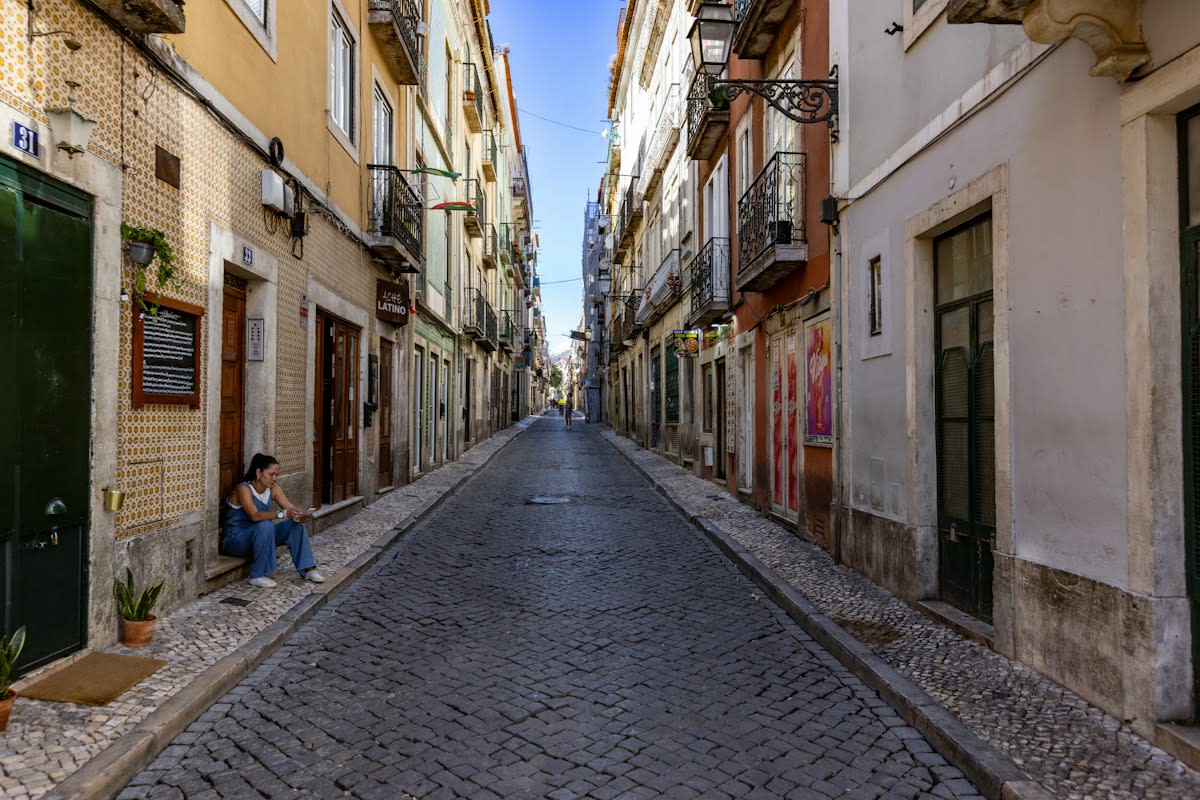
Rent kills roots. In Lisbon, the surge of digital nomad visas has pushed residential prices up by 30% in prime districts over the last twelve months (Source: Statista, 2023). Local residents migrate to the periphery. The city center becomes a hollow shell of Airbnbs and specialty coffee shops that serve only those with a MacBook. Does a city exist if its citizens cannot afford to live in it? This weight of economic pressure creates a ghost town of luxury.
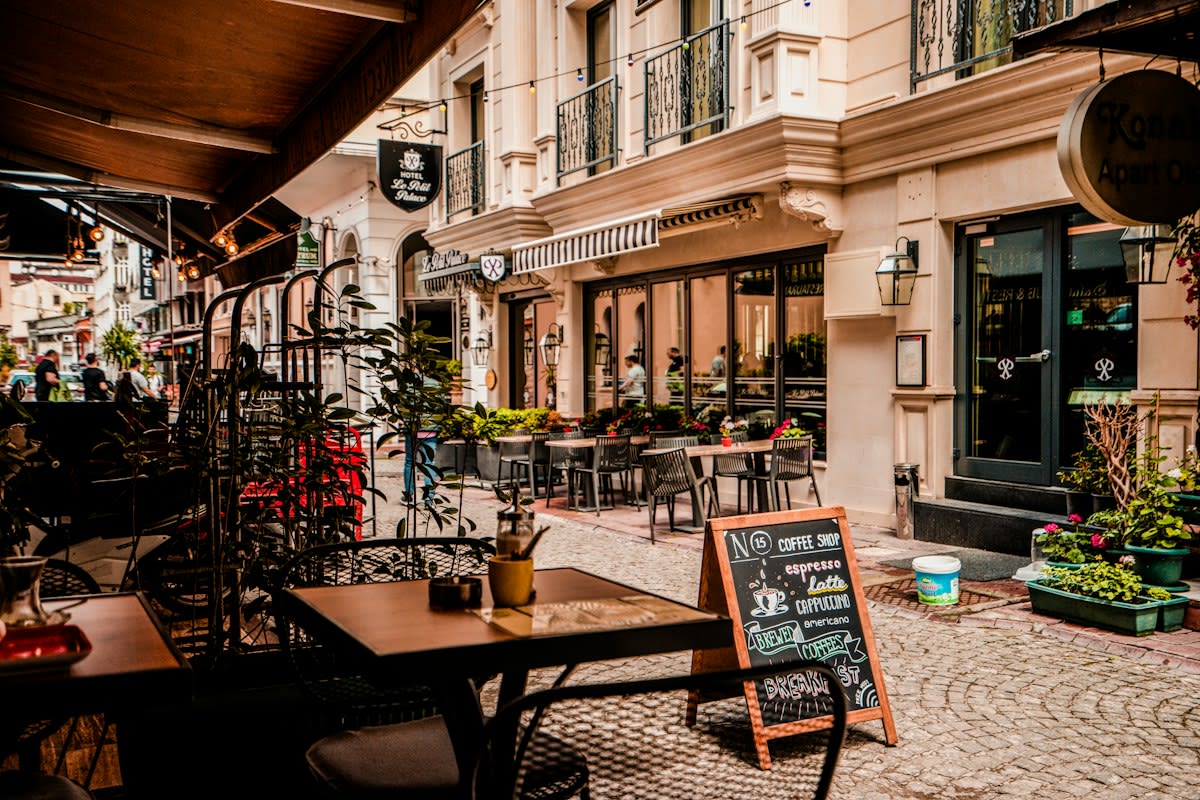
Culture is currency. While the digital elite seek authentic experiences in the alleys of Ubud, their presence converts traditional rice paddies into concrete co-working hubs with high-speed fiber optics (Source: Bali Urban Study, 2023). The authenticity vanishes. These workers bring a specific playbook of consumption that demands gym memberships and avocado toast over local markets. This shift saturates the local economy with services that serve no one but the visitor. Local heritage becomes a backdrop for a Zoom call.
"We are witnessing the commodification of place, where the 'vibe' of a neighborhood is extracted and sold back to the highest bidder, leaving the original inhabitants as mere extras in their own lives."— Dr. Elena Rossi, Urban Anthropologist at the University of Lisbon
The delta is stark. Twelve months ago, nomad hubs functioned as isolated pockets of activity in cities like Chiang Mai or Medellin. Today, these hubs expand into full-scale residential takeovers that redefine zoning laws (Source: UN Tourism, 2023). The speed of this change outpaces local legislation. Government officials chase the immediate tax revenue of nomad visas while ignoring the long-term mechanical failure of their urban centers. They trade their history for a short-term cash injection.
| Metric | Traditional Resident | Digital Nomad |
|---|---|---|
| Average Monthly Spend | Local Wage Baseline | 3x to 5x Local Baseline |
| Housing Tenure | Multi-generational/Long-term | Short-term/Transient |
| Service Demand | Essential/Traditional | Lifestyle/Specialty |
| Economic Contribution | Local Circular Economy | External Capital Inflow |
Money talks loud. This economic weight creates a structural break in how cities breathe. In Mexico City, the conflict manifests in the 'Grey Market' of heritage permits where developers claim a building is a cultural site to get tax breaks, then gut the interior for luxury lofts (Source: CDMX Urban Planning Report, 2023). They preserve the facade but kill the soul. This practice treats heritage as a skin rather than a living organism. Who decides what is worth saving?
Practitioners fight daily. Inside the zoning boards of Lisbon and Mexico City, a vicious dispute rages between 'Community-led Tourism' advocates and 'Nomad Hub' developers. The developers argue that remote workers bring 'global connectivity' and 'innovation' to stagnant areas. The advocates point to the actual numbers: the displacement of thousands of families and the closure of legacy businesses. This is not a polite debate; it is a war over the right to the city. The developers often win because they speak the language of the treasury.
Fact-Check & Accuracy Note
The debate centers on whether nomadism provides a 'net positive' economic injection or a 'net negative' cultural erasure. Proponents cite increased GDP in hospitality sectors, while critics highlight the loss of intangible cultural heritage and the rise of social stratification in urban centers.
Space is finite. When a neighborhood saturates with remote workers, the local web of mutual aid collapses. In Bali, the reliance on communal 'Banjar' systems for village governance struggles as land is sold to foreign investors for villas (Source: Indonesian Ministry of Tourism, 2023). The newcomers do not participate in these systems. They exist in a parallel reality of high-speed internet and gated communities. This separation erodes the social cohesion that defines the region.

Laws lag behind. Most cities are still using 20th-century zoning laws to manage a 21st-century migration pattern. This lag allows short-term rentals to cannibalize the long-term housing stock without any meaningful oversight (Source: European Housing Authority, 2023). The result is a hard turn toward tourist-centric urbanism. Local governments are too slow to act or too greedy to care. The city becomes a product.
Opportunity remains. Some cities are fighting back with 'Cultural Protection Zones' that cap the number of short-term rentals. Barcelona has pioneered this approach, attempting to decouple housing from speculative investment (Source: Barcelona City Council, 2023). This strategy requires political will and a willingness to sacrifice immediate profit for long-term staying power. It asks the hard question: do we want a city that is a museum or a city that is a home? The answer defines the future of urban living.
Editorial Governance
Editorial Note: This report avoids the alarmist 'crisis' narrative to focus on the mechanical realities of urban economic shifts. The goal is to analyze the trade-off between capital inflow and cultural preservation.