Kushner says Russia 'comfortable' with idea of NATO-like security guarantees for Ukraine
Source Entity
US Top News and Analysis
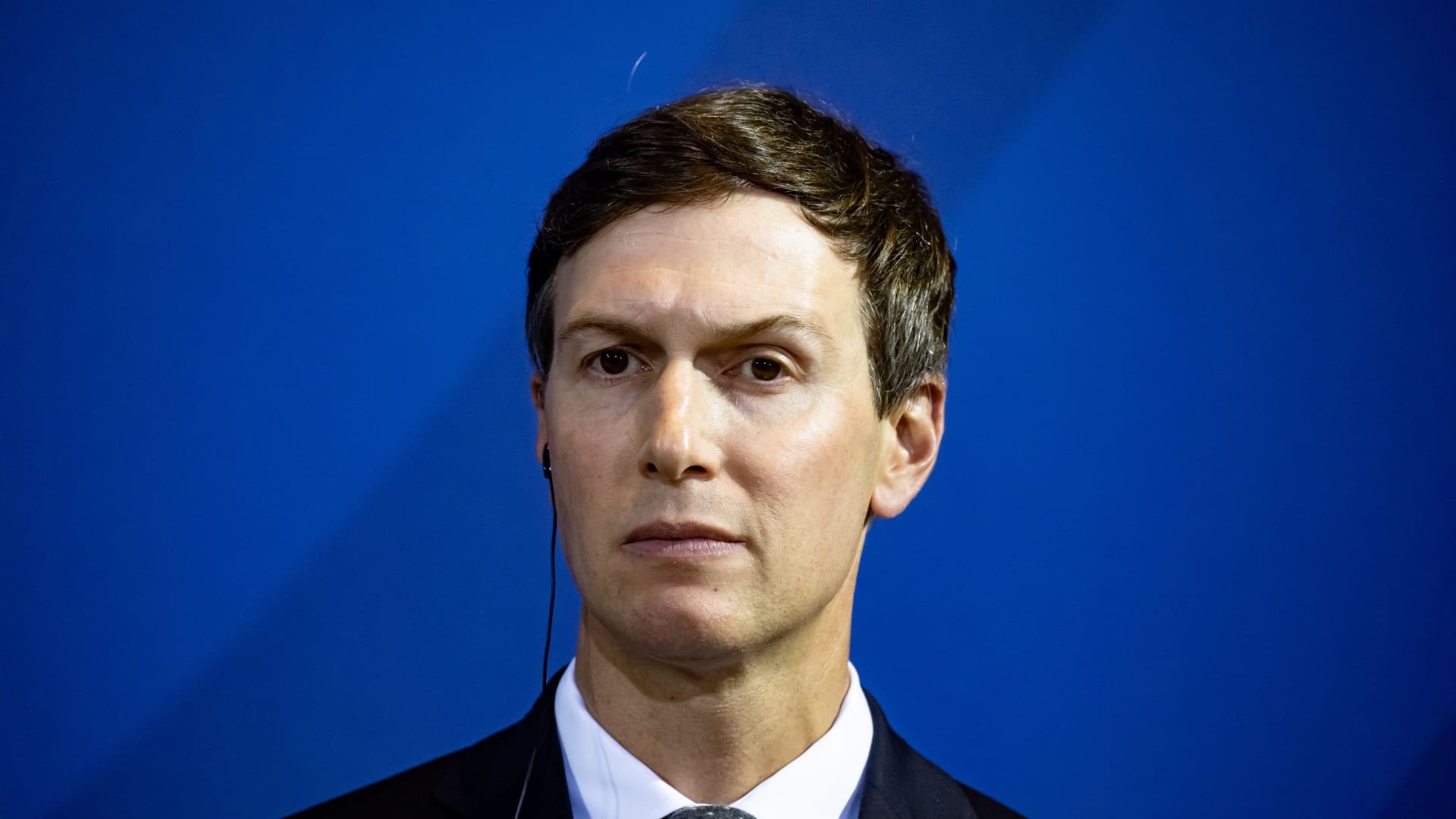
Jared Kushner has suggested that Russia may be open to NATO-like security guarantees for Ukraine as part of a Trump-led diplomatic effort. This follows high-level trilateral discussions between the U.S., Russia, and China aimed at ending the ongoing conflict.
The Evolving Diplomatic Landscape: Security Guarantees for Ukraine
Recent statements from U.S. Special Envoy Jared Kushner suggest a potential shift in the diplomatic architecture surrounding the Russia-Ukraine conflict. Speaking following the Coalition of the Willing summit in Berlin, Kushner indicated that the Russian leadership may be increasingly 'comfortable' with the concept of NATO-like security guarantees for Ukraine. This development, if realized, would represent a significant pivot in the geopolitical calculus that has defined the region since the onset of the full-scale invasion.
The Role of Trilateral Diplomacy
The context for these discussions is deeply rooted in recent high-level international engagement. The diplomatic climate shifted noticeably following historic trilateral talks held between President Donald Trump, Russian President Vladimir Putin, and Chinese President Xi Jinping on the sidelines of the Asia-Pacific Economic Cooperation forum. While the immediate aftermath of that summit did not yield public concessions, it served as a critical platform for the current administration to test the boundaries of Russian flexibility regarding the future status of Ukraine.
Trump’s Strategic Vision for Europe
Central to this initiative is President Trump’s stated desire to conclude the conflict with European allies working in tandem with the United States. Kushner's involvement as a Special Envoy highlights a concerted effort to align these security guarantees with the broader interests of the European continent. The strategy appears to favor a multilateral approach that seeks to stabilize Eastern Europe without necessarily triggering the traditional escalations associated with NATO expansion, shifting the focus toward specific, actionable security assurances.
The Ambiguity of Implementation
Despite the optimism expressed by the U.S. delegation, the practical implementation of such guarantees remains shrouded in uncertainty. Kushner noted that while President Trump is open to the framework, the precise form these guarantees would take remains unresolved. Furthermore, the fundamental challenge lies in achieving a consensus between Kyiv and Moscow, both of which maintain deeply entrenched positions regarding their respective national sovereignty and security requirements.
Future Implications and Geopolitical Stability
The move toward security guarantees signifies a potential departure from the binary 'NATO vs. Neutrality' debate that has dominated discourse for years. By exploring a hybrid model, the current administration is attempting to construct a framework that addresses Russian security concerns while simultaneously ensuring the long-term territorial integrity of Ukraine. Whether this approach can bridge the divide between the two warring nations, or if it will be viewed as a temporary compromise, remains the most significant question for European security in the coming months.
Conclusion: A Path Forward?
In conclusion, the statements made in Berlin mark a noteworthy moment in the search for a resolution to the conflict. By positioning Russia as potentially receptive to novel security arrangements, the U.S. is attempting to leverage the momentum generated by recent trilateral summits. The success of this initiative will depend not only on the diplomatic maneuvering of the U.S. and its European partners but also on the willingness of all involved parties to move beyond the rigid paradigms of the past in favor of a new, albeit fragile, regional security order.