7-week-old elephant calf Raja, born with fractured leg, air-lifted to Vantara for treatment
Source Entity
Latest News: Todays Latest News Headlines from India & World | Hindustan Times
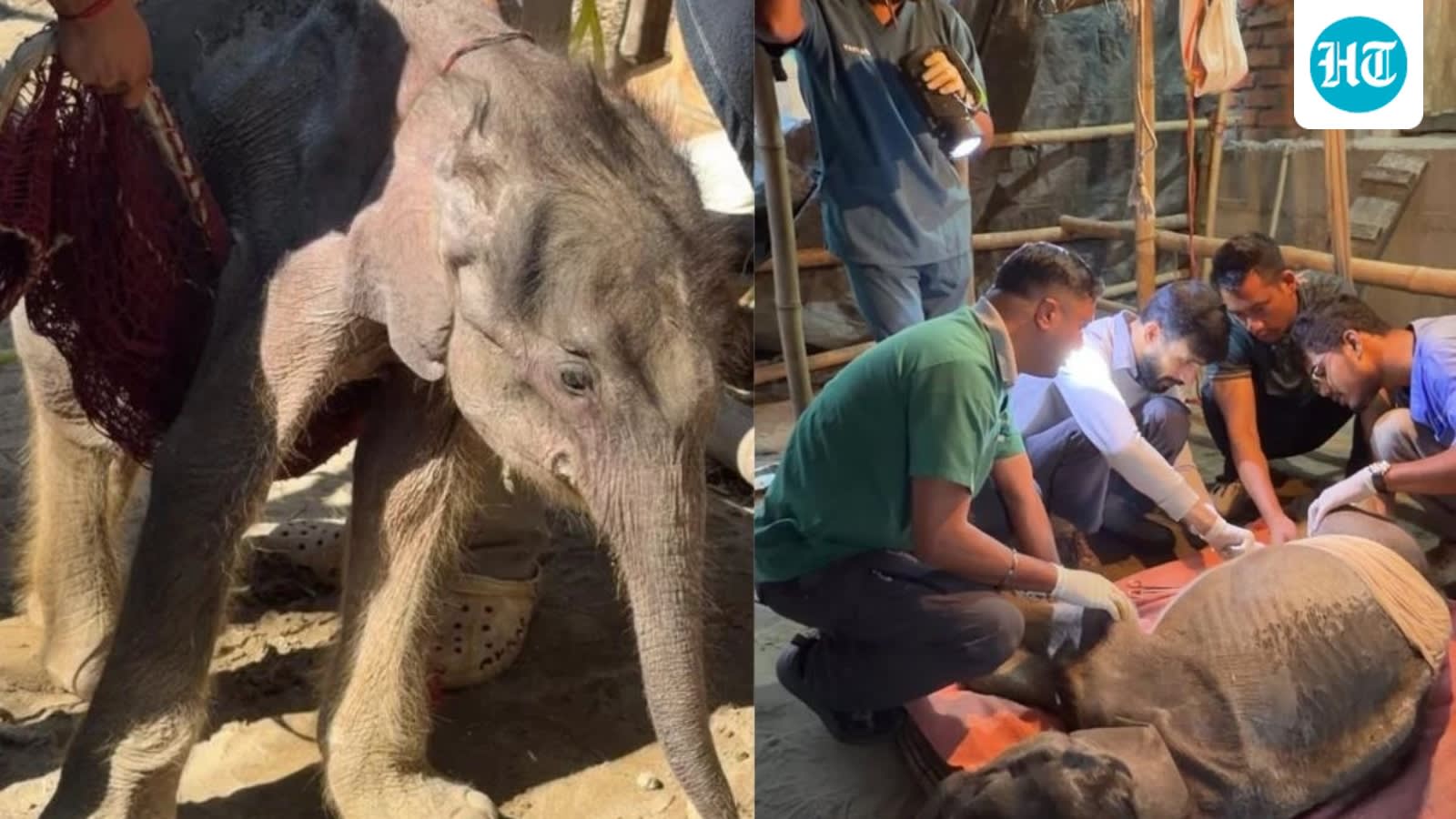
A seven-week-old elephant calf named Raja is being airlifted from Assam to Vantara in Gujarat for emergency treatment of a fractured hind leg. Facilitated by Anant Ambani, this mission marks the third such medical airlift for wildlife in India to ensure the calf's survival.
Emergency Medical Airlift for Raja the Elephant Calf
In a significant development for wildlife conservation in India, a seven-week-old elephant calf named Raja is being transported via air from Assam to the Vantara facility in Jamnagar, Gujarat. Born on October 2 in Gogamukh, Assam, Raja suffered a fracture to his right hind leg shortly after birth. For the past seven weeks, the calf has remained at his owner’s residence in Pohumara, Lakhimpur district, where he has been under the care of a Vantara medical team since October 8.
The Necessity of Air Travel
The decision to airlift the calf, rather than transport him by road, is rooted in medical necessity. A road journey spanning over 2,500 kilometers would have posed an extreme risk to the calf’s fragile health, given his fractured thigh bone and multiple associated complications. By opting for a four-hour flight from Guwahati, veterinarians have prioritized the welfare of the animal, minimizing physical stress and the potential for further injury during transit.
Scaling Specialized Wildlife Care
This mission is being facilitated by Anant Ambani, the founder of Vantara. According to official releases from the wildlife care facility, this marks the third such emergency airlift operation conducted in India for wildlife. Such operations highlight a growing trend in Indian conservation efforts, where private and organizational entities are investing in specialized logistics and medical infrastructure to handle high-stakes wildlife medical cases that were previously difficult to manage.
The Role of Vantara in Conservation
Reliance-run Vantara has established itself as a critical hub for specialized elephant care in India. The facility in Jamnagar is equipped with a specialized elephant hospital designed to handle complex orthopedic and systemic health issues that local, decentralized facilities may not be equipped to treat long-term. Raja’s transfer underscores the facility's commitment to providing advanced veterinary interventions for vulnerable wildlife.
Historical and Future Implications
Historically, the transport of large, injured wildlife in India has been fraught with logistical challenges, often leading to delayed treatment or increased mortality rates. The successful implementation of these airlifts suggests a shift toward a more proactive, high-tech approach to animal rescue. As these operations become more frequent, they may set a new standard for wildlife emergency protocols, potentially influencing how future conservationists manage critical cases involving displaced or injured megafauna.
Conclusion
The emergency transport of Raja is more than a singular medical intervention; it represents a collaborative effort to bridge the gap between remote wildlife needs and state-of-the-art medical facilities. As the calf undergoes treatment in Jamnagar, the success of this mission will likely serve as a benchmark for future wildlife rescue operations, emphasizing the importance of specialized transport and rapid response in preventing the loss of vulnerable animals.
Verification Required?