Built to beat enemy radar, why US F-22 raptor is still stuck in 1990s
Source Entity
ARYAN SINGH
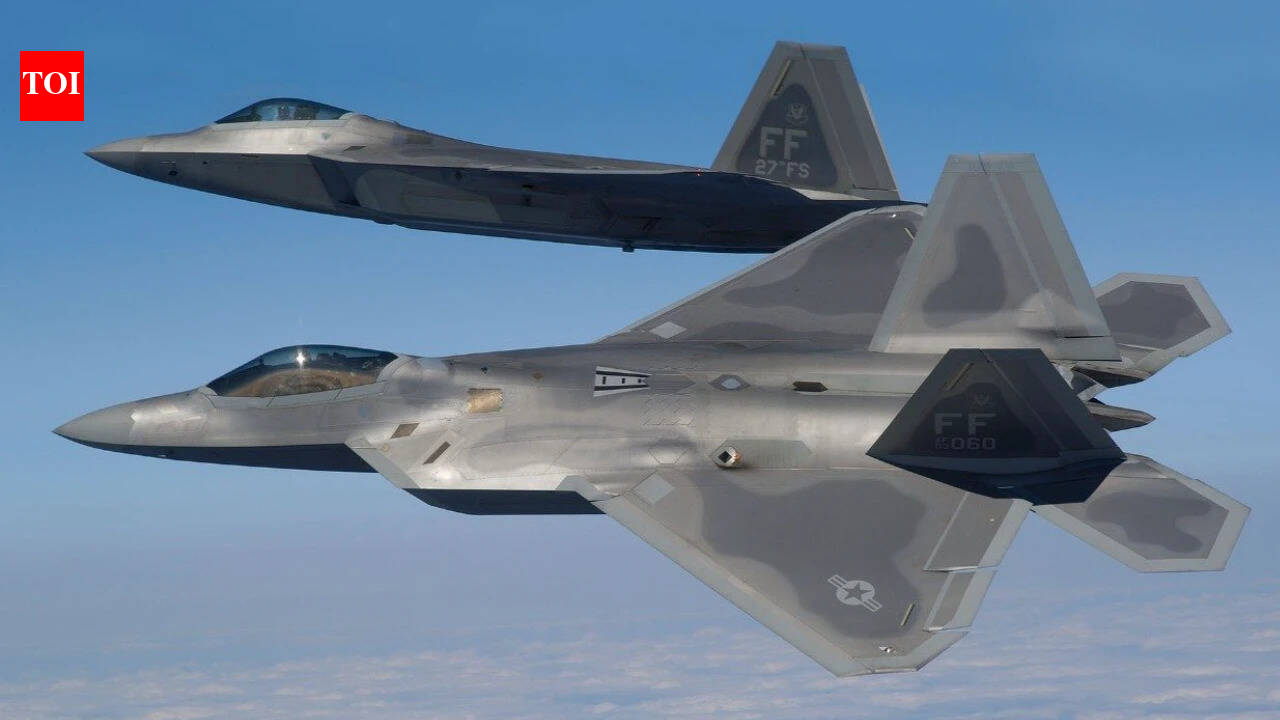
The US Air Force is sourcing obsolete 256 MB CompactFlash memory cards to maintain the F-22 Raptor's legacy mDTC system. This highlights the ongoing challenge of integrating modern operational needs with aging, specialized military hardware.
The Technological Paradox of the F-22 Raptor
The U.S. Air Force recently issued a procurement notice seeking a supply of 256 MB memory cards for the F-22 Raptor’s mission Data Transfer Cartridge (mDTC) system. While the F-22 is heralded as a pinnacle of stealth and aerial dominance, this requirement for 1990s-era CompactFlash and PC Standard 95 Type II formats underscores a persistent challenge in defense logistics: the difficulty of maintaining cutting-edge weapon systems as their underlying hardware becomes obsolete.
The Role of Legacy Systems in Modern Combat
Flash storage within the F-22 acts as the critical bridge between mission planning software and the aircraft's onboard computers. These mDTC units store mission data, threat libraries, and flight parameters. Because the F-22’s architecture was finalized in the late 20th century, its internal interfaces were hard-coded for the storage standards of that era. Upgrading these systems is not merely a matter of 'plug-and-play'; it often requires extensive re-certification of flight-critical software, which is both exorbitantly expensive and time-consuming.
The Challenge of Obsolescence Management
As manufacturers move toward NVMe and high-capacity flash storage, the production of low-capacity, legacy-format cards has dwindled. The Air Force’s procurement effort is a direct response to this supply chain contraction. By explicitly requiring these specific legacy formats, the military is attempting to ensure that the aircraft remains mission-ready without undergoing a massive, multi-year avionics overhaul that could ground the fleet for extended periods.
Supply Chain Integrity and Counterfeit Risks
Beyond simple availability, the procurement notice emphasizes the need for supply chain security. When dealing with discontinued technologies, the risk of encountering counterfeit hardware increases significantly. Malicious actors could potentially insert compromised components into the supply chain, posing severe cybersecurity threats to the aircraft. The Air Force’s focus on verified, reliable product availability is essential to safeguarding the operational integrity of the Raptor fleet.
Future Trends and Strategic Implications
This situation serves as a case study for future military acquisitions. As the Department of Defense continues to develop next-generation platforms like the Next Generation Air Dominance (NGAD) fighter, architects must prioritize 'modular open systems approaches.' By decoupling hardware from software, future platforms can avoid the trap of being tethered to obsolete physical storage media, allowing for faster iterative updates and better long-term sustainment.
Conclusion
The F-22’s reliance on 256 MB memory cards is a stark reminder that even the most advanced stealth fighters are subject to the march of time. While the technology appears archaic, the effort to secure these components is a vital exercise in fleet management, proving that maintaining a global superpower's air superiority is as much about logistics and supply chain management as it is about the combat capabilities of the aircraft itself.