Frostbite: A new CPU architecture discovered, designed and verified by AI
Source Entity
Hacker News
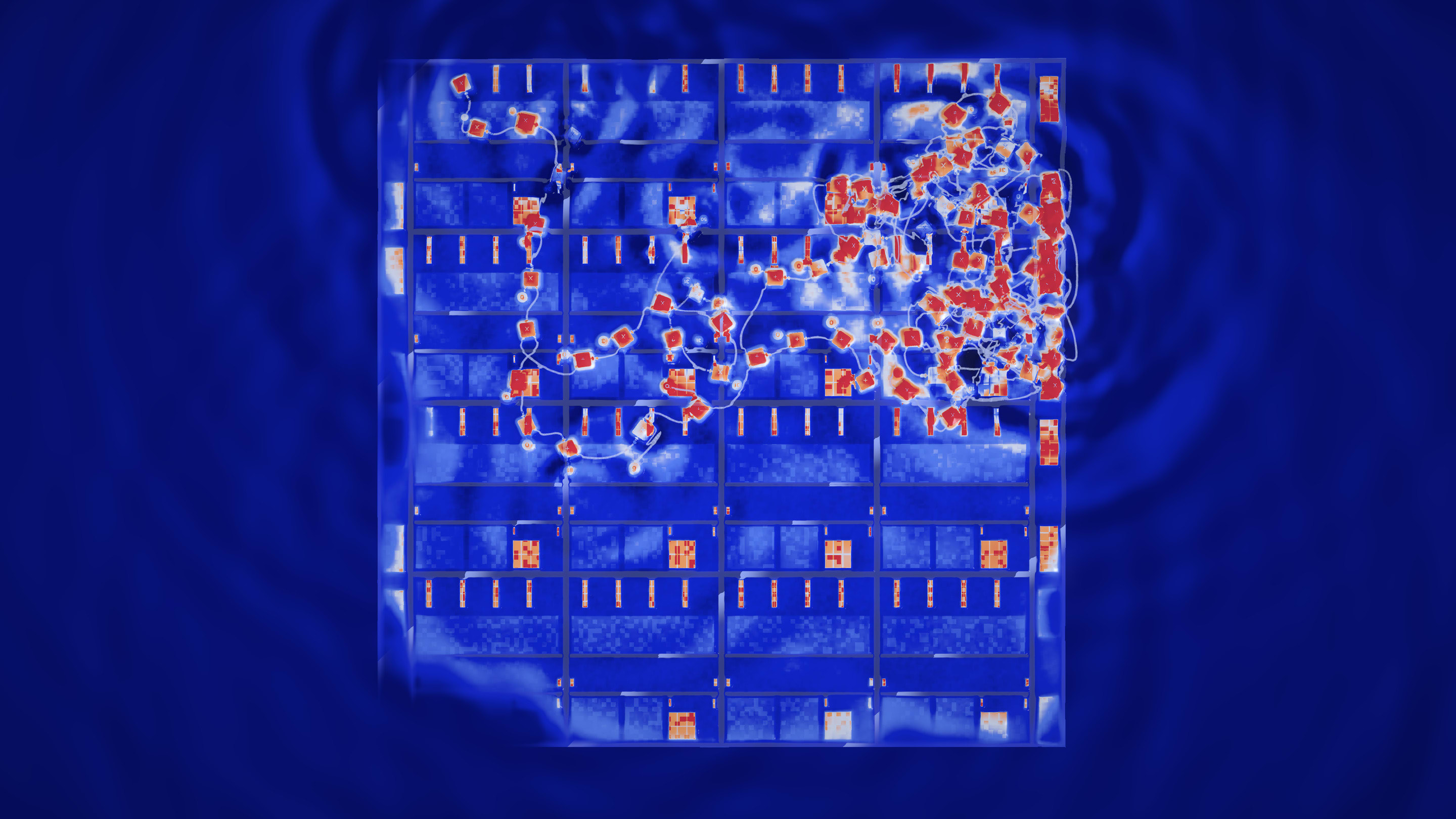
Recent developments in hardware design reveal a shift toward AI-autonomous chip architecture and accessible FPGA programming. These breakthroughs suggest a future where AI handles the complex lifecycle of semiconductor development to overcome performance stagnation.
The Dawn of Autonomous Semiconductor Design
Recent reports indicate a transformative shift in semiconductor engineering, exemplified by the introduction of 'Frostbite,' a new CPU architecture designed, verified, and iterated upon entirely by AI systems. By automating the entire stack—from the instruction set architecture (ISA) and RTL to the final GDS (Graphic Design System) file—researchers have achieved novel hardware primitives that bypass traditional architectural limitations. This marks a departure from the incremental gains that have defined CPU development in recent years, signaling a move toward step-function increases in performance per watt and performance per area.
Breaking the Stagnation of CPU Architecture
For decades, CPU performance has followed predictable scaling patterns, often struggling against the constraints of power efficiency and silicon real estate. The Frostbite architecture demonstrates that AI can navigate these constraints by identifying optimizations that are often non-intuitive to human designers. By iterating across the compiler and microarchitecture simultaneously, AI-driven workflows can uncover efficiencies that were previously hidden in the complexity of modern chip design, offering a potential remedy to the current stagnation in core performance.
Democratizing Hardware Through 'Vibecoding'
Parallel to these high-level architectural shifts, there is a growing trend in the software-hardware interface known as 'vibecoding'—the use of AI coding agents to interact with complex hardware platforms like FPGAs. By lowering the barrier to entry for low-level hardware programming, these agents allow developers to bridge the gap between high-level software logic and hardware execution. This development suggests that the future of chip design will not only be more autonomous but also more accessible to a broader range of developers.
The Future of Specialized Silicon
As AI systems continue to mature, the implications for the hardware industry are profound. We are likely to witness a fundamental shift in how various classes of chips are conceived. From datacenter-grade CPUs to specialized AI accelerators, networking switches, and Network Interface Cards (NICs), the entire semiconductor landscape may soon rely on AI-assisted architectural discovery. This suggests a future where hardware evolves at the speed of software, driven by iterative AI feedback loops.
Broader Implications for Tech Infrastructure
Ultimately, the convergence of autonomous CPU design and accessible FPGA prototyping points toward a modular, AI-optimized future. As these tools become more sophisticated, the time-to-market for bespoke silicon could decrease significantly, enabling faster innovation cycles for AI workloads and edge computing. While human oversight remains critical, the ability of AI to verify its own designs and iterate on complex RTL indicates that the next generation of computing power will be forged through a collaborative, machine-led design process.