
The image of the digital nomad with a laptop on a beach is a tired cliché, and for the professional analyst, it is a distraction. What we are actually witnessing is not a trend in lifestyle travel, but a systemic migration of high-value digital infrastructure to remote island territories. These regions are no longer just destinations for the burnt-out corporate employee; they are becoming strategic nodes in a global network of AI data centers, cross-border workforce systems, and hyper-exclusive luxury enclaves. Why is this happening now? Because the traditional urban hub is hitting a ceiling of saturation, while remote islands offer a blank slate for integrated 'bleisure' economies.
The Infrastructure Play: Beyond the Beach
Look at Thailand's Eastern Economic Corridor (EEC). This isn't about tourism; it is about a calculated industrial pivot. In the first half of 2026, total investment applications in the region reached approximately 1.47 trillion baht across 1,299 projects, representing a 37% increase from the previous year (Source: Nomad Lawyer, 2026). The focus has shifted decisively toward AI data centers and digital infrastructure. By blending luxury hospitality in places like Chonburi and Pattaya with major industrial hubs, the region is creating a recession-resistant economy where corporate travel is anchored by long-term contracts rather than seasonal whims (Source: Nomad Lawyer, 2026).
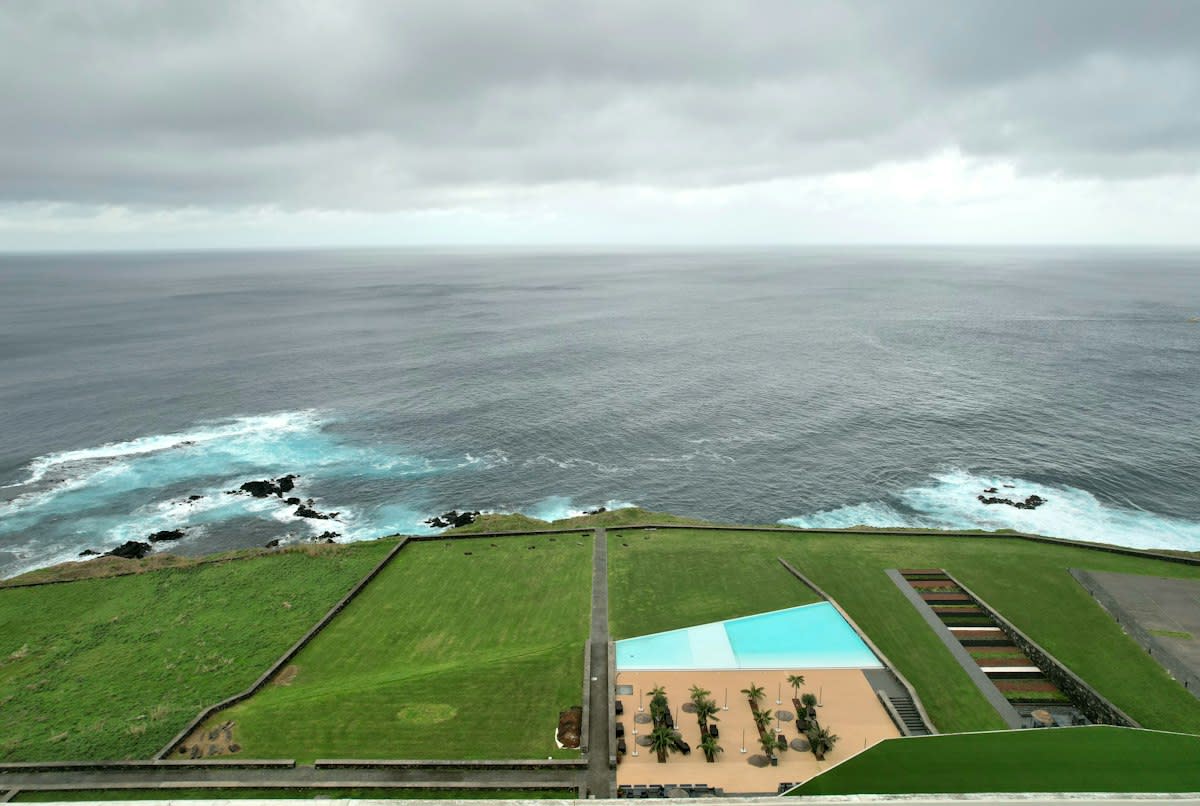
This shift toward 'bleisure'—the seamless integration of business and leisure—is not accidental. In regions like Rayong, the blending of energy and manufacturing sectors with coastal tourism allows for a diversified local economy that avoids the pitfalls of becoming a mere satellite of a capital city (Source: Nomad Lawyer, 2026). When you pair this with the arrival of tech specialists and digital nomads, the local real estate market doesn't just grow; it transforms. The demand for high-spec digital connectivity in a leisure environment creates a premium that only the highest tier of global professionals can afford, effectively pricing out the casual traveler.
The Operating System of Remote Labor
While Thailand builds the hardware, other island nations are refining the software of remote work. The Philippines has long been a hub for global services, but the model is evolving from simple outsourcing to integrated workforce delivery. Abayewa Inc. recently launched a U.S.–Philippines Cross-Border Workforce Delivery Program that treats talent acquisition, onboarding, and day-to-day accountability as a single, unified operating system (Source: EIN Presswire, 2026). This approach moves away from the fragmented 'gig' mentality and toward a managed, professionalized delivery model.
"Cross-border talent creates the most value when access, onboarding and day-to-day accountability are designed as one operating system."— Maurice Kamgaing, Abayewa Inc.
This systemic shift increases the economic value of the region. When a territory is viewed as a 'delivery market' with an experienced professional workforce and an English-language business environment, it attracts corporate investment that is far more stable than tourism (Source: EIN Presswire, 2026). The result is an increase in the cost of living and operating, as the local economy pivots to serve high-earning distributed teams rather than budget backpackers.
Is this sustainable? The tension lies in the friction between the existing local infrastructure and the demands of a global digital elite. In the field, we see a constant battle over bandwidth and power. Professionals often argue that the 'digital hub' label is a marketing veneer covering unstable grids and aging ports. The real work isn't in the marketing; it is in the grueling process of upgrading undersea cables and stabilizing power grids to meet the 99.9% uptime required by AI data centers.
The De-Commoditization of Luxury
Parallel to the tech surge is a psychological shift in how the wealthy consume space. In the Balearic Islands, the industry is moving toward the 'de-commoditization' of luxury (Source: Nomad Lawyer, 2026). High-Net-Worth Individuals (HNWIs) are increasingly rejecting standardized luxury—the gold-plated faucets and branded hotels—in favor of privacy and exclusivity. This demand for intangible, curated experiences allows providers to charge significant premiums, further driving up the cost of entry for these island hubs (Source: Nomad Lawyer, 2026).
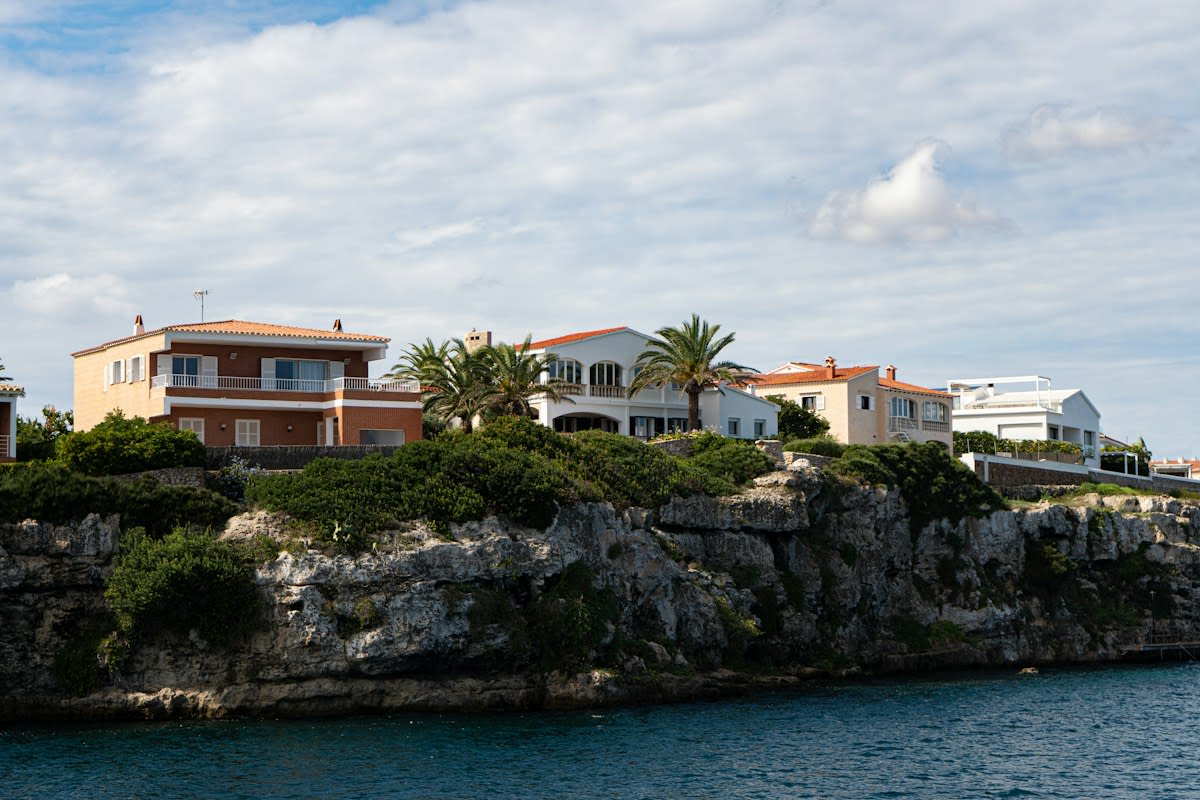
When you combine the EEC's industrial investment with the Balearics' exclusivity model, a pattern emerges. Remote islands are being repurposed as 'safe harbors' for both data and capital. They offer a physical separation from the volatility of mainland urban centers while maintaining high-speed digital links to the global economy. This dual-track growth—industrial tech on one side and hyper-luxury on the other—creates a pincer effect on pricing, making these islands some of the most expensive patches of land on earth.
The Resilience Premium: The Hidden Cost of Stability
However, the cost of becoming a digital hub isn't just about market demand; it is about the price of survival. Climate change is introducing a 'resilience premium' into the cost of doing business. In Puerto Rico, rising sea levels are already impacting infrastructure, particularly in the western region (Source: WJournalpr, 2026). Economists warn that without aggressive corrective measures, disruptions to agriculture, tourism, and infrastructure will lead to significantly higher operating costs (Source: WJournalpr, 2026).
Similarly, the Hawaiian Islands face the constant threat of major weather events, as seen with Hurricane Lowell in September 2026, which brought storm surges and heavy rainfall to Kaua'i County (Source: Hawaii Public Radio, 2026). For a digital hub, a power outage isn't just an inconvenience; it is a systemic failure. The cost of building hardened, storm-proof data centers and resilient energy grids is astronomical, and these costs are passed directly to the tenants and businesses operating within these hubs.
| Driver of Value | Primary Example | Economic Impact | Risk Factor |
|---|---|---|---|
| Industrial Integration | Thailand EEC | 1.47 Trillion Baht Investment | Industrial Over-reliance |
| Workforce Systems | Philippines | Managed OS Delivery | Labor Market Volatility |
| Hyper-Exclusivity | Balearic Islands | De-commoditized Luxury Pricing | Social Displacement |
| Climate Resilience | Puerto Rico/Hawaii | Infrastructure Hardening Costs | Extreme Weather Events |
This creates a strange economic paradox. The very islands that are most attractive for their beauty and isolation are also the most vulnerable to environmental shocks. The 'most expensive' label, therefore, reflects not just the value of the land, but the cost of protecting that land from the sea. We are seeing the emergence of a two-tier system: luxury digital hubs that can afford the resilience premium, and traditional coastal communities that cannot.
Ultimately, the transformation of remote islands into digital hubs is a reflection of a broader global shift. We are moving away from centralized urban dominance toward a distributed model where geography is chosen based on a combination of tax advantages, lifestyle exclusivity, and infrastructure resilience. The islands that win will be those that can balance the 1.47 trillion baht investments in AI with the visceral reality of a rising tide.
Fact-Check & Accuracy Note
Key claims regarding Thailand's EEC investment (1.47 trillion baht) and the Balearic Islands' luxury trends are sourced from Nomad Lawyer (2026). Workforce delivery models are attributed to EIN Presswire (2026). Climate impacts in Puerto Rico and Hawaii are sourced from WJournalpr and Hawaii Public Radio (2026), respectively. The debate over 'resilience premiums' remains an ongoing discussion among global economists and urban planners.