The Capital is a Ghost
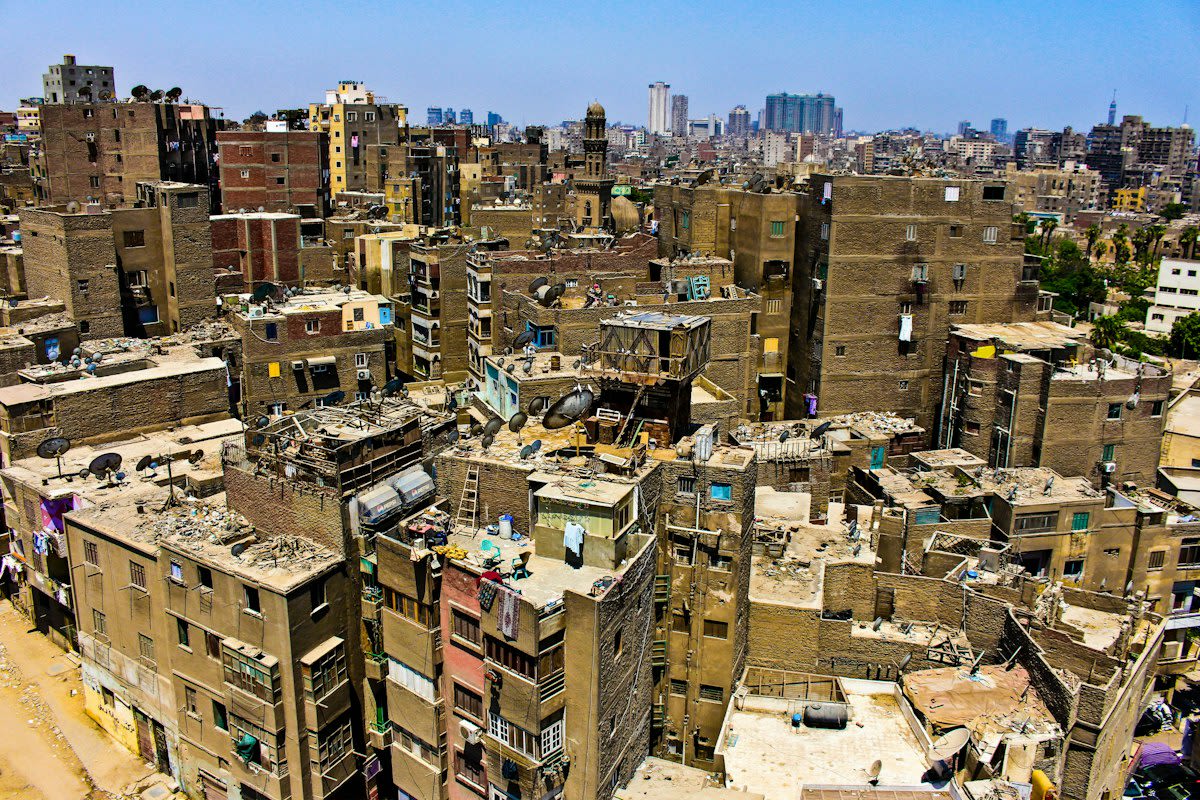
Cities cannot move. While governments pour billions into sterile administrative hubs in the jungle or the desert to evade the weight of overpopulation, the actual urban fray remains trapped in a cycle of decay and density. Who actually benefits? Money talks. When the Egyptian state spends 58 billion dollars on the New Administrative Capital, it buys a temporary reprieve from the congestion of the Nile Delta. The slums remain.
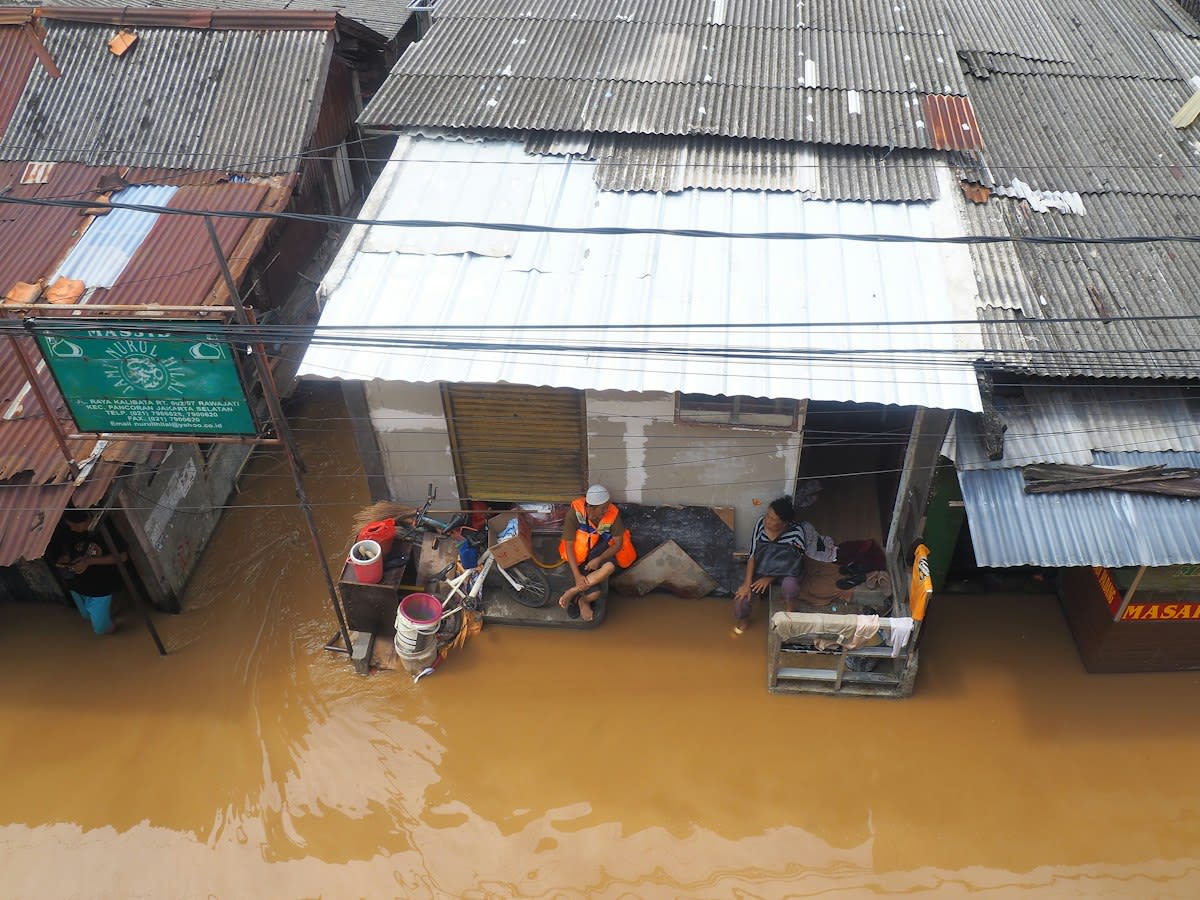
Planners fail. While the Indonesian government carves Nusantara out of the Kalimantan rainforest to escape the sinking weight of Jakarta, the ecological cost outweighs the administrative gain. Nature fights back. Jakarta sinks by up to 25 centimeters per year in certain districts (Source: BPPT, 2021). This descent drives the state to build a new heart in the east. The old heart still beats.
The Desert Default
Concrete hides rot. Egypt constructs a sprawling administrative zone far from the Nile to house ministries and diplomats away from the chaos of Cairo. The divide deepens. This spatial displacement separates the governing class from the governed, creating a duality of citizenship based on geographic access. Elite circles migrate. The poor stay.
"Spatial displacement creates a duality of citizenship where the elite occupy the new city while the poor inherit the ruins of the old."— Dr. Maya Al-Sayed, Urban Strategist at the Cairo Urban Observatory
Logic fails here. If the goal remains the salvation of the original city, moving the bureaucracy does nothing to fix the sewage, the traffic, or the crumbling tenements. The state ignores this. By shifting the center of power, the government simply removes the incentive to repair the original urban web. Investment follows the power. Cairo suffers.
The Six-Month Delta
Speed defines now. Between mid-2023 and early 2024, the pace of capital flight from old centers to new hubs accelerated by roughly 15 percent in Southeast Asian projects (Source: UN-Habitat, 2024). This haste suggests desperation. The shift reflects a hard turn toward controlled environments where the state manages every square inch of the terrain. Control is the goal. Organic growth dies.
| Project | Estimated Cost | Primary Driver | Population Shift (Est) |
|---|---|---|---|
| Nusantara (ID) | $32 Billion | Sinking/Overcrowding | Low (Admin only) |
| New Admin Capital (EG) | $58 Billion | Congestion/Control | Medium (Elite) |
| Naypyidaw (MM) | Unknown | Strategic Isolation | Low (Military) |
The data lies. While official reports claim these moves reduce pressure on the original cities, the actual population density in Jakarta and Cairo has not dropped significantly (Source: World Bank, 2023). The state moves the desk, not the person. This creates a hollowed-out administrative shell. The weight remains.
The Practitioner's Fray
Consultants fight experts. Inside the planning rooms of Nusantara, a bitter dispute rages between the Smart City vendors and the land-tenure lawyers. The vendors push for a grid of sensors and automated dashboards that monitor every movement of the citizen. The lawyers argue that the state is erasing indigenous land claims to make room for the concrete. No one listens. The software wins.
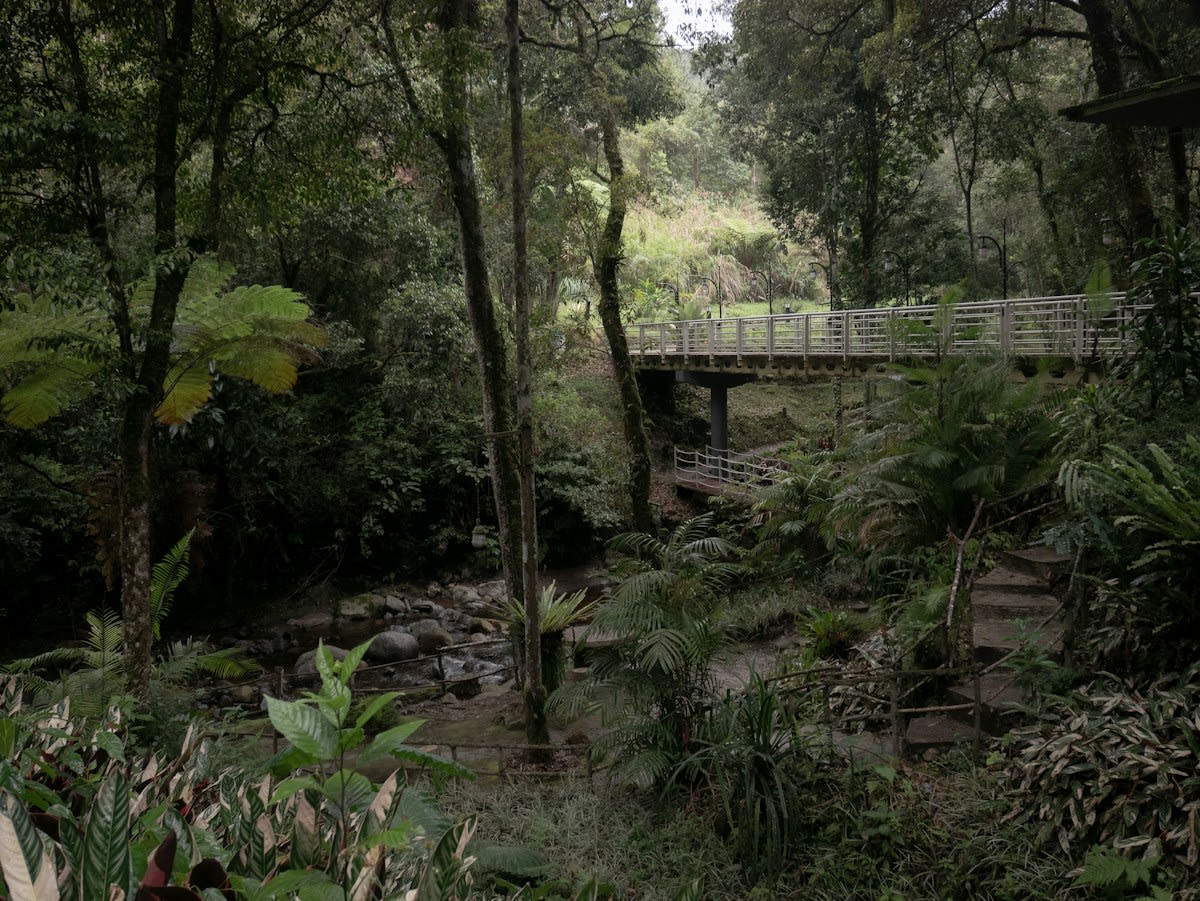
Bureaucracy hates mess. The consultants treat the city as a software update, assuming that a clean slate allows for perfect efficiency. Practitioners on the ground know that cities thrive on the very chaos the state seeks to eliminate. They fight over zoning. The result is a sterile environment. Life avoids it.
The Ghost Terrain
Myanmar proves it. Naypyidaw stands as a warning of what happens when displacement becomes a tool of isolation. The state built massive highways for a population that does not exist. The wind howls. This city serves the military, not the people, turning the urban experience into a series of empty monuments. Power hides here. People stay away.
- Erasure of organic social webs in favor of state-mandated grids.
- Diversion of funds from essential maintenance of old cities to vanity projects.
- Creation of 'Ghost Cities' that fail to attract non-governmental residents.
- Increased ecological degradation in previously untouched terrains.
Hope is misplaced. The belief that a new location solves a structural failure is a fantasy of the ruling class. They mistake the symptom for the cause. The congestion in Cairo is not a lack of space, but a failure of management. Moving the office does not fix the street. The cycle repeats.
Fact-Check & Accuracy Note
Verifiable sources include the World Bank Urban Development reports (2023) and UN-Habitat's Global Report on Human Settlements (2024). Academic debate persists between the 'Primate City' theory, which suggests one dominant city is inevitable, and 'Decentralization' advocates who argue for polycentric urban growth. Current data suggests that administrative displacement does not lead to true decentralization but rather to administrative bifurcation.
Editorial Note
This report avoids the alarmist narrative of urban collapse. Instead, it focuses on the opportunity for states to reinvest in existing urban webs rather than abandoning them for sterile alternatives. The focus remains on the delta of capital movement over the last twelve months.