Why has the FSSAI sanctioned prosecution against Bisleri? | Explained
Source Entity
India Latest News: Top National Headlines Today & Breaking News | The Hindu
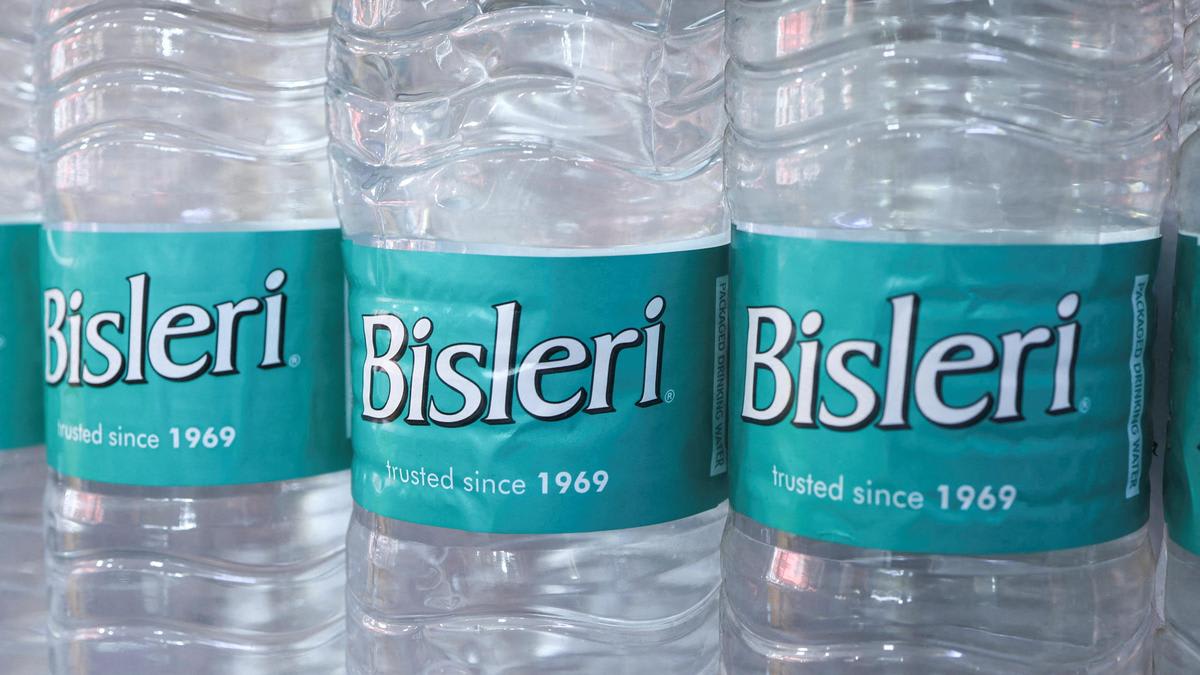
The FSSAI has sanctioned prosecution against Bisleri after a specific water sample failed safety standards under the Food Safety and Standards Act. Bisleri asserts the issue was limited to one batch in Goa, which is no longer in circulation, while experts call for greater transparency in regulatory testing.
Regulatory Action Against Bisleri: An Overview
On November 22, the Food Safety and Standards Authority of India (FSSAI) initiated formal prosecution proceedings against Bisleri International Pvt. Ltd. This regulatory move follows the identification of a water sample that failed to meet the rigorous safety standards mandated by the Food Safety and Standards Act, 2006. By declaring the product "unsafe," the FSSAI has highlighted potential vulnerabilities in the quality control processes of one of India's most prominent packaged water manufacturers.
The Public Health Stakes
The significance of this intervention cannot be overstated given the reliance of the Indian populace on bottled water. As of 2023, Data For India reports that 15% of urban households and 6% of rural households depend on bottled water as their primary source of hydration. For millions of commuters at railway stations, airports, and highway stops, a sealed bottle is perceived as a guarantee of health. When a major player fails these standards, it undermines the trust inherent in the convenience-based water economy.
The Regulatory and Scientific Debate
Following the announcement, industry experts like former FSSAI CEO Pawan Kumar Agarwal have weighed in on the complexity of these findings. Agarwal emphasized the need for a nuanced approach, suggesting that while Bisleri must undertake a deep audit of its internal controls to identify the root cause of the failure, the regulator also bears a responsibility. There is a pressing need for the FSSAI to provide greater clarity on the scientific basis of its standards and to bridge the communication gap between laboratory results and their actual health implications for the consumer.
Operational Status and Scope
In response to the regulatory action, Bisleri International has clarified that the scrutiny is strictly limited to a single batch produced in Goa. The company has confirmed that this specific batch has been pulled from circulation and that its remaining 143 manufacturing plants across the country continue to operate normally. This statement serves as a strategic attempt to contain the reputational damage and reassure stakeholders that the issue is localized rather than systemic.
Broader Implications for the Industry
This incident brings broader regulatory questions into focus, specifically regarding how packaged drinking water—which can be sourced from surface water under Section 2.10.8 of the Food Safety and Standards Regulations—is treated and tested. As the market for bottled water grows, the gap between laboratory testing protocols and the real-world safety of the product remains a point of contention. The industry must now grapple with the challenge of balancing high-speed production with the stringent safety checks required to mitigate chemical risks, such as potential contamination by bromate or polycyclic aromatic hydrocarbons (PAHs).
Conclusion
The prosecution of Bisleri serves as a critical reminder of the importance of the Food Safety and Standards Act in protecting public health. While the company maintains that the incident was isolated, the event underscores the necessity for continuous vigilance in the packaged water sector. Future regulatory trends likely point toward more transparent reporting and perhaps stricter enforcement of internal quality control measures to ensure that the convenience of bottled water does not come at the cost of consumer safety.
Multiple Citing Sources
Verification Required?