Delhi Confidential: PM Modi gifts Nepal PM photo of his late father; Three commemoration panels lapse without meeting
Source Entity
The Indian Express
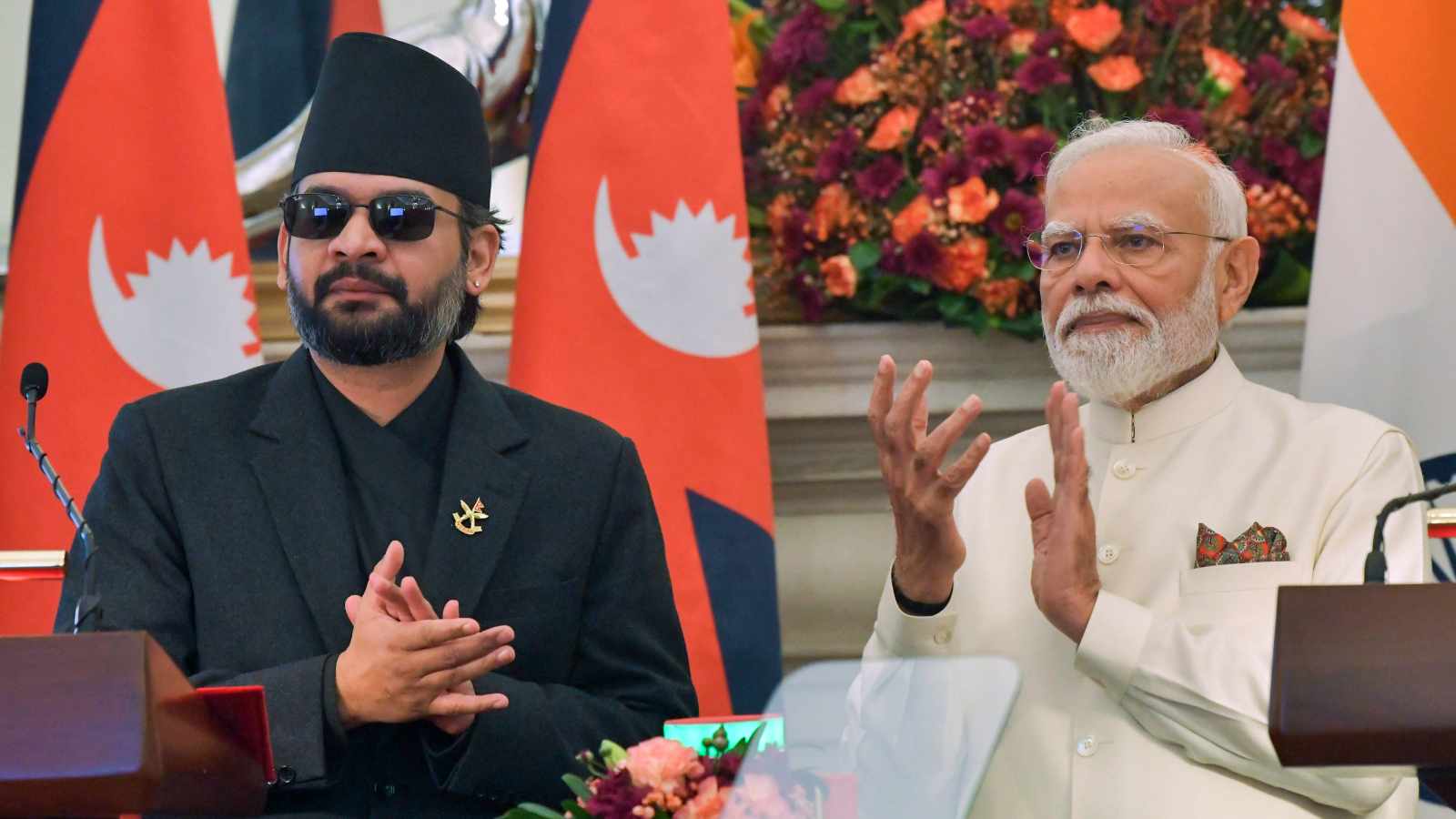
Three high-level government committees tasked with overseeing commemorations for Sardar Patel, Birsa Munda, and Atal Bihari Vajpayee have lapsed without holding a single meeting. Despite comprising over 100 members each, including top ministers, these panels failed to convene before the conclusion of their respective events.
Administrative Stagnation: The Lapse of Commemorative Committees
In a concerning display of administrative inertia, three high-level committees established by the Ministry of Culture have officially lapsed without conducting a single formal meeting. These panels, which were notified in August of the previous year, were tasked with the significant responsibility of supervising and approving commemorative plans for three towering figures in Indian history and politics: Sardar Vallabhbhai Patel, Bhagwan Birsa Munda, and former Prime Minister Atal Bihari Vajpayee.
The Scale of the Oversight
What makes this development particularly striking is the sheer scale and composition of the committees involved. Each of the three panels consisted of over 100 members, a massive roster that included Union Ministers, state Chief Ministers, and other high-ranking officials. The intent behind such broad-based participation was presumably to ensure a coordinated, national-level approach to honoring these national icons. However, the failure to convene suggests a disconnect between the government's stated intent to celebrate these figures and the actual execution of the bureaucratic machinery required to manage those celebrations.
Implications for Governance
While the events themselves—the commemorations—have concluded, the failure of the oversight committees raises critical questions regarding government efficiency and the utility of high-level panels. When a committee is populated with high-profile leaders but fails to meet, it undermines the institutional framework designed to add prestige and structure to national commemorative efforts. This lapse suggests that the planning and execution of these events likely occurred through informal channels or lower-level bureaucratic units, rendering the high-level committee structure largely performative.
Historical and Political Context
Sardar Patel, Bhagwan Birsa Munda, and Atal Bihari Vajpayee represent distinct but overlapping pillars of the current political narrative in India. Sardar Patel is revered for his role in national integration, Birsa Munda is celebrated as a tribal freedom fighter, and Vajpayee remains a foundational figure for the ruling Bharatiya Janata Party. The fact that committees dedicated to such politically sensitive and symbolically important figures were allowed to expire without a single meeting points to a breakdown in the coordination of high-stakes commemorative protocol.
Future Trends and Accountability
Looking forward, this incident serves as a case study in the necessity of streamlining government advisory bodies. The proliferation of committees with vast memberships can often lead to the 'diffusion of responsibility,' where no single entity feels accountable for scheduling or agenda-setting. To avoid such lapses in the future, the government may need to reconsider the size and necessity of these panels. If a committee is too large to meet, it ceases to function as a deliberative body and instead becomes a symbolic list of names, which risks public perception regarding the seriousness of government-led cultural initiatives.