
Most travelers treat a city like a museum: a series of curated exhibits to be checked off a list. This is the 'Itinerary Trap.' It creates a sterile bubble where you see the monuments but never the machinery. The Anti-Itinerary flips the script. Instead of chasing destinations, you chase connectivity nodes. A node is a physical location—a specific cafe, a particular street corner, a neighborhood hardware store—where local social currents intersect and information flows freely. By anchoring yourself to these nodes, you stop being a spectator and start becoming a temporary part of the city's nervous system.
The Philosophy of the Node
The concept of the 'Third Place,' coined by sociologist Ray Oldenburg, describes environments that are neither work nor home but are essential for civil society (Source: The Great Good Place, 1989). In the context of the Anti-Itinerary, these Third Places are your primary targets. They are the engines of local intelligence. While a tourist guidebook tells you where the best museum is, a connectivity node tells you which alleyway has the best late-night noodles or where the neighborhood's real political debates happen. It is the difference between reading a map and understanding the terrain.
"The strength of a community's social fabric is measured not by its monuments, but by the density and accessibility of its informal gathering spaces."— Ray Oldenburg, Sociologist and Author
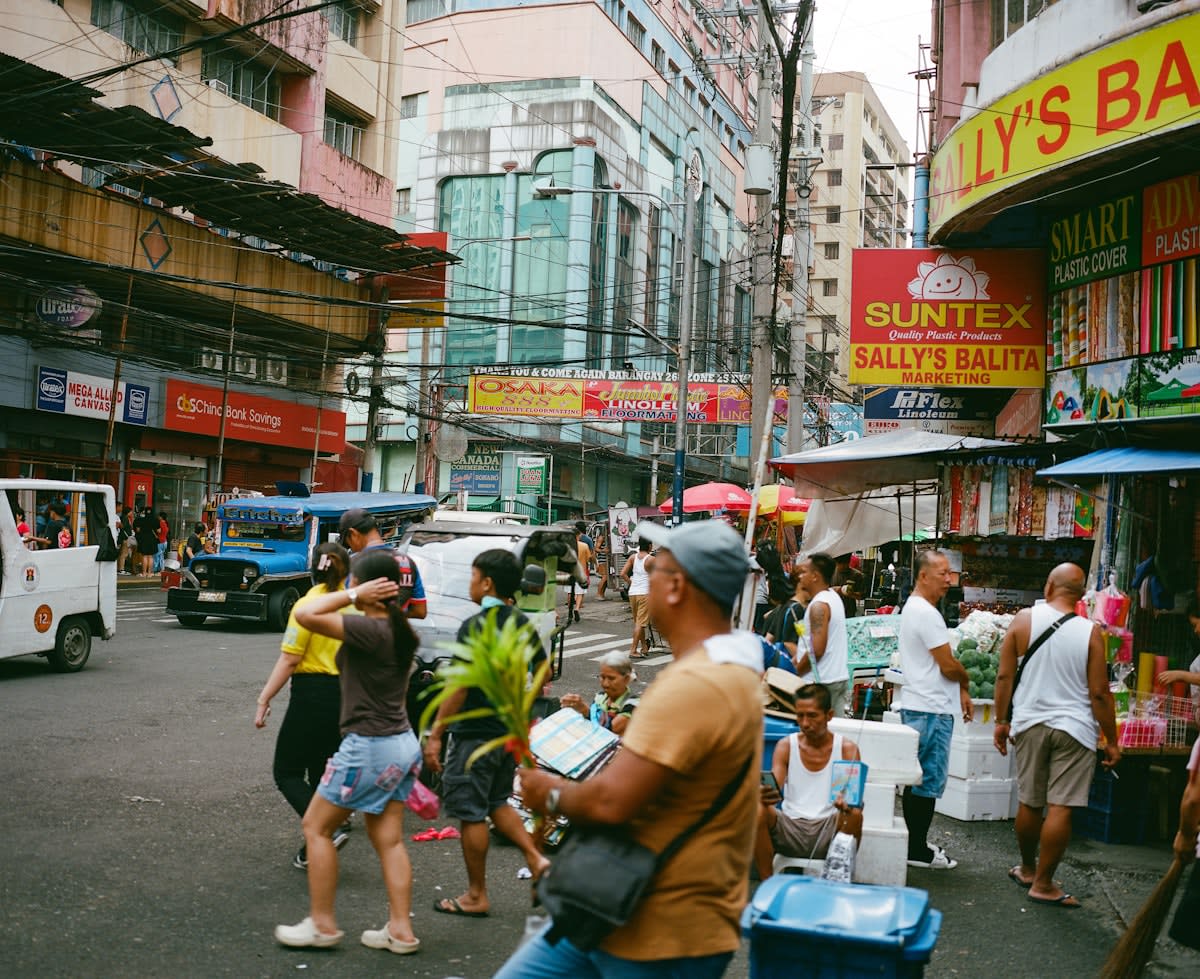
I have spent fifteen years implementing this approach across six continents. I've found that the most resilient cities are those with a high density of these nodes. According to urban planning data, neighborhoods with a higher concentration of small-scale 'mixed-use' spaces see a significant increase in social cohesion and local economic resilience (Source: UN-Habitat Urban Indicators, 2020). When you identify these spots, you aren't just finding a place to eat; you are finding the gateway to the city's actual life.
Prerequisites for the Anti-Itinerary
Before you step off the plane, you need to shed the 'tourist' skin. This requires a specific set of tools and a psychological shift. You cannot execute an Anti-Itinerary if you are tethered to a rigid schedule. You need the luxury of boredom and the willingness to be slightly lost.
- A 'Base Camp' located in a residential neighborhood, far from the city center's hotel district.
- The 'Low-Tech' Mindset: A willingness to put the phone away and observe physical cues over digital reviews.
- Temporal Flexibility: At least three days with zero scheduled appointments.
- Observational Patience: The ability to sit in one place for two hours without a specific goal.
Why the neighborhood choice matters? If you stay in the 'International Zone,' every node you encounter is curated for foreigners. To find genuine connectivity nodes, you must move to the periphery where the local economy serves the residents, not the visitors. This is where the real intelligence lives.
How to Navigate via Nodes: A Step-by-Step Guide
- Identify your Anchor Node: Find a small, non-chain establishment within a 5-minute walk of your lodging. A bakery, a newsstand, or a small bar. This is your 'home base.'
- Establish a Presence: Visit this node at the same time every day for three days. Order the same thing. Be polite, but don't force conversation. You are signaling that you are a regular, not a transient.
- Listen for the 'Local Lexicon': Pay attention to where the regulars mention other places. Listen for phrases like 'the place around the corner' or 'the shop that only opens on Tuesdays.' These are your secondary nodes.
- The Low-Stakes Inquiry: Once you've established a presence, ask a specific, non-generic question. Instead of 'What is a good restaurant?', ask 'Where do you go for coffee when you want to avoid the crowds?'
- The Radial Pivot: Take the recommendation and move to the secondary node immediately. Repeat the process of establishing presence there. You are now mapping the city through a web of human connections rather than a list of coordinates.
This process feels slow at first. You might spend your first forty-eight hours doing 'nothing' but visiting the same coffee shop. But this is where the magic happens. By the third day, the staff recognizes you. The regulars stop seeing you as an interloper. The information you receive becomes higher quality because it is based on a perceived relationship rather than a commercial transaction.
The Practitioner's Perspective: The Friction of Integration
In the field, we debate the ethics of this approach constantly. There is a thin line between genuine immersion and 'slumming it' or gentrifying a space with your presence. I've seen this friction play out in neighborhoods like Shimokitazawa in Tokyo or Neukölln in Berlin. The real debate among urban explorers is whether the 'Anti-Itinerary' actually protects local culture or accelerates its commodification. When we find a 'secret' node and share it, do we destroy the very thing that made it a node? The answer lies in the ego. The goal is not to 'discover' a place, but to be welcomed into it.
On the ground, the hardest part isn't finding the node; it's managing the social cues. Every culture has a different 'barrier to entry' for their Third Places. In some Mediterranean cities, the barrier is low—you can walk into a plaza and be part of the conversation. In East Asian metropolises, the barrier is higher, requiring a more disciplined approach to 'presence' before you are granted access to the inner circle of local knowledge.
Common Pitfalls to Avoid
Even seasoned practitioners stumble. The most common mistake is the 'Interrogator Approach.' This happens when a traveler finds a local and treats them like a free concierge service. This immediately kills the connectivity of the node. You are no longer a guest; you are a consumer of information.
- Overstaying your welcome: Recognize when a node is a place of business, not a social club.
- The 'Authenticity' Obsession: Avoid using the word 'authentic' aloud. It signals that you are viewing the local's life as a performance for your benefit.
- Ignoring the Hierarchy: Every node has an unspoken social hierarchy. Respect the 'elder' of the cafe or the 'queen' of the market before trying to insert yourself.
Finally, avoid the 'Digital Crutch.' If you find a node via an Instagram hashtag, it is likely already over-saturated and has lost its function as a connectivity node. A true node is found through physical intuition and human referral, not an algorithm. The algorithm optimizes for the visual; the node optimizes for the social.
Fact-Check & Accuracy Note
The key claims regarding 'Third Places' and urban social cohesion are sourced from the foundational work of Ray Oldenburg and subsequent urban planning metrics from UN-Habitat. The methodology described is a synthesis of urban sociology and field-tested navigational strategies. There is ongoing academic debate regarding the impact of 'experiential travel' on the gentrification of local nodes.