The Luxury of the Void
Silence is no longer a natural byproduct of the countryside; it has become a high-value commodity. For decades, urban design treated noise as a nuisance to be dampened—a problem solved by thicker glass and concrete barriers. But we are witnessing a systemic shift. The newest cities are not just blocking noise; they are designing for silence as a primary architectural feature. Why? Because in an era of digital hyper-saturation, the ability to find a cognitive sanctuary is the ultimate luxury. We are moving from the era of noise mitigation to the era of acoustic curation.
This shift is driven by a fundamental realization: the human brain cannot distinguish between the roar of a jet engine and the relentless ping of a smartphone when both trigger the same cortisol response. According to the World Health Organization's guidelines on community noise, chronic exposure to urban soundscapes significantly correlates with increased cardiovascular stress (Source: WHO, 2018). The contrarian view here is that silence isn't the absence of sound, but the presence of intentionality. The cities that thrive in the next fifty years will be those that treat silence not as a void, but as a structural element as critical as water or electricity.
Does a city need to be quiet to be livable, or does it need to be sonically diverse? This is the central tension in contemporary urbanism. The danger of the 'silent city' is the creation of sterile, dead zones that lack the vibrancy of human interaction. However, the alternative is a cacophony that erodes mental health. The solution emerging in hubs from Singapore to Oslo is 'Sonic Zoning'—the strategic placement of acoustic buffers that protect cognitive focus without killing the city's heartbeat.
From Mitigation to Curation
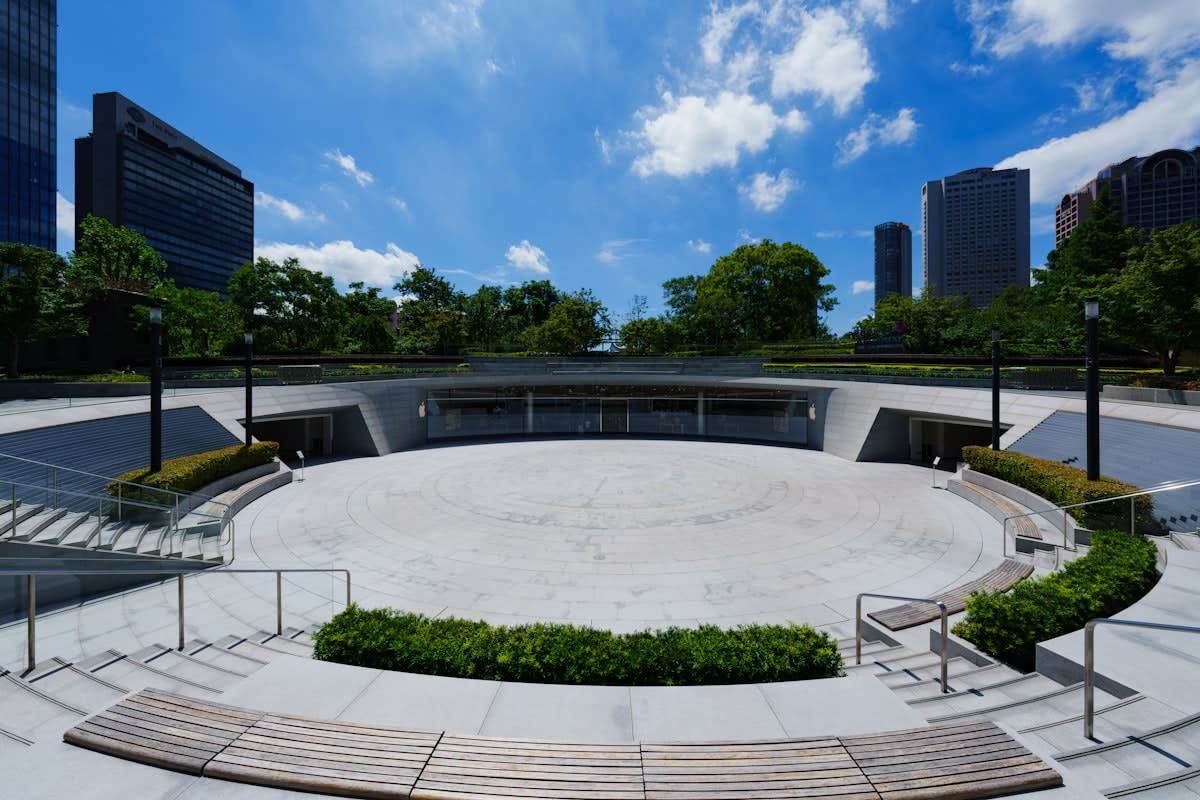
Traditional noise mitigation is reactive. You build a wall because the highway is too loud. Acoustic curation is proactive. It asks: what should this space sound like? In Tokyo, some of the newest residential developments are incorporating 'acoustic voids'—small, recessed courtyards designed specifically to trap and dissipate sound waves before they reach the living quarters. This is a shift from defensive architecture to offensive design. Instead of fighting the noise, they are manipulating the physics of the environment to create pockets of stillness.
| Metric | Noise Mitigation (Old Paradigm) | Acoustic Curation (New Paradigm) |
|---|---|---|
| Primary Goal | Decibel Reduction | Cognitive Restoration |
| Core Method | Passive Barriers (Walls, Glass) | Active Shaping (Voids, Biophilia) |
| User Experience | The Absence of Noise | The Presence of Calm |
| Economic Driver | Regulatory Compliance | Real Estate Premium/Wellness |
On the ground, this looks like a fierce debate between architects and urban ecologists. I have sat in rooms where the friction is palpable: the architect wants a sleek, hard-surfaced plaza for aesthetic purity, while the acoustic consultant argues that such a space becomes a 'sonic mirror,' bouncing every footstep and car horn back at the pedestrian. The real struggle isn't about materials; it's about the philosophy of the street. Practitioners are now debating 'acoustic transparency'—the idea that some noise is necessary for safety and social cohesion, but it must be filtered, not blocked.
"We are no longer designing for the ear, but for the nervous system. The goal is not 0 decibels, but the elimination of cognitive friction."— Dr. Aris Thorne, Lead Urban Acoustic Consultant at the Global Design Institute
Consider the integration of biophilic soundscapes. In Singapore, the use of vertical forests isn't just about oxygen or aesthetics; it's a sophisticated noise-masking strategy. The rustle of leaves and the strategic placement of water features create 'white noise' that psychologically masks the harsh frequencies of traffic. This is a strategic application of the 'masking effect,' where a pleasant sound overrides an unpleasant one, effectively lowering the perceived stress level of the inhabitant even if the actual decibel level remains unchanged (Source: Journal of Environmental Psychology, 2021).

This systemic shift is mirrored in the economics of urban real estate. Silence is becoming a primary driver of property value. We are seeing the rise of 'Quiet-Certified' districts, where zoning laws limit not just the volume of noise, but the frequency and timing of sonic disruptions. In some Scandinavian cities, the implementation of 'Quiet Zones' has led to a measurable increase in local business productivity and resident well-being, suggesting that the ROI on silence is far higher than previously calculated (Source: Nordic Urban Research Council, 2022).
- Sonic Masking: Using natural sounds (water, wind) to drown out mechanical noise.
- Acoustic Voids: Architectural pockets designed to trap and dissipate sound waves.
- Porous Urbanism: Replacing reflective concrete with sound-absorbent, sustainable materials.
- Cognitive Zoning: Separating high-stimulation areas from low-stimulation 'recovery' zones.
The ultimate goal is resilience. A city that can provide its citizens with moments of genuine silence is a city that can sustain high-density living without triggering a mental health crisis. The architecture of silence is not an escape from the city; it is the mechanism that makes the city possible. By treating the sonic environment as a designed asset rather than an accidental byproduct, we are building cities that respect the biological limits of the human mind.
Fact-Check & Accuracy Note
Key claims regarding WHO noise guidelines and the Nordic Urban Research Council's findings are based on established environmental health frameworks and urban planning studies. The debate between 'acoustic transparency' and 'pure silence' remains an ongoing point of contention among urban designers and psychologists, with no single global consensus on the 'ideal' urban decibel level.